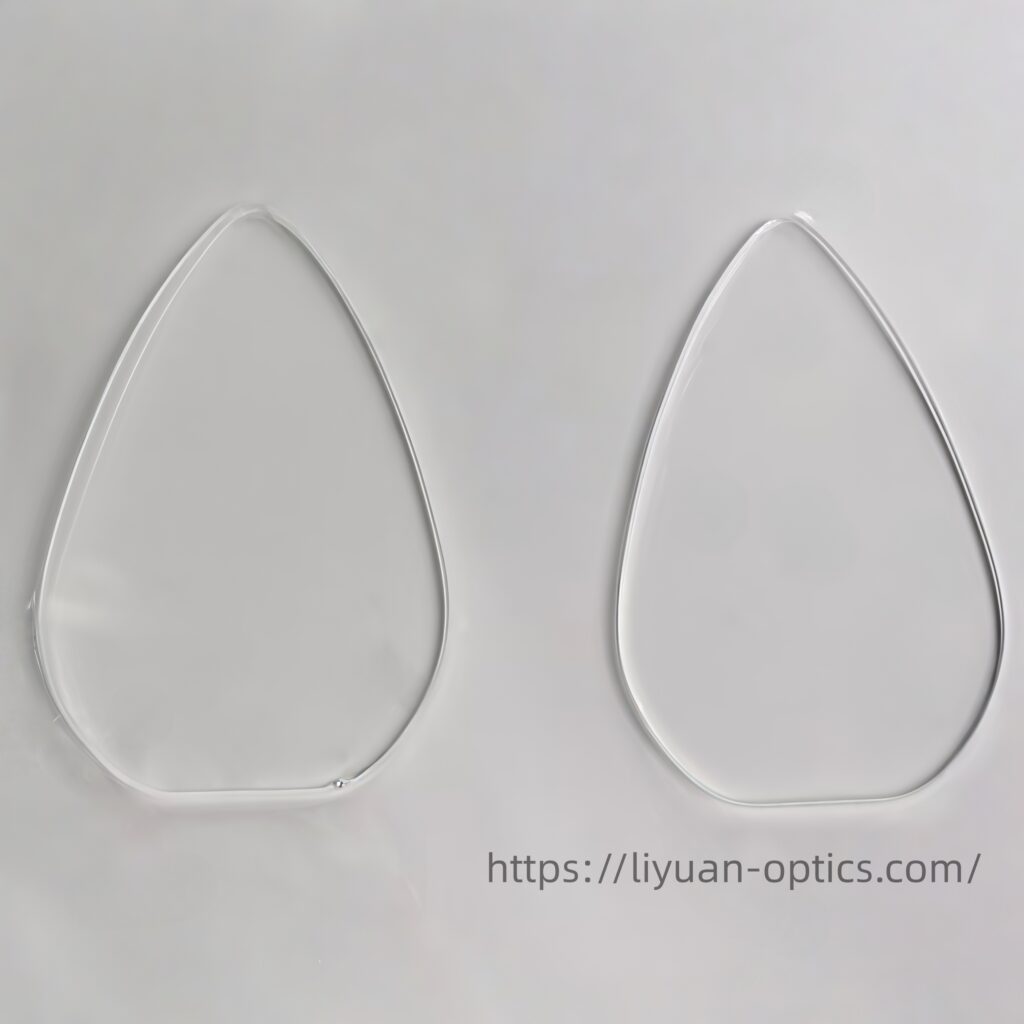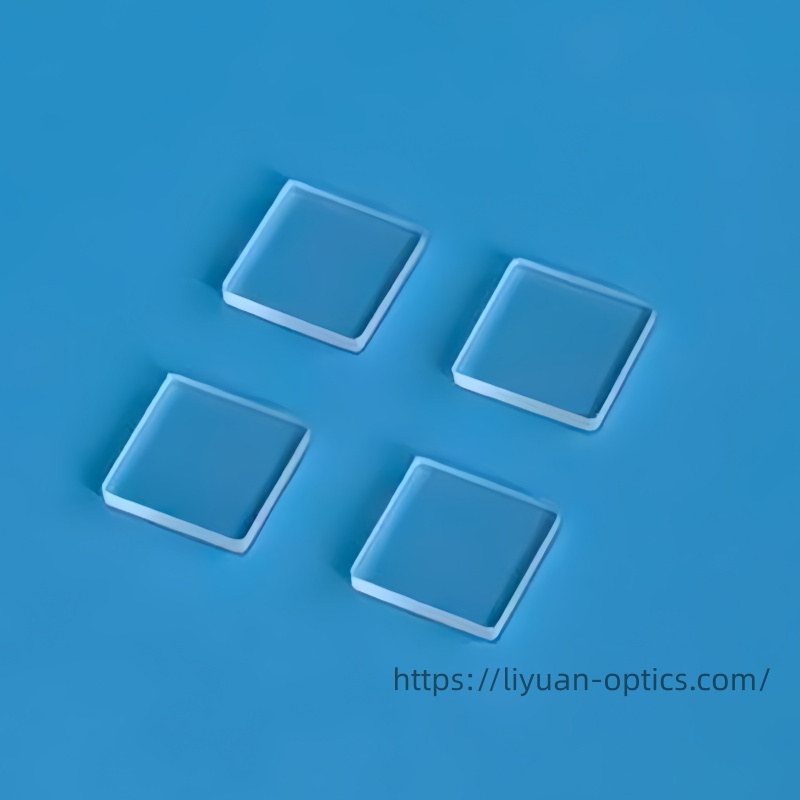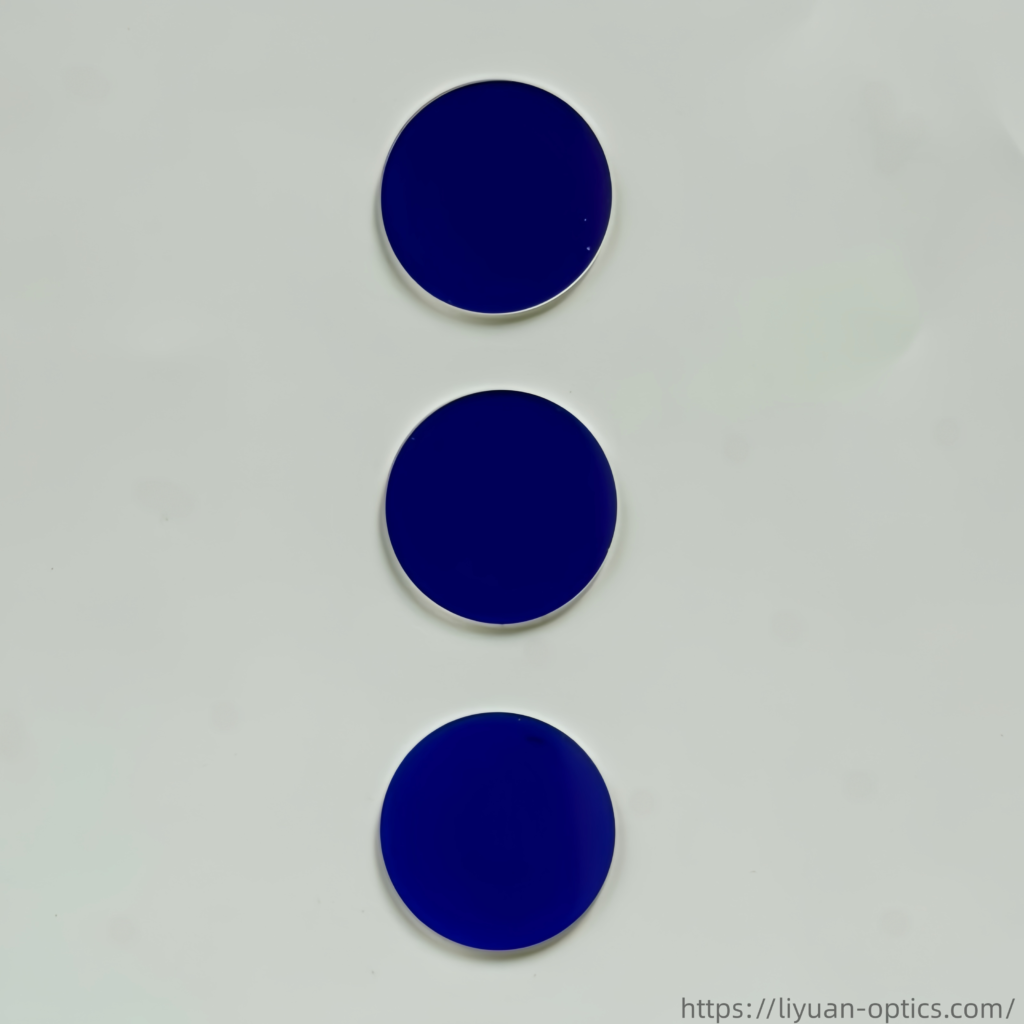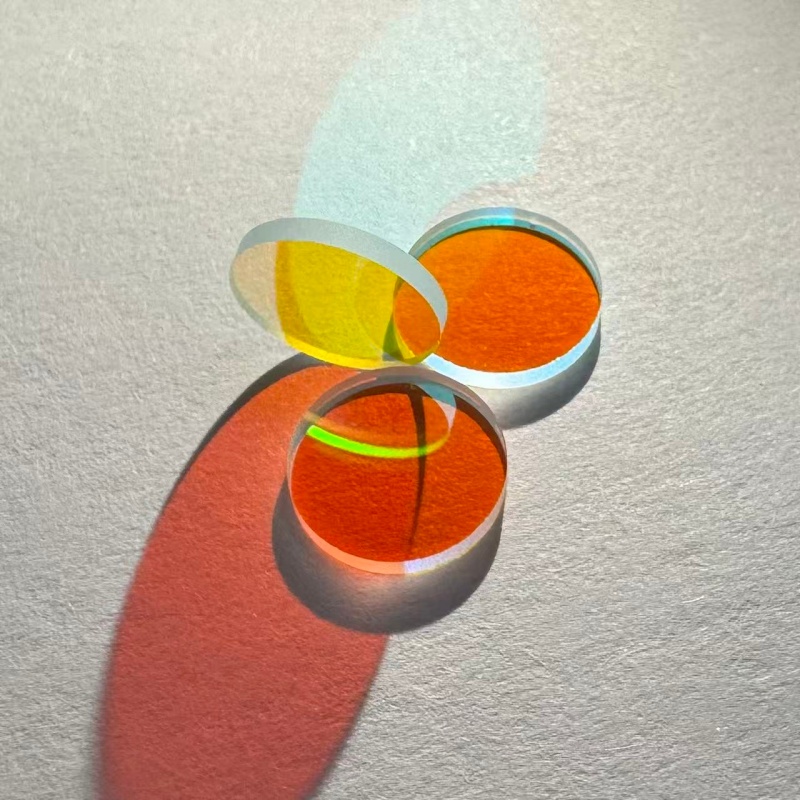

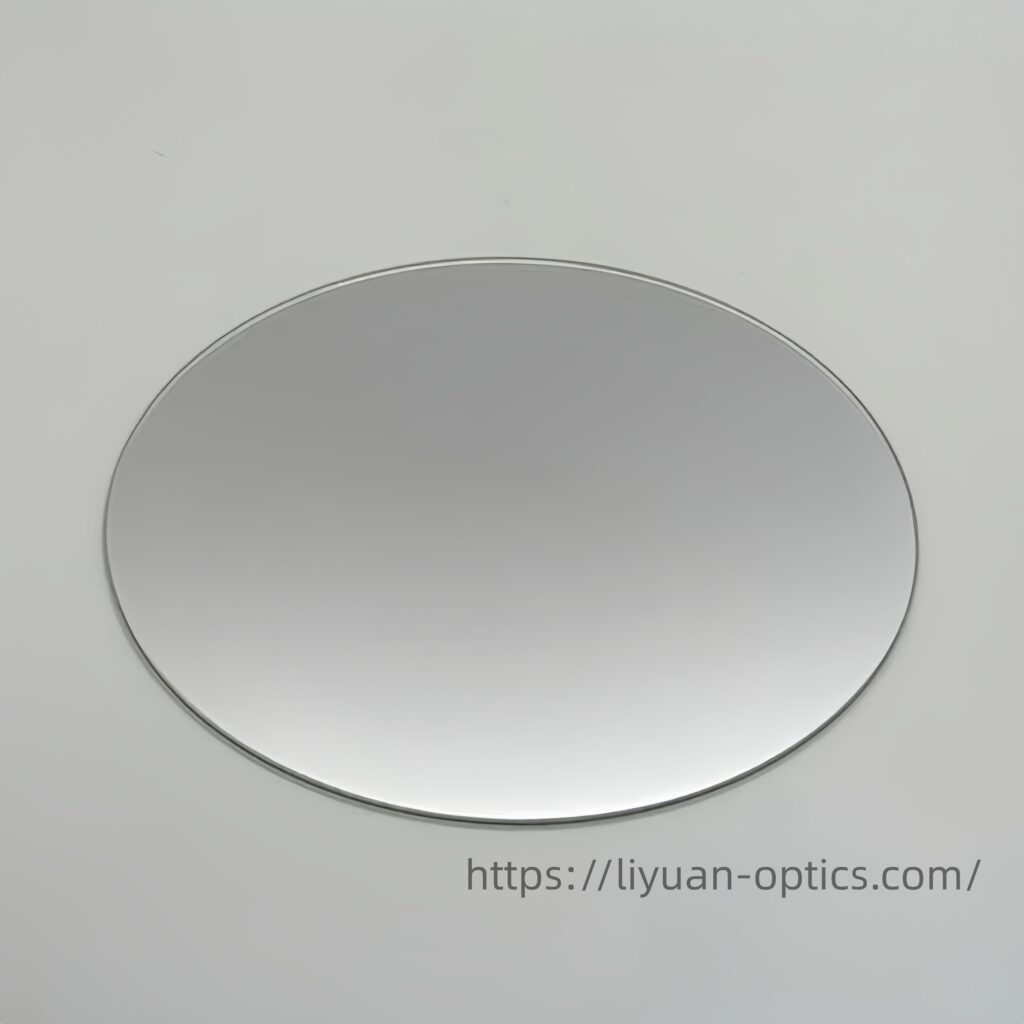
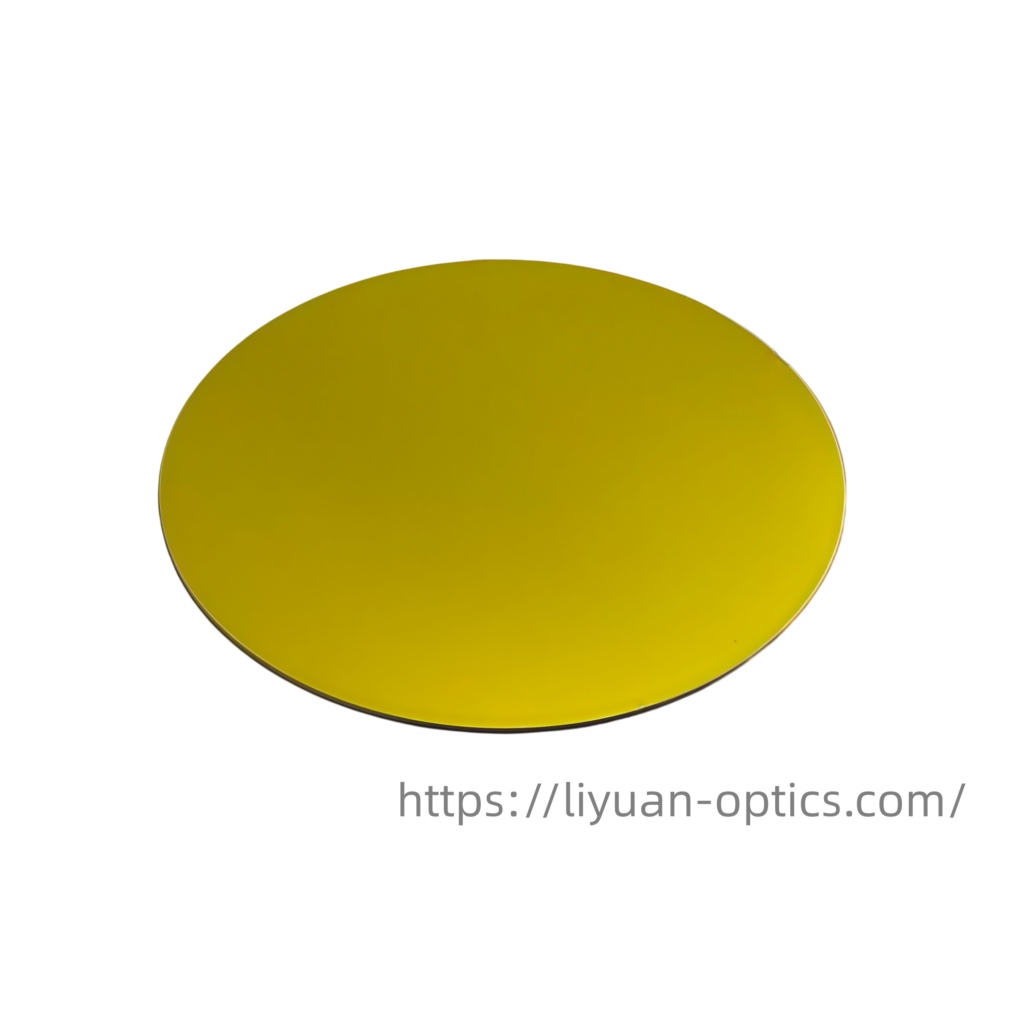
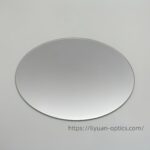
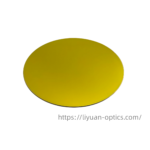
Product Descriptions:
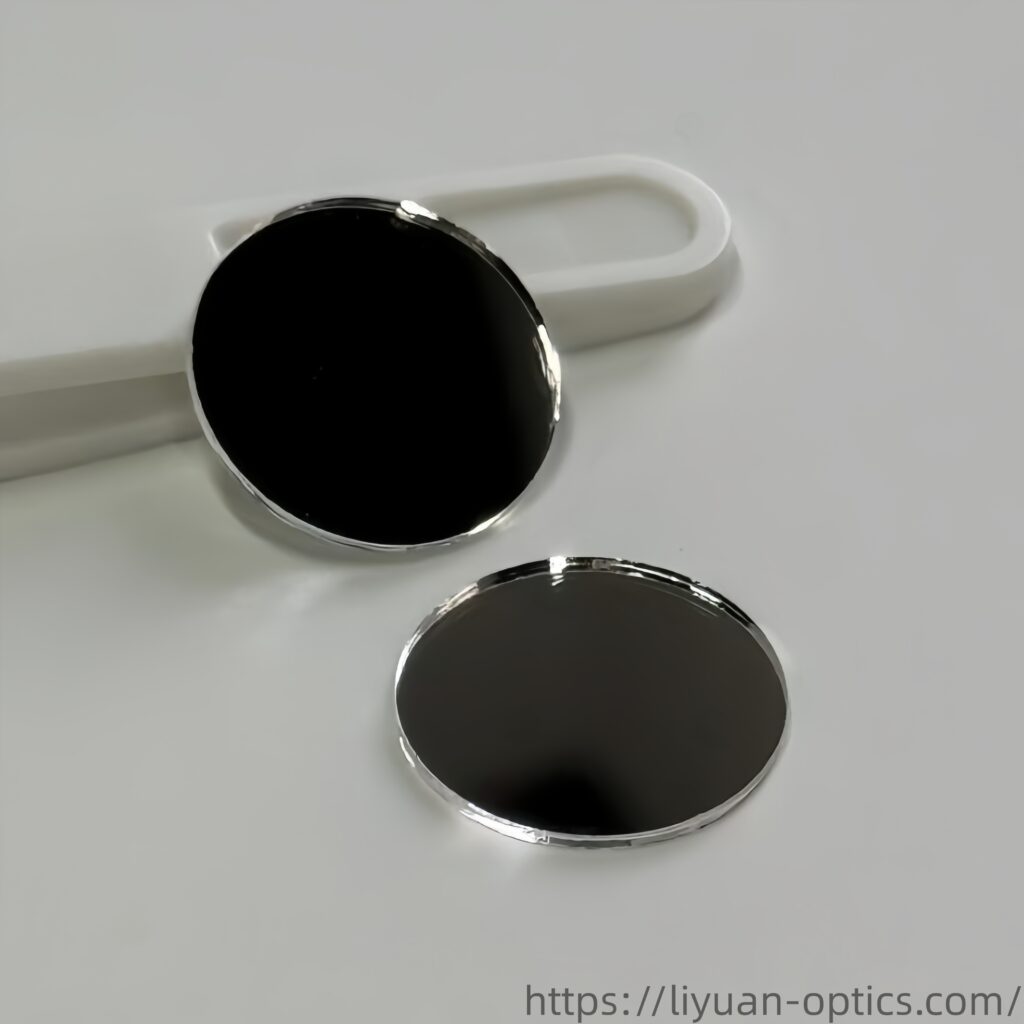
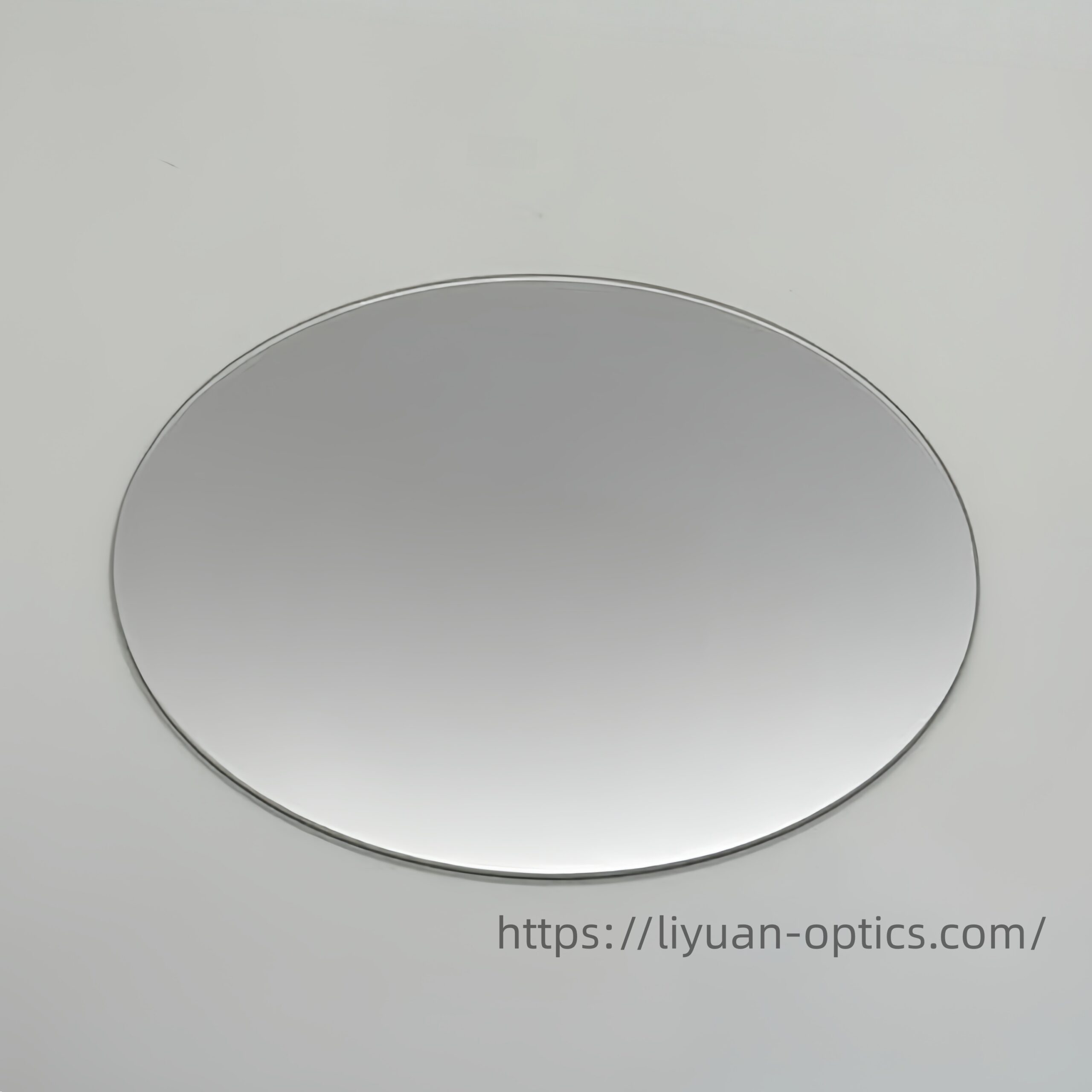
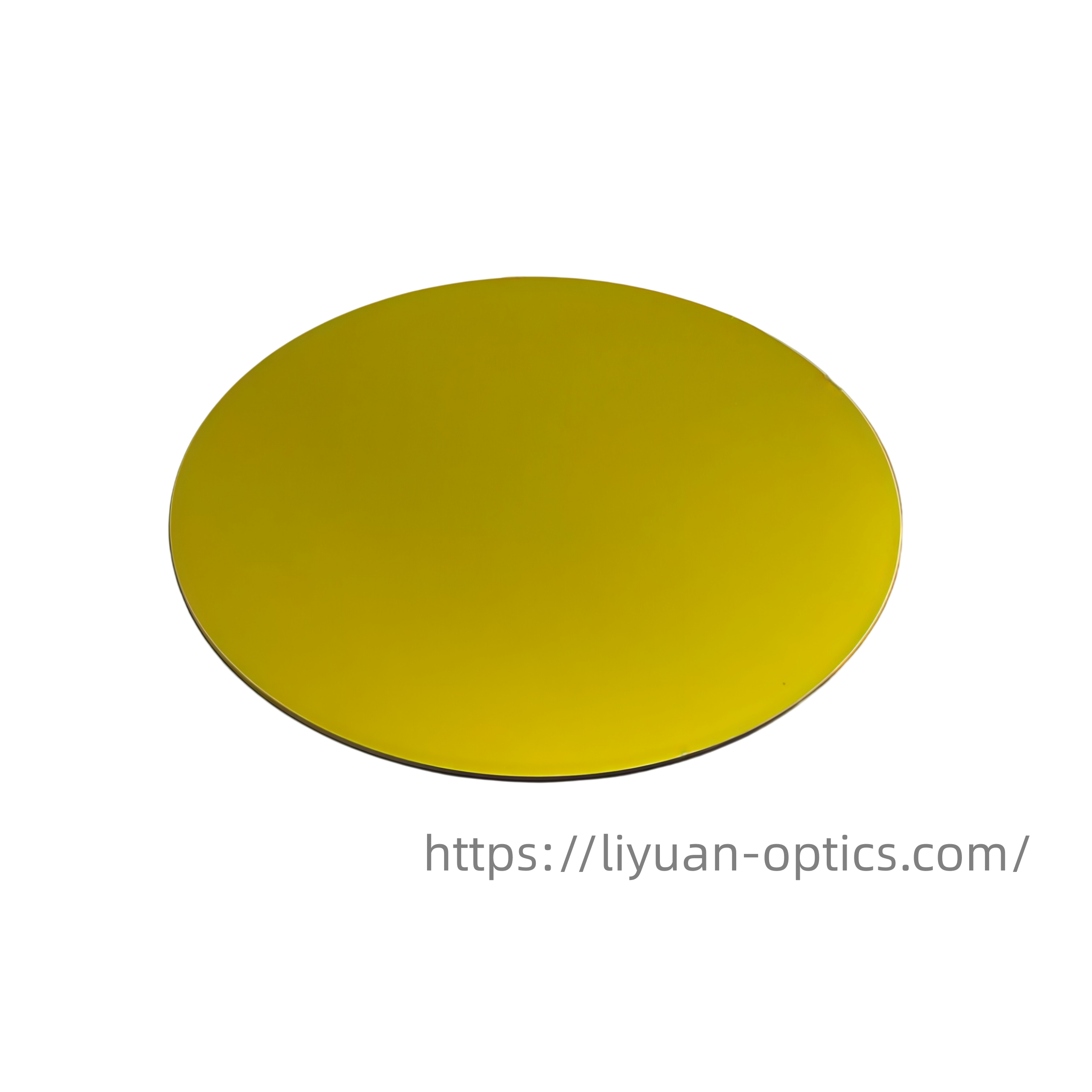
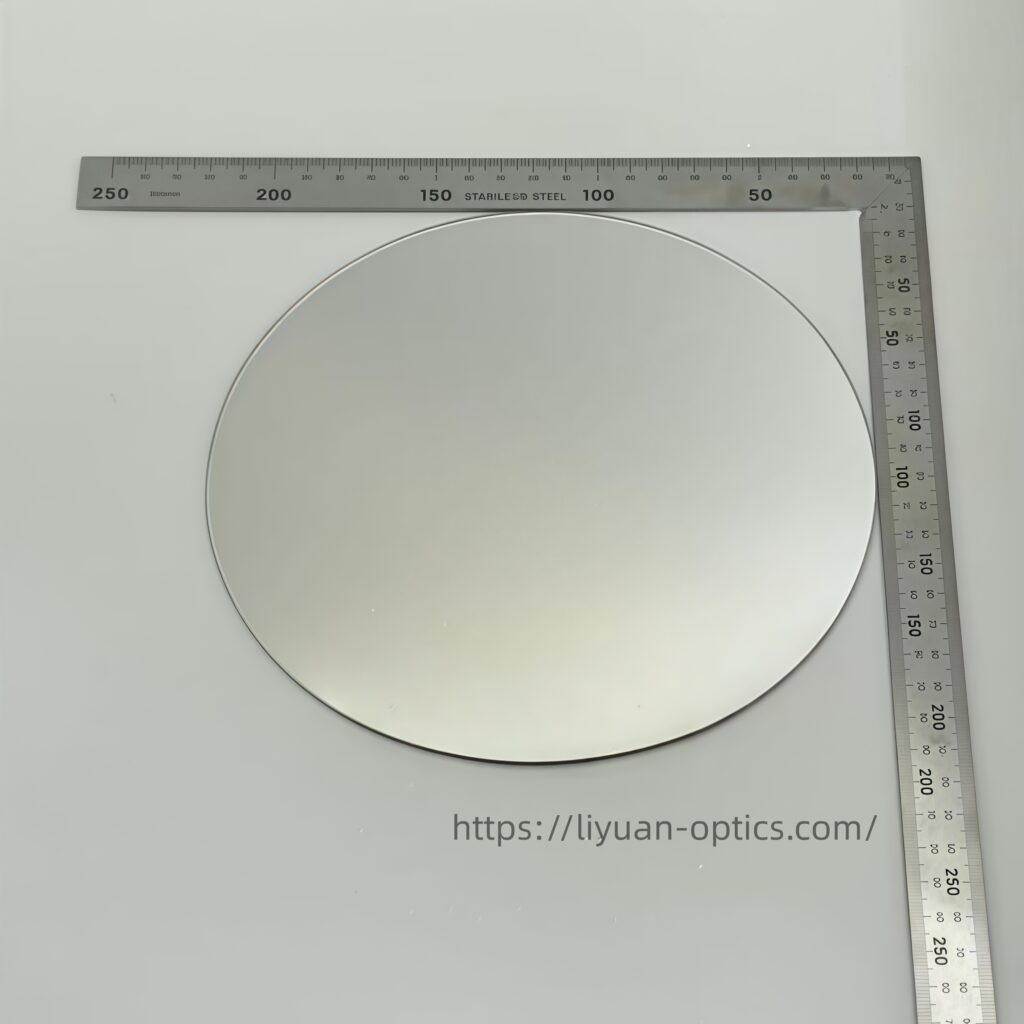
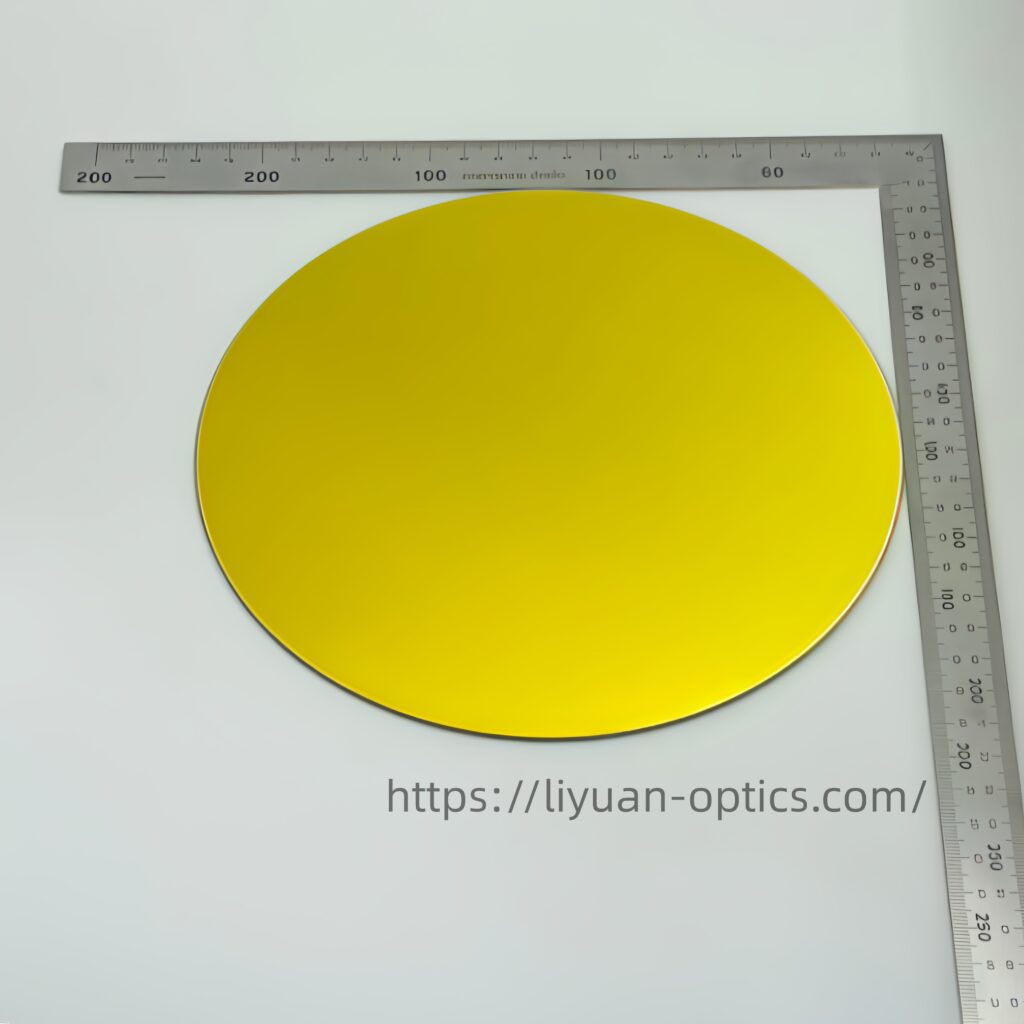
| Product Name: | NIR transmitting Long-pass filter for Skin beauty instrument |
| Type: | Interference filters |
| Cut-off Wavelength (nm): | 700nm, 720nm, 755nm, 760nm, 780nm or customized |
| Average Transmittance (%): | 90% |
| Optical Density: | OD2 |
| Surface Quality: | 60/40 scratch-dig |
| Color: | Silver |
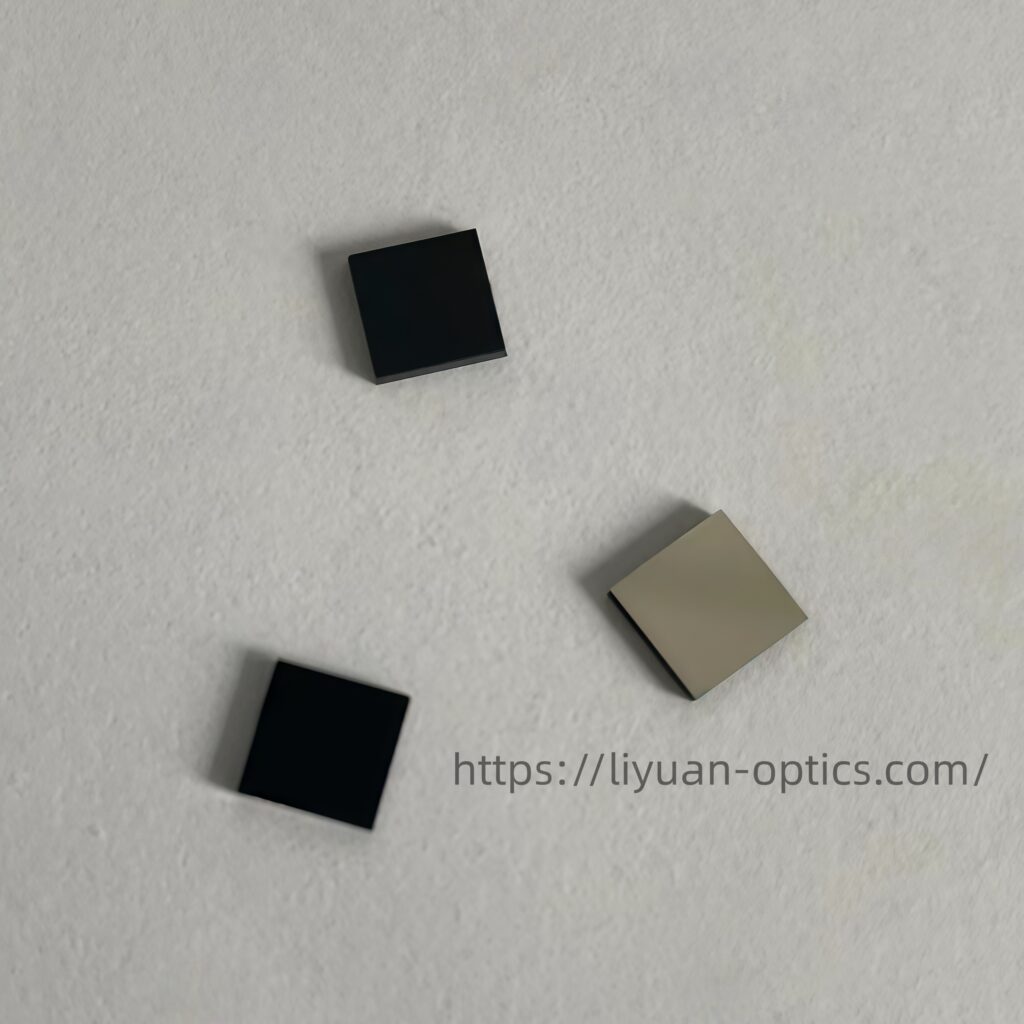
| Shape: | Round or customized |
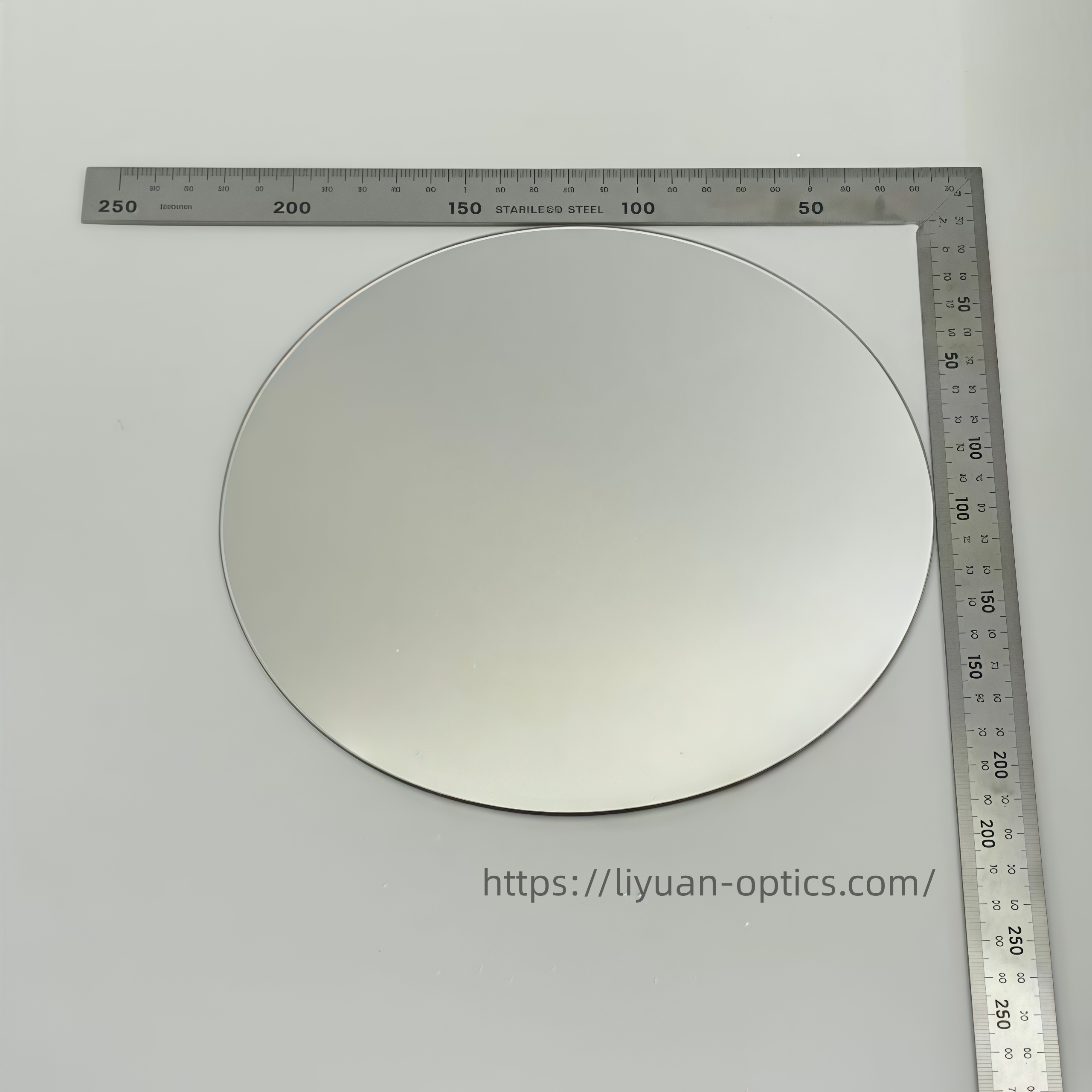
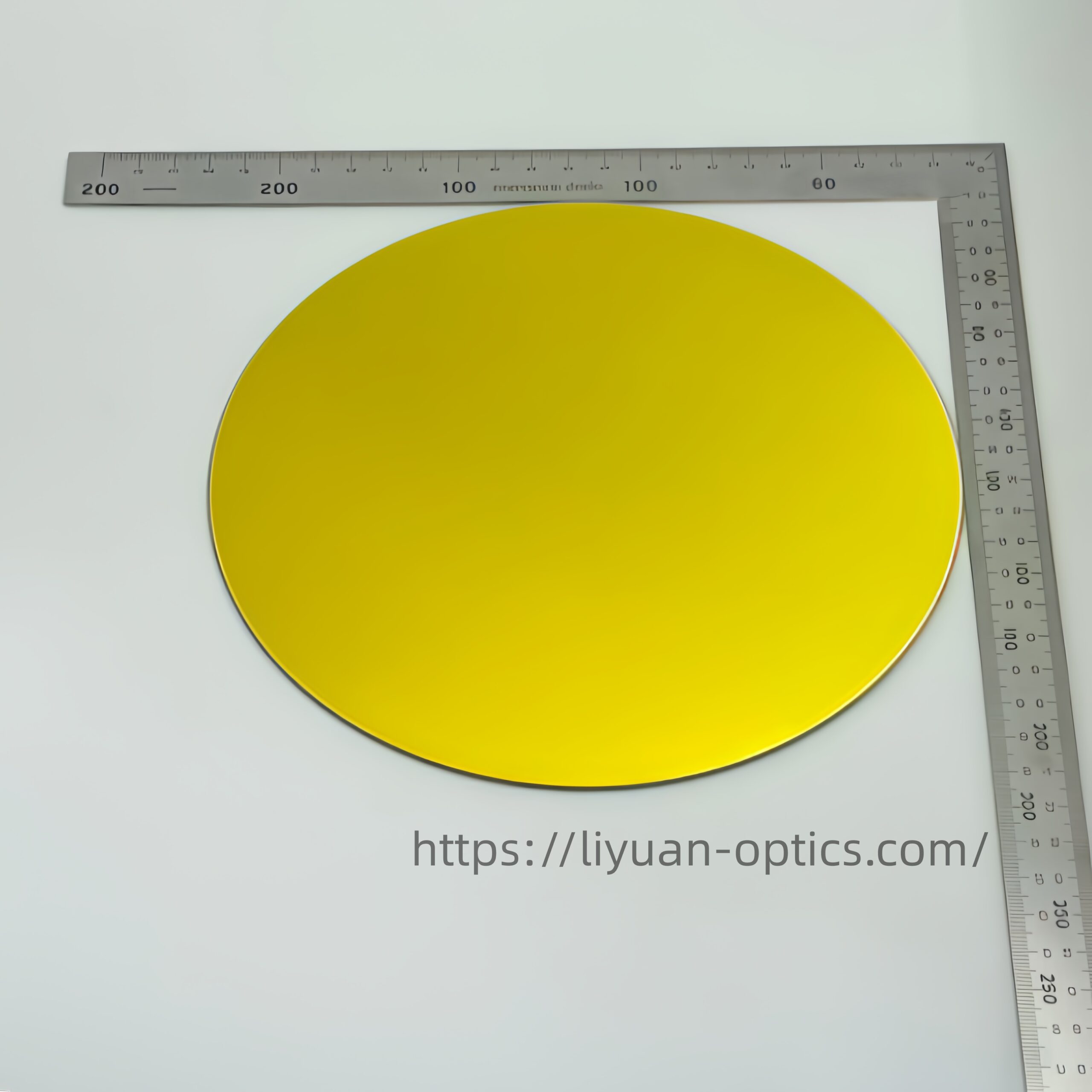
| Dimension (mm): | Dia. 200mm or Customized |
| Thickness: | 2.0mm or customized |
| Substrate: | Optical glass |
| Remark: (1) Shape: Rectangle, Square or customized. (2) Common for 86x86mm, 80x80mm, max. 300x300mm. (3) Optional thickness: 0.21、0.3、0.55、0.7、1.0、1.1、2.0、3.0mm…etc. | |
Spectral measurement graph examples
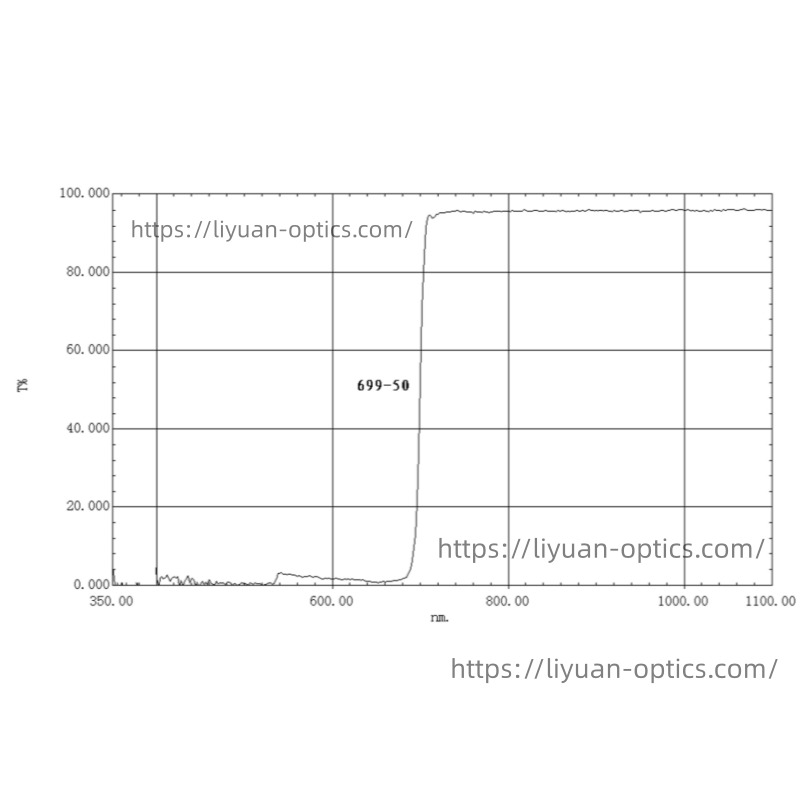 |
Picture 1: LP700nm Long-pass Filter Spectral measurement graph |
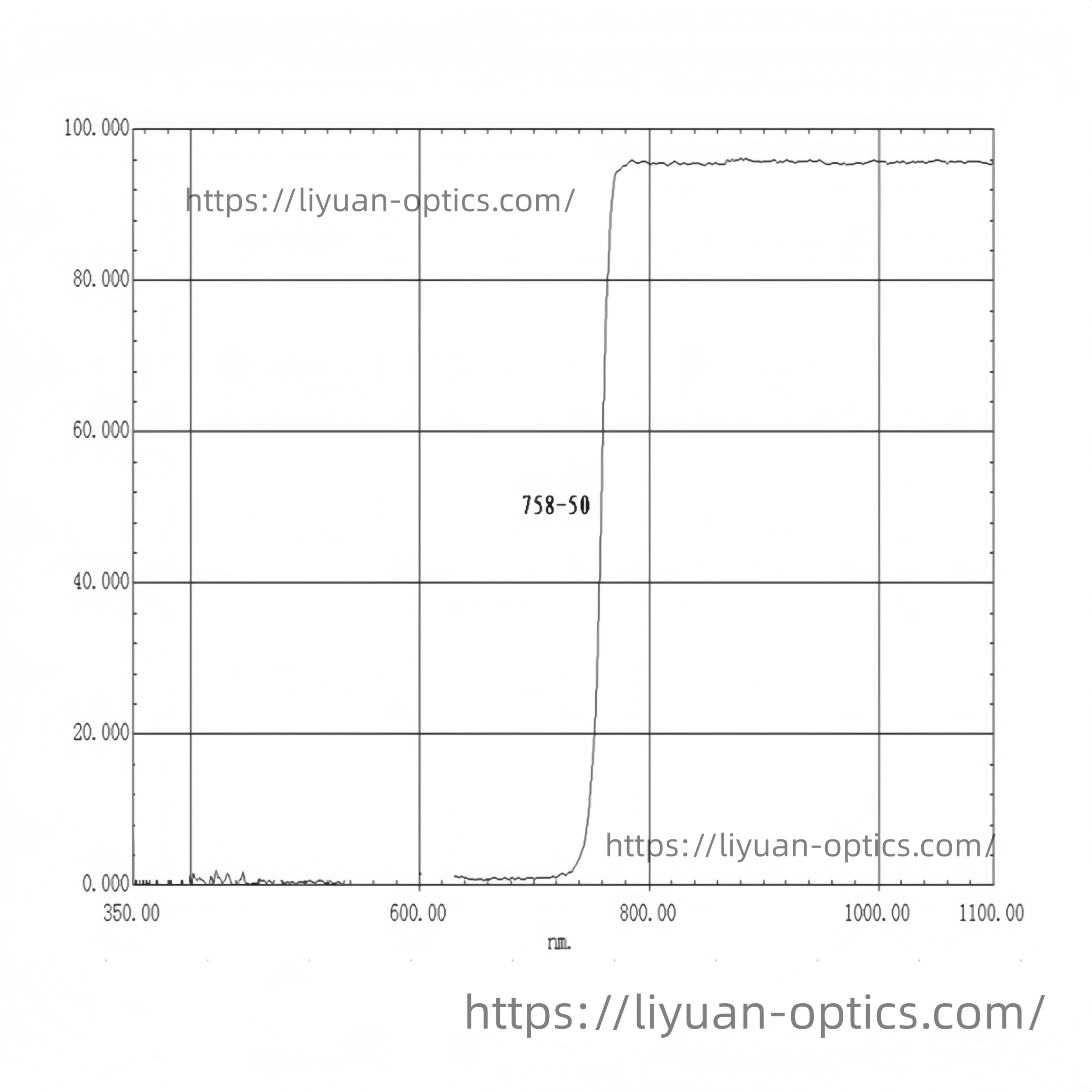 |
Picture 2: LP760nm Long-pass Filter Spectral measurement graph |
What are the Key Features of IR Long-pass Filters for Beauty Devices?
IR long-pass filters are common components in beauty and skin care devices. They block shorter wavelengths and allow near-infrared light above a specific cutoff wavelength to pass through.
The device’s function and optical requirements determine the cutoff wavelength. Common transmission ranges include 700–1100nm, 720–1100nm, 760–1100nm, and 780–1100nm.
Manufacturers can also customize the cutoff wavelength and extend the transmission range to 1200nm or even 1800nm for different applications.
What are the Key parameters should be considered when selecting a Optical Long-pass Filter?
When selecting a long-pass filter, normally the following key parameters should be considered:
- Cut-off Wavelength: This is one of the most important parameters. Manufacturers typically define it at the wavelength where transmittance reaches 50%.
- Average or Peak Transmittance: Standard filters typically offer average transmittance of 90% or higher. For higher requirements, such as 92% or 95%, specify the target value and wavelength range when discussing the design with the manufacturer. An additional AR coating may help improve transmittance.
- Blocking Level: Manufacturers usually express blocking performance as optical density (OD). Standard filters typically offer OD2–OD3, while demanding applications may require OD4–OD6.
- Angle of Incidence (AOI): Interference filters are sensitive to the angle of incidence. The standard angle is 0°. Specify other angles, such as 30° or 45°, when required.
- Physical and Environmental Requirements: Consider the substrate material, dimensions, thickness, surface quality, and environmental conditions of the application.
Related products:
LP780, 780nm Longpass Filter, OD2, dielectric coating, Long wavelength pass Filter
Shenzhen Hengda Liyuan Optoelectronics introduced advanced optical vacuum technology that apply depositing nano-materials through ion-assisted evaporation onto a multilayer hard film in a high vacuum environment which the coating layer is firm and has good tightness and small bandwidth drift. The company have been focus on optical coating for more than 17 years ,and the company offer one-stop optical filters solution including Narrow Bandpass Filters, IR cut-off Filters, Longpass Filters, Shortpass Filters, Notch Filters, ND filters, Star filters and Optical sapphire block.
Remark:Because the interference type filter varies its spectral performance at different angles, the spectral parameters usually determine its appearance color; moreover, the pictures in this link may originate from various shooting angles, so the actual color of the parts should therefore refer to the final spectral parameters required.