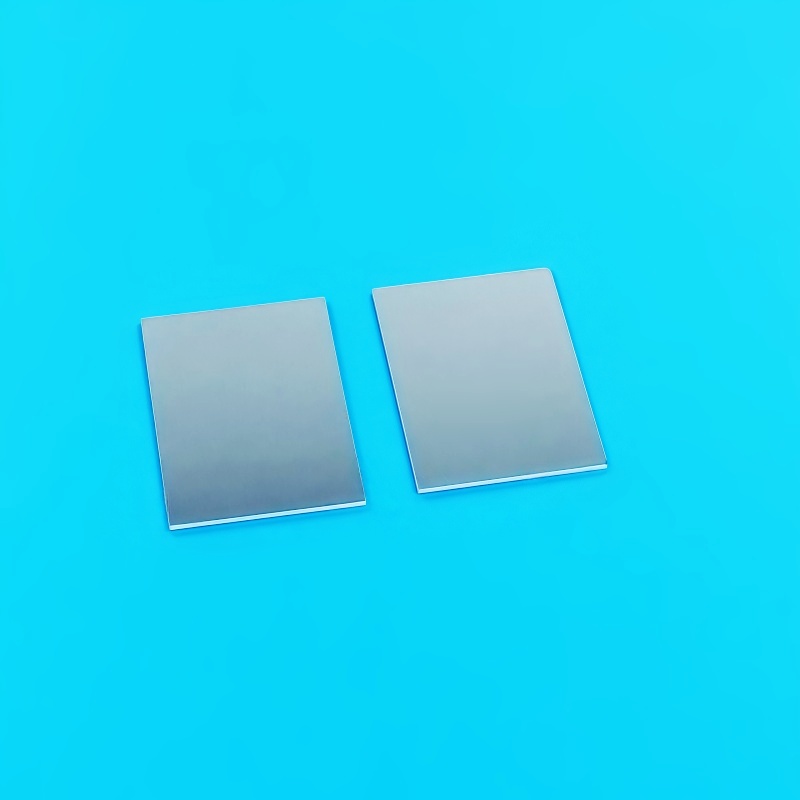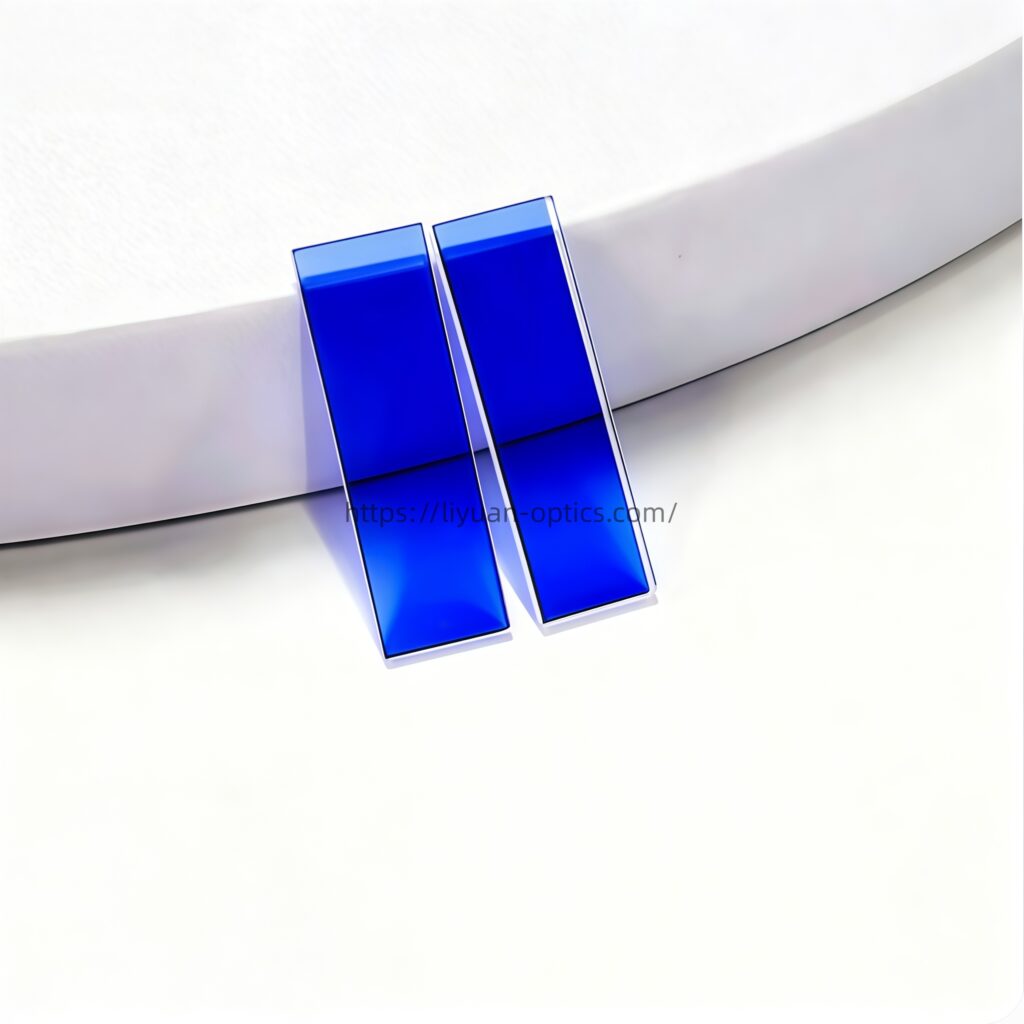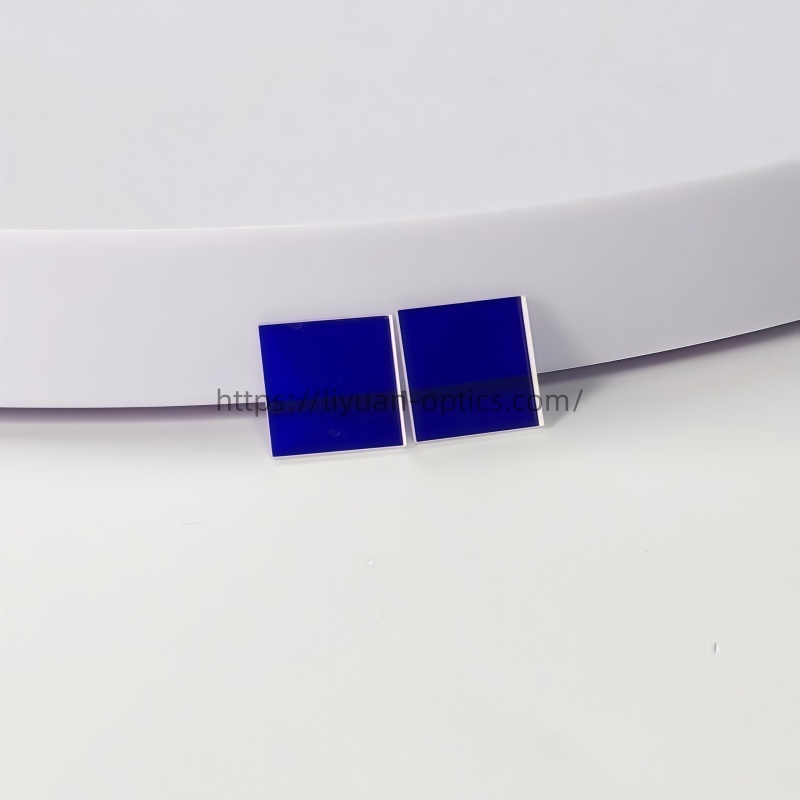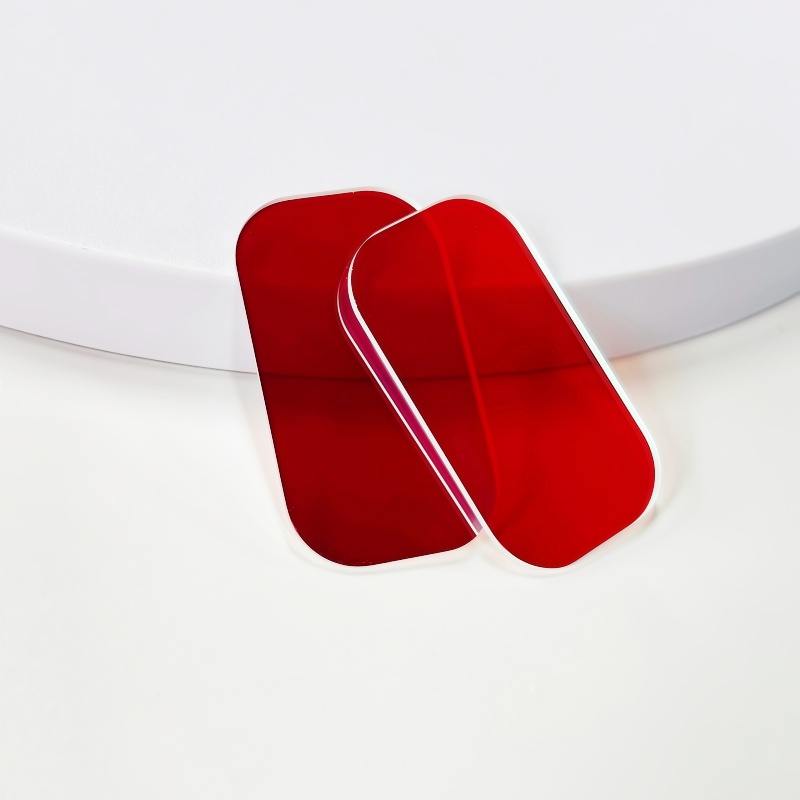
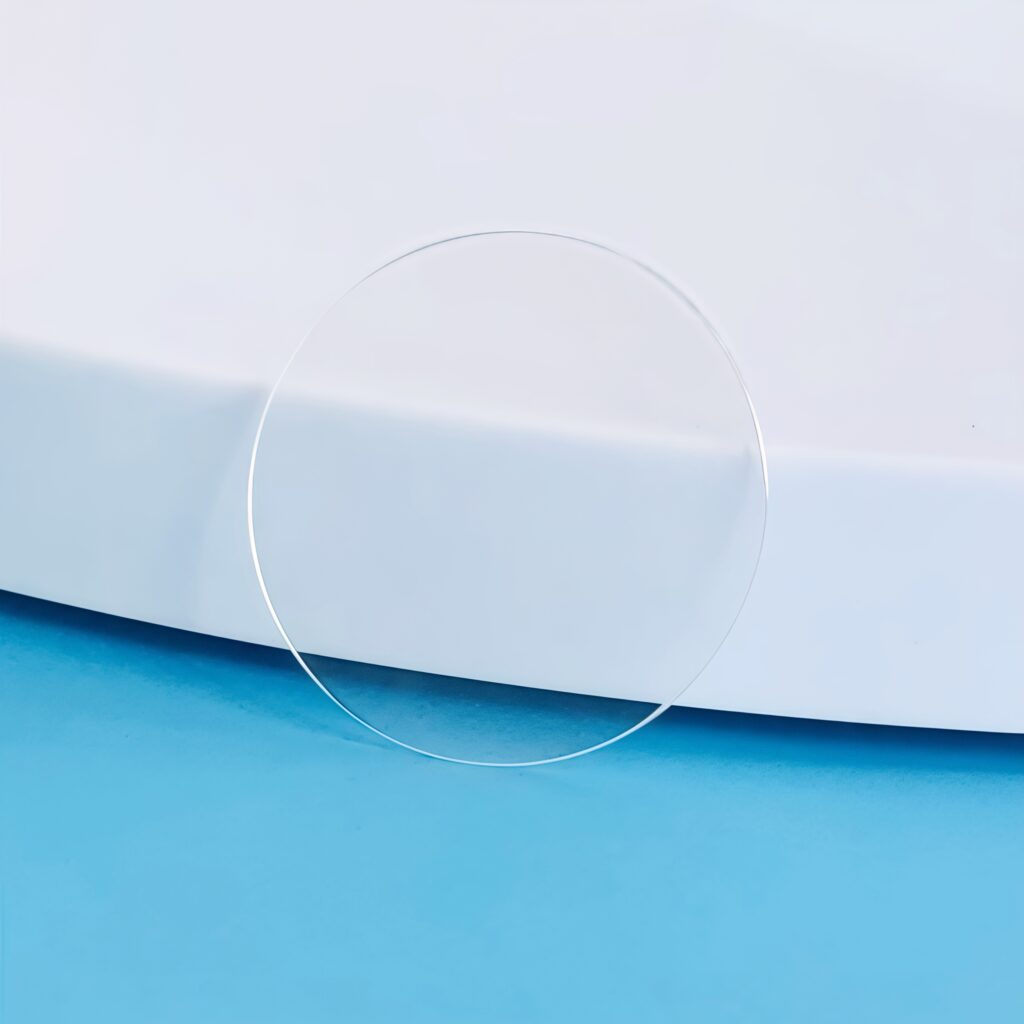
Product Descriptions:
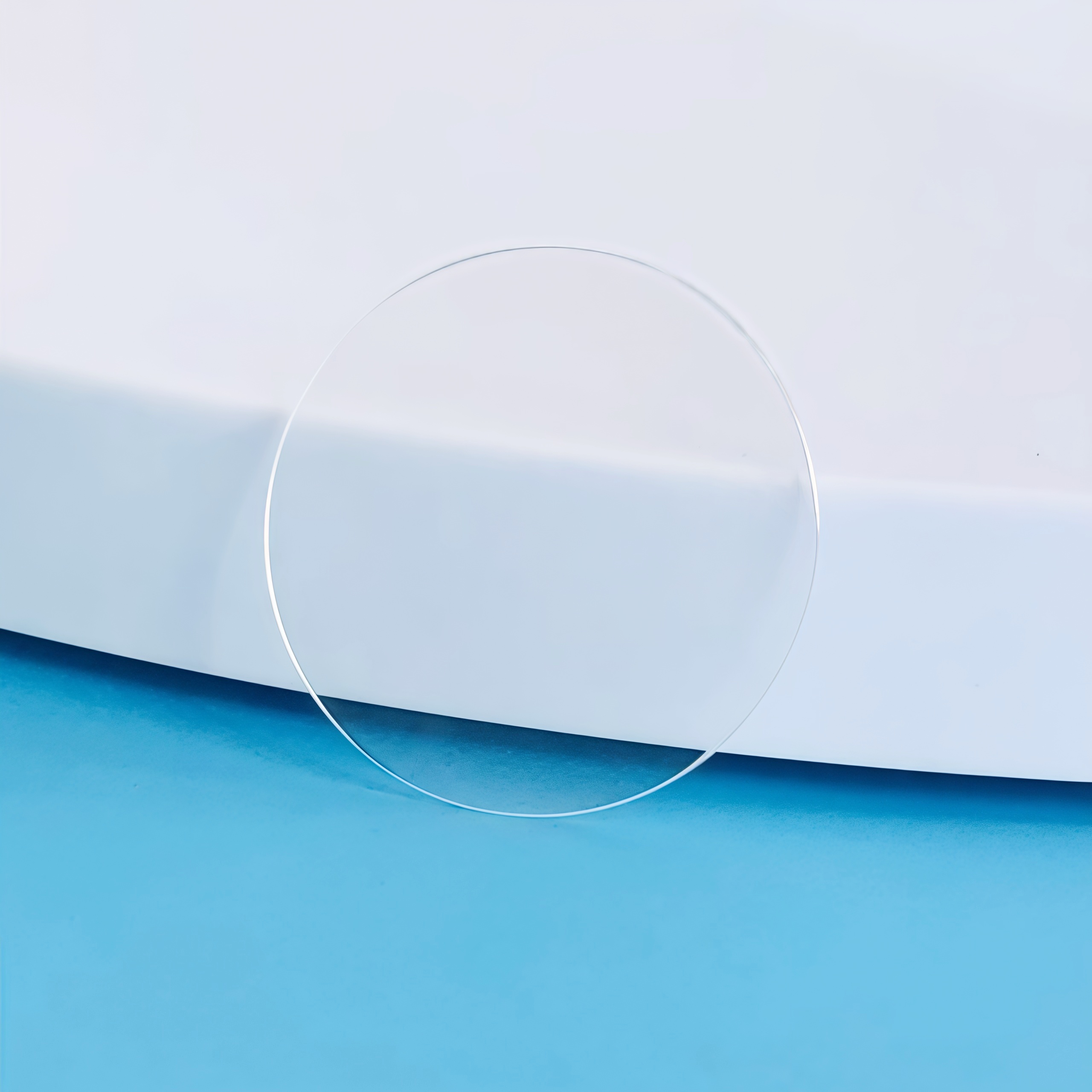
| Characteristics: | Optical Glass Coated Teleprompter Beam Splitter Mirror |
| Type: | Beam splitter |
| Wavelength: | Full spectral band reflection |
| Peak Transmittance(%) : | 50% |
| Split Ratio (T/R) | 70/30, 65/35, 60/40 or specified |
| Surface Quality | 60/40 scratch-dig |
| Dimension(mm): | Specified** |
| Thickness(mm): | 0.2 ~ 3.0 mm |
| Substrate: | BK7 / K9 / Optical Grade Low-Iron Ultra-Clear Glass |
| color | Transparent |
| Coating Technology | Front surface: Multi-layer Dielectric Coating Back surface: Multi-layer Anti-Reflective (AR) Coating |
| Remark: Spectral range:200-1100nm *Customized capability: 380-2500nm, stock for 10nm intervals. **Common for 86x86mm, 80x80mm, other can customized, max. 300x300mm *** Thickness available: 0.21、0.3、0.55、0.7、1.0、1.1、1.5、1.8、2.0、3.0mm…etc. | |
What is A Optical Glass Coated Teleprompter Beam Splitter Mirror?
An Optical Glass Coated Teleprompter Beam Splitter Mirror is a precision-engineered optical component designed specifically for teleprompter systems. It allows a speaker to read scrolling text while maintaining direct eye contact with the camera lens, creating a natural and engaging connection with the audience.
What is typical application for Optical Glass Coated Teleprompter Beam Splitter Mirrors?
What is key parameter when choose for Optical Glass Coated Teleprompter Beam Splitter Mirrors?
Key parameters for selecting Optical Glass Coated Teleprompter Beam Splitter Mirrors include:
First, split ratio – the transmission-to-reflection ratio, e.g., 70/30, where transmittance determines camera brightness and reflectance affects text clarity for the presenter.
Second, operating wavelength range – typically covering 400–700nm to ensure stable transmission and reflection without color shift or brightness non-uniformity.
Third, reflectance uniformity – the consistency of reflectance across the mirror surface.
Forth, polarization effect – the mirror’s response to polarized light.
Fifth, surface quality – expressed as scratch/dig, e.g., 40/20, 60/40, where higher quality reduces scattering loss and enhances image clarity and contrast
Sixth, optical glass substrate – common materials include B270, BK7, and D2637T.
Seventh, dimensions and thickness – physical size to match mounting requirements.
Eighth, environmental durability – resistance of coating and substrate to temperature, humidity, UV, and scratches.
Nineth, angle of incidence (AOI) – typically 45° for teleprompter applications.
Shenzhen Hengda Liyuan Optoelectronics introduced advanced optical technology that apply depositing nanomaterials through ion-assisted evaporation onto a multilayer hard film in a high vacuum environment which coating layer is firm and has good tightness, and small bandwidth drift. Liyuan optoelectronics have been focus on optical coating for more than 17 years and offer one-stop optical filters solution including Narrow Bandpass Filters, IR cut-off Filters, Longpass & Short Filters, Notch Filters, ND filters, Star filters and Optical sapphire block.