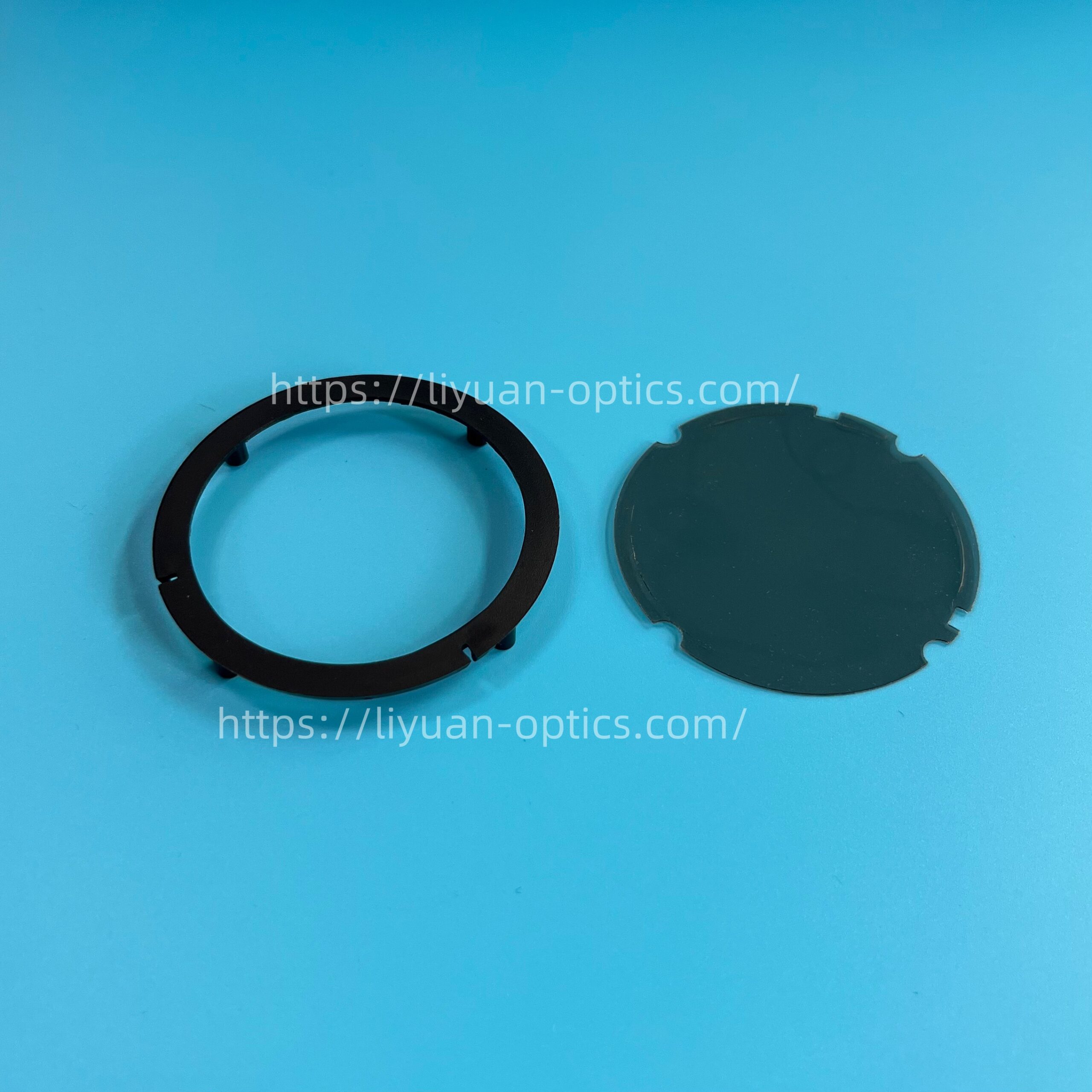

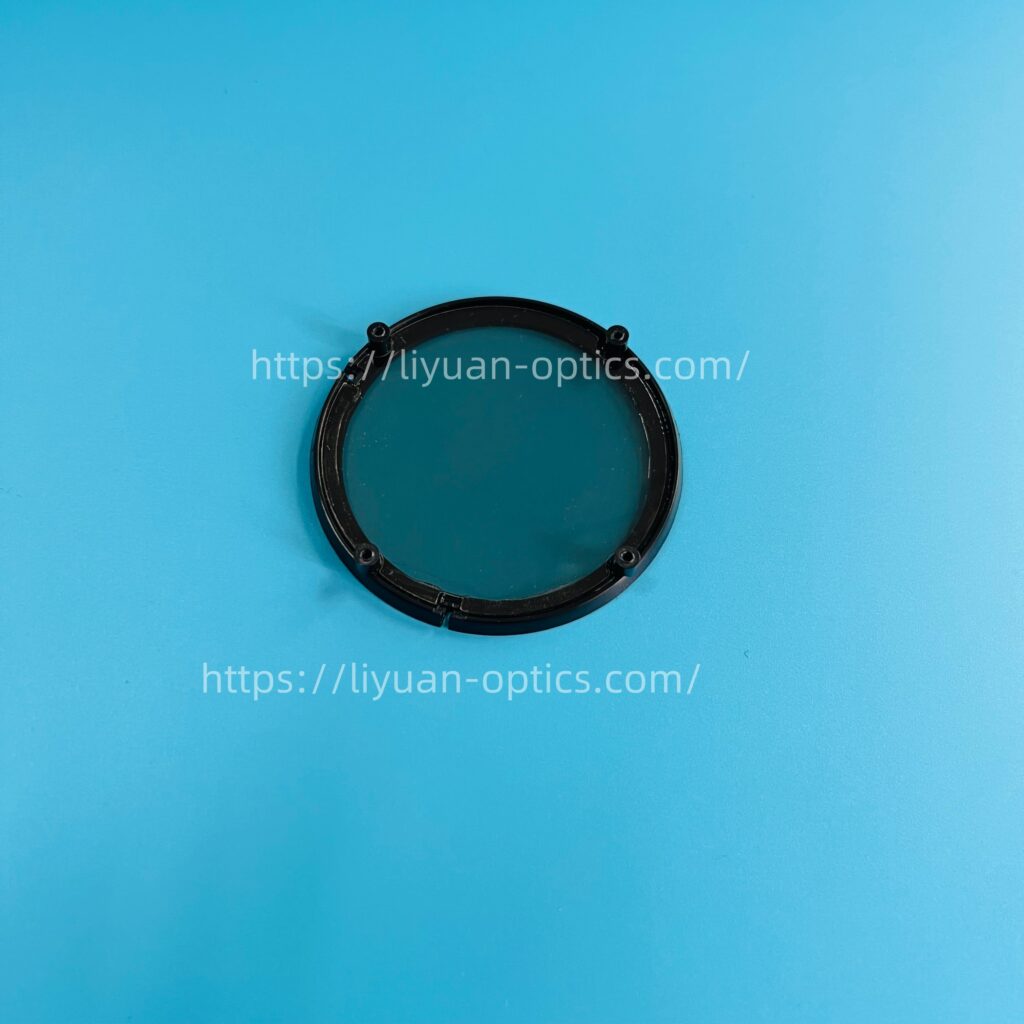


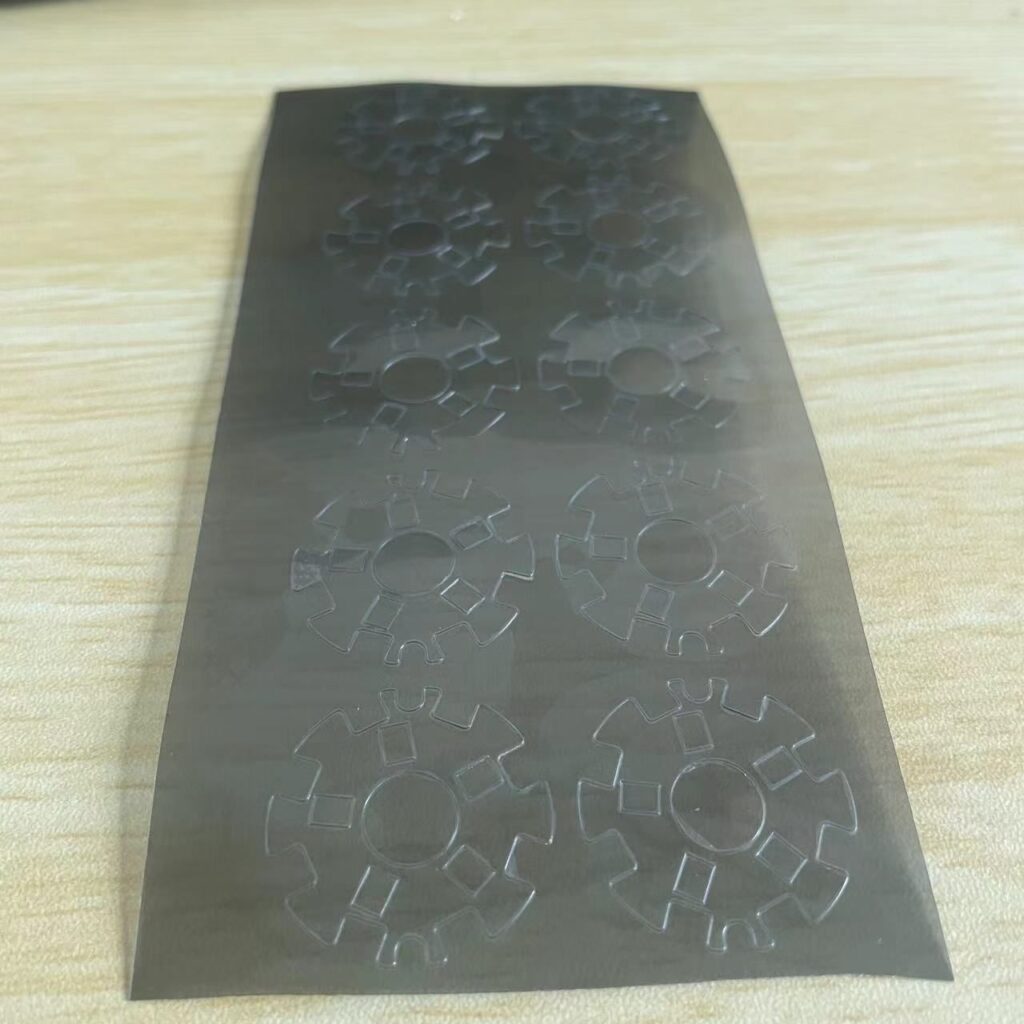
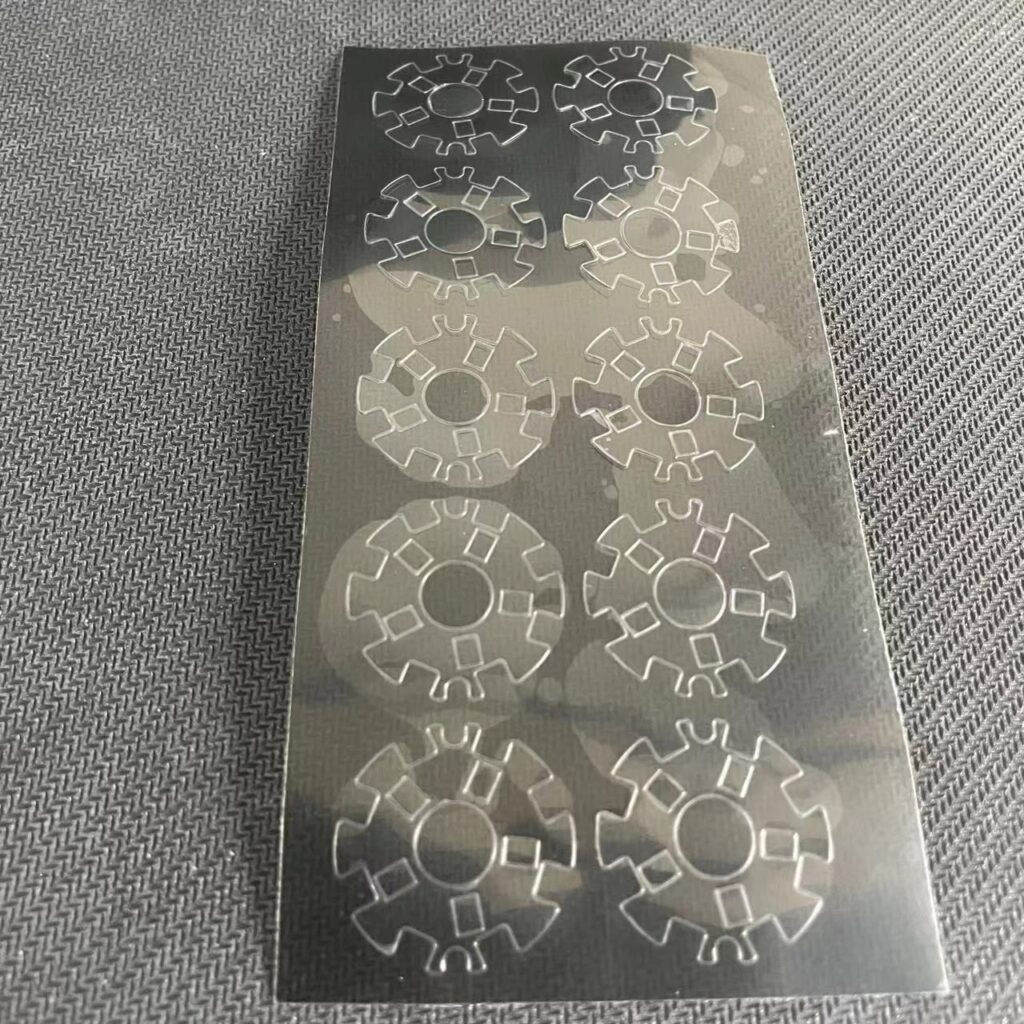


1.Product Descriptions:
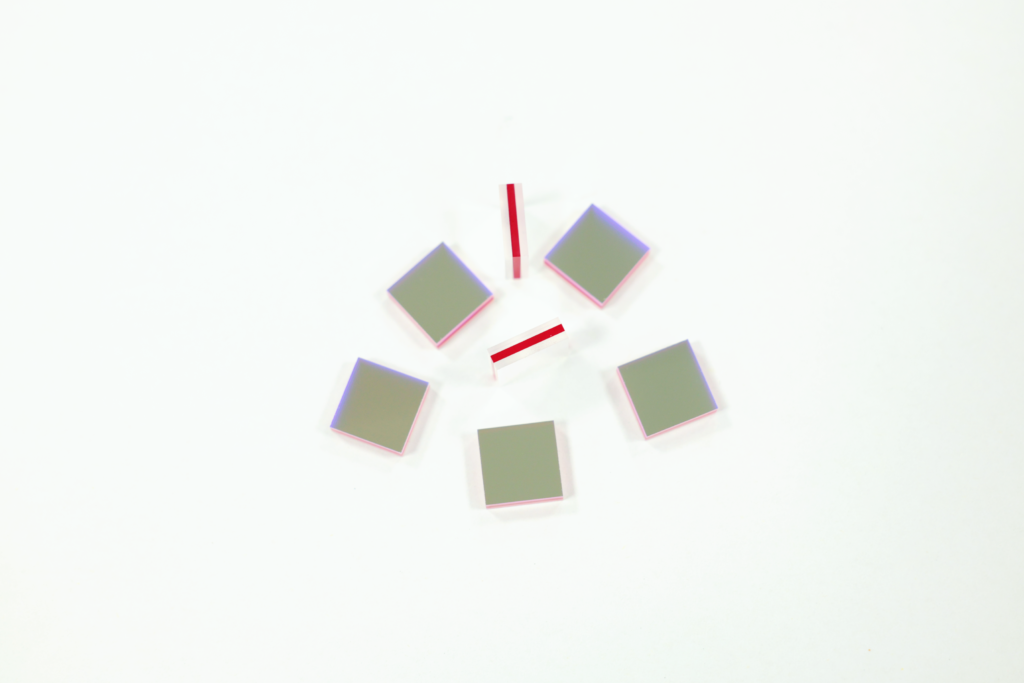
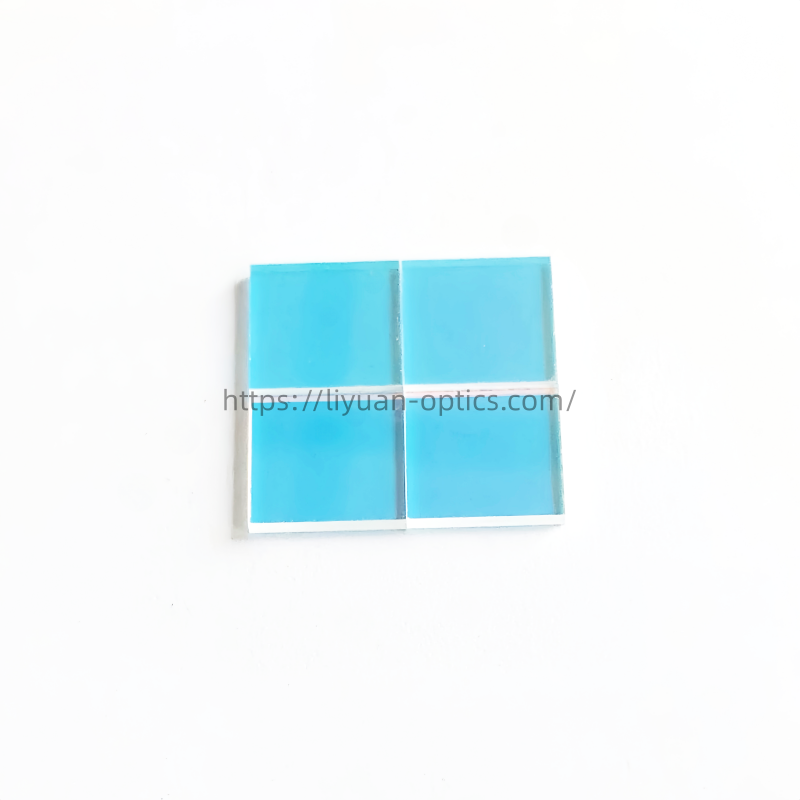
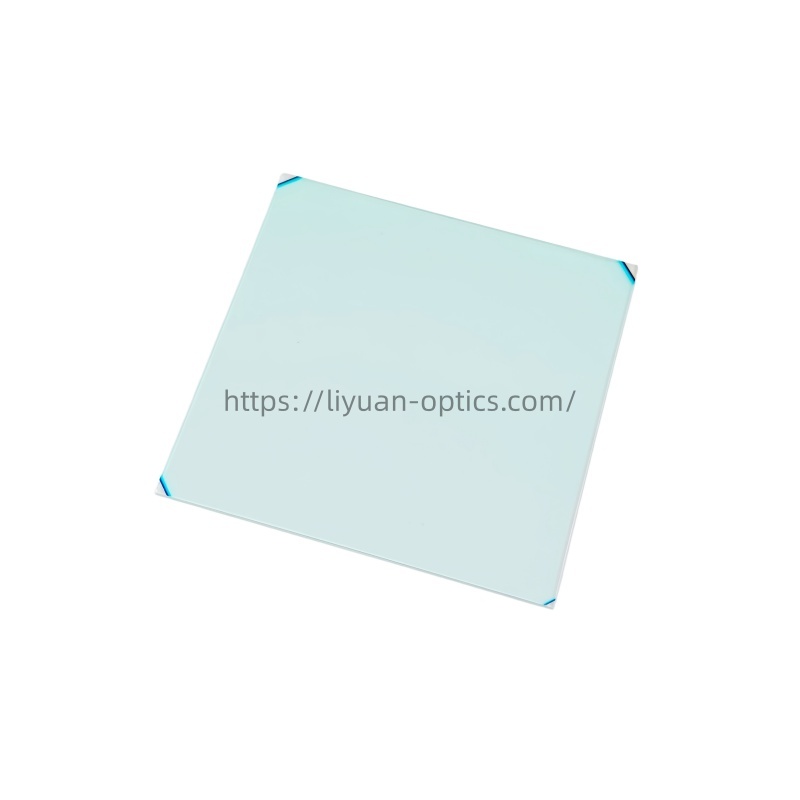
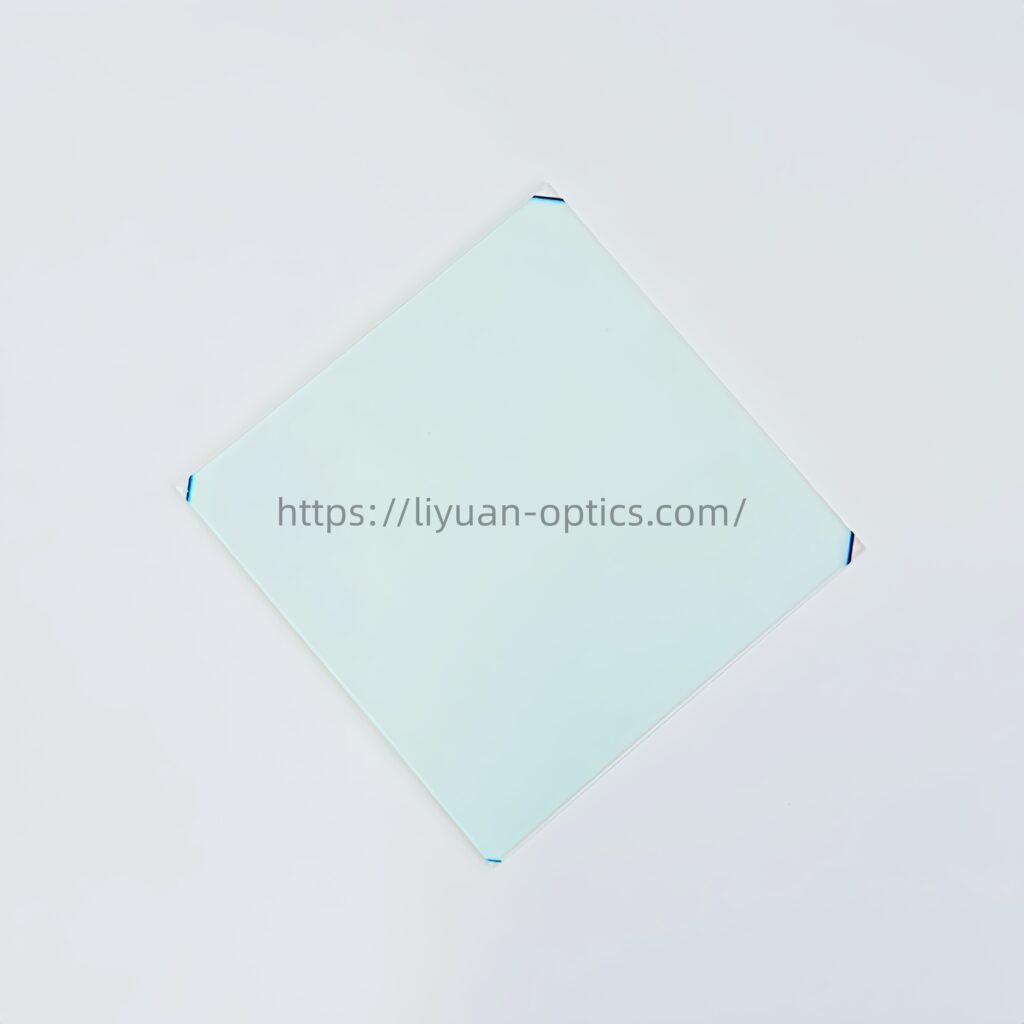
| Characteristics: | Linear Polarizer Filters lens |
| Type: | Polarizer |
| Peak Transmittance(%) : | 30%-90% |
| Shape: | Round, Square, Custom Shape |
| Color: | Grey |
| Angle of Incidence(AOI) | Usually 0°, 45° or 90° |
| Surface Quality: | 60/40 scratch-dig |
| Dimension(mm): | Specified** |
| Thickness(mm): | specified |
| Substrate: | PVA, Quartz, MgF₂, TAC |
| Remark: (1) Size customized: 86x86mm, 80x80mm, other can customized, max. 300x300mm (2) Thickness available: 0.21、0.3、0.55、0.7、1.0、1.1、1.5、1.8、2.0、3.0mm, etc. | |
2.What is a Linear Polarizer (LPL)?
A linear polarizer , short for LPL is an optical filter, it allows light waves oscillating in a single plane (direction) to pass through. it’s the original type of polarizing filter, effectively blocking light that is vibrating in other directions.
3.Linear vs. Circular Polarizer?
| Feature | Linear Polarizer | Circular Polarizer (CPL) |
| Polarizing Effect | Excellent | Excellent (identical visual results) |
| Autofocus/Metering | Incompatible with modern cameras | Fully Compatible |
| Common Use Today | Rare; mostly in old film cameras or some scientific applications. | The standard for all modern digital photography. |
4.What is typical application for Linear Polarizer (LPL)?
Typical application for Linear Polarizer (LPL) is very broad, include scientific and laboratory applications, specialized imaging and technology, non-photographic optical uses…etc. The Linear Polarizer is a fundamental optical component. Its application shifted from general photography to specialized technical fields once the Circular Polarizer (CPL) was developed to solve compatibility issues with modern cameras. For any digital SLR, mirrorless, or compact camera, a CPL is the correct choice. The LPL remains the tool of choice for science, industry, and simple light control where camera sensor interference is not a factor.
5.What is key parameter when choose for Linear Polarizer (LPL)?
When selecting Linear Polarizer (LPL), you need to consider the following key factors. First, wavelength range. Ensure the polarizer operates effectively in your required spectral band. Second, extinction ratio (ER). Extinction ratio is a core metric for evaluating polarizer performance. Third, transmission (single-pass), commonly ranges from 30% to 90%. Fourth, size and tolerance. Fifth, transmission axis angle, typically, the angle is 0°, 45°, 90°, etc.
Related products:
Circular Polarizer (CPL) Filter Glass for Camera lens and Industrial cameras
Shenzhen Hengda Liyuan Optoelectronics introduced advanced optical technology that apply depositing nanomaterials through ion-assisted evaporation onto a multilayer hard film in a high vacuum environment which coating layer is firm and has good tightness, and small bandwidth drift. Liyuan optoelectronics have been focus on optical coating for more than 17 years and offer one-stop optical filters solution including:
Narrow Bandpass Fitlers, IR cut-off Filters, Longpass & Short Filters,Notch Filters, ND filters, Star filters and Optical sapphire block.