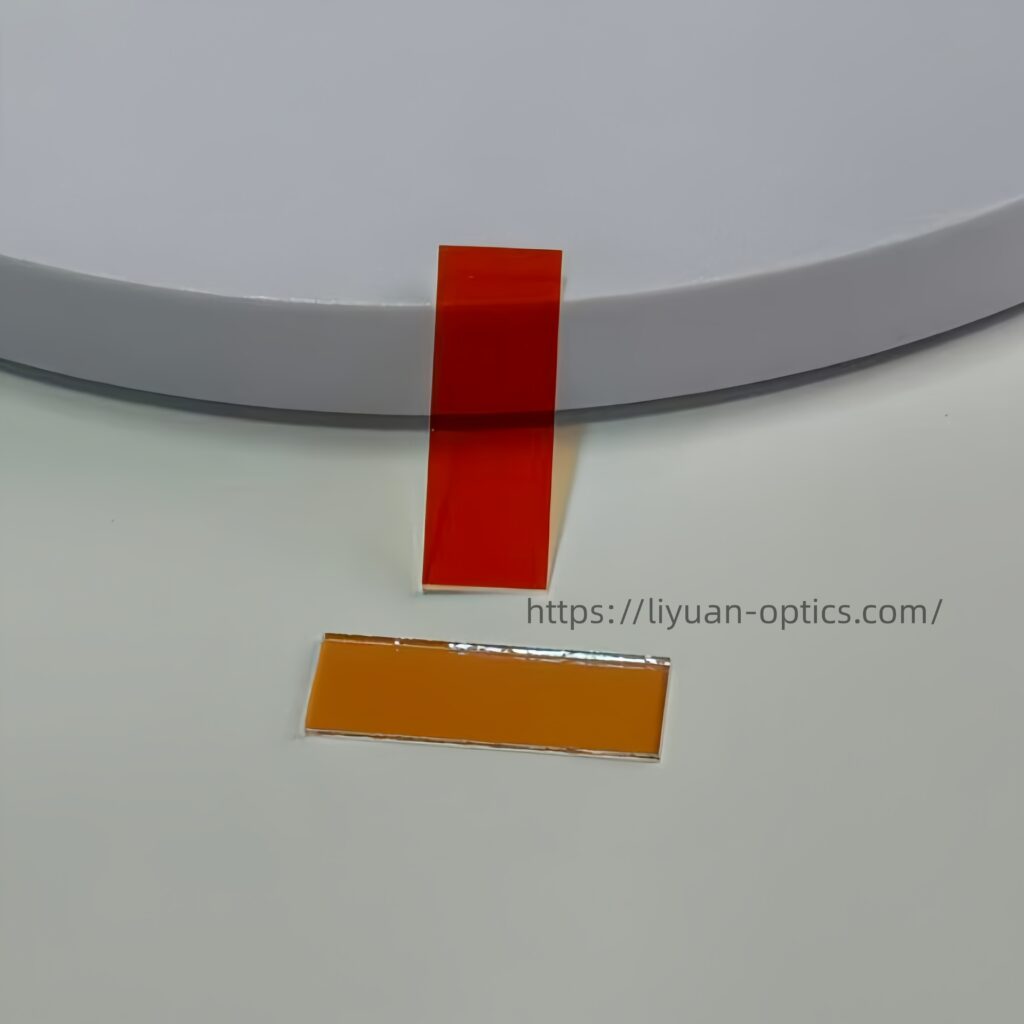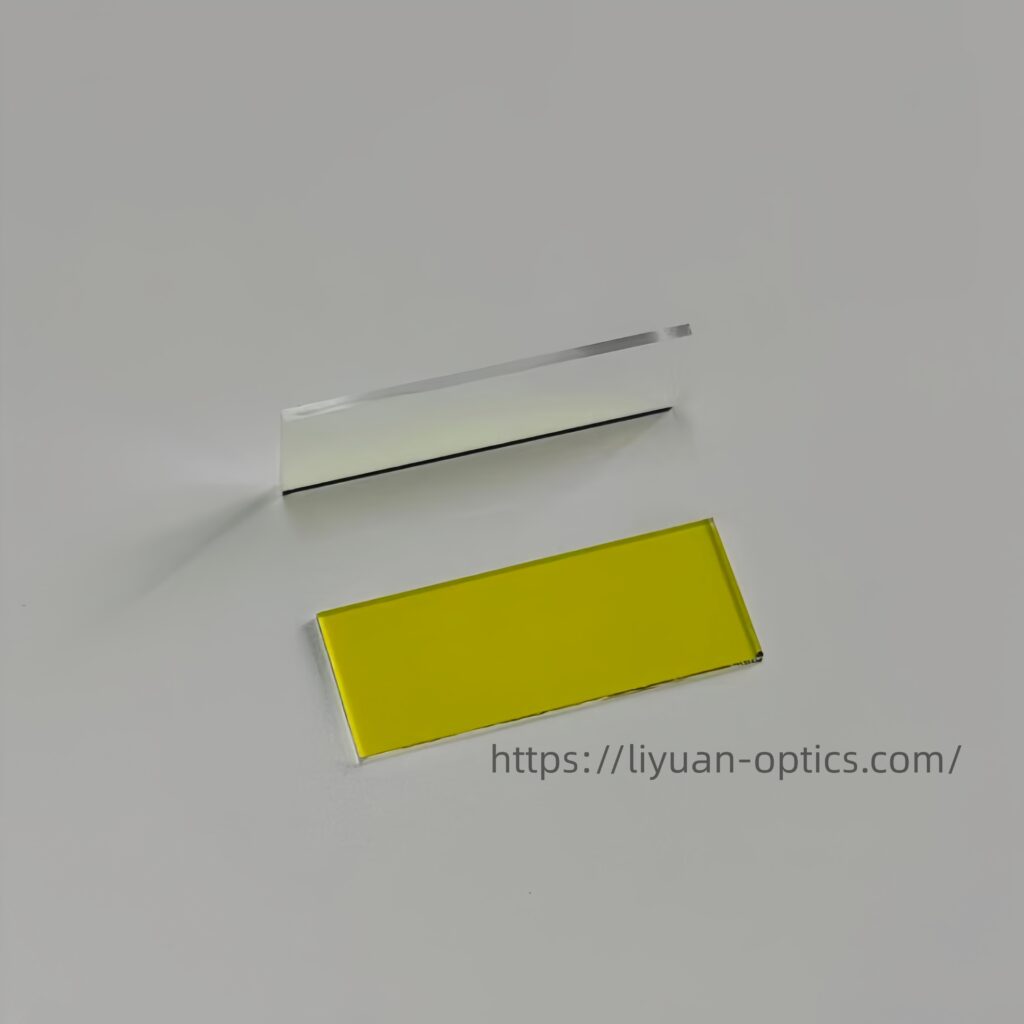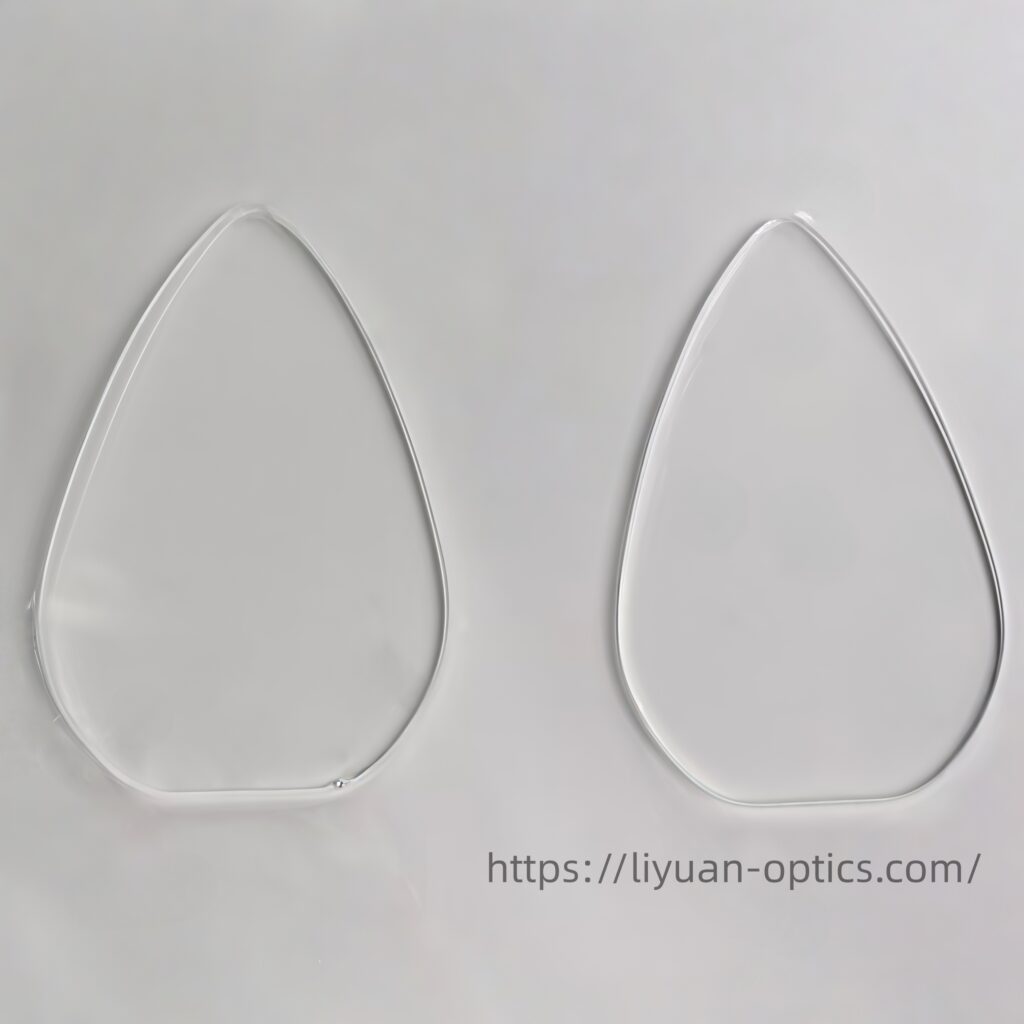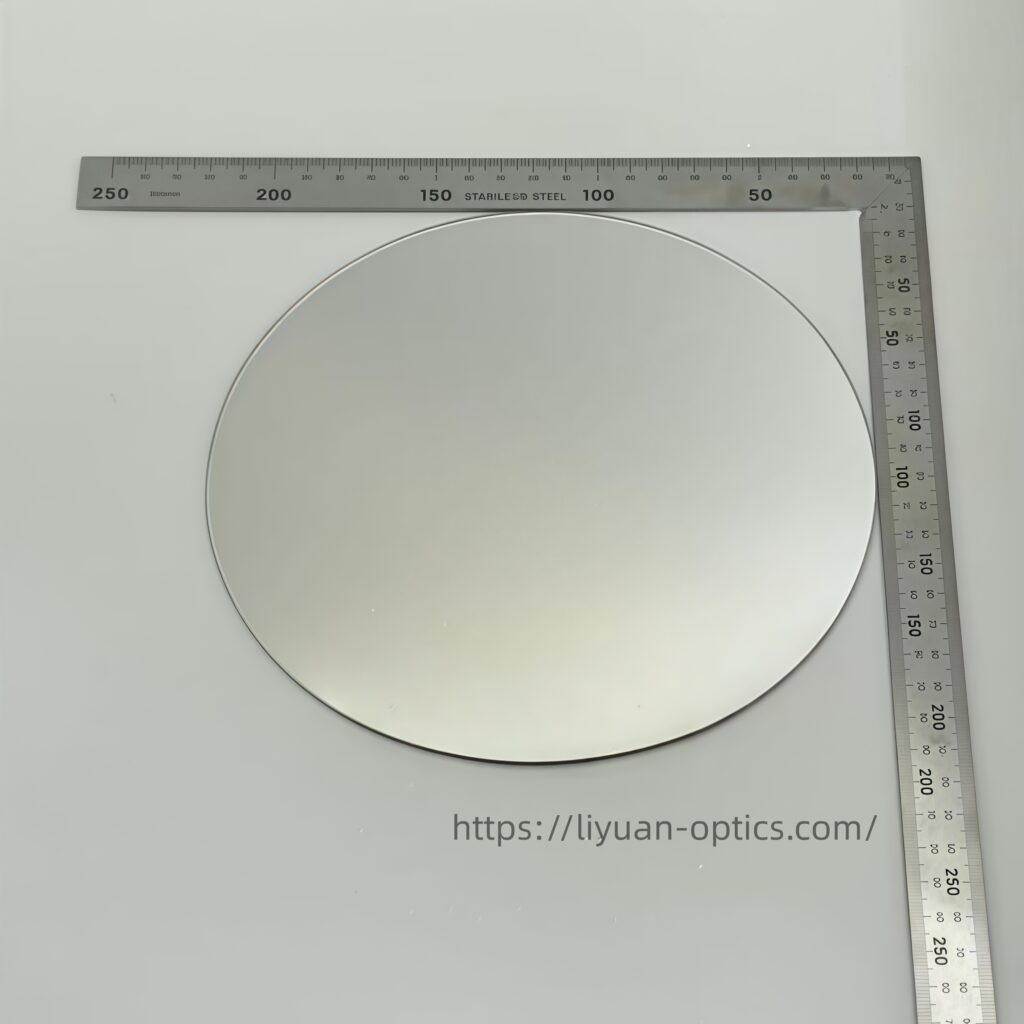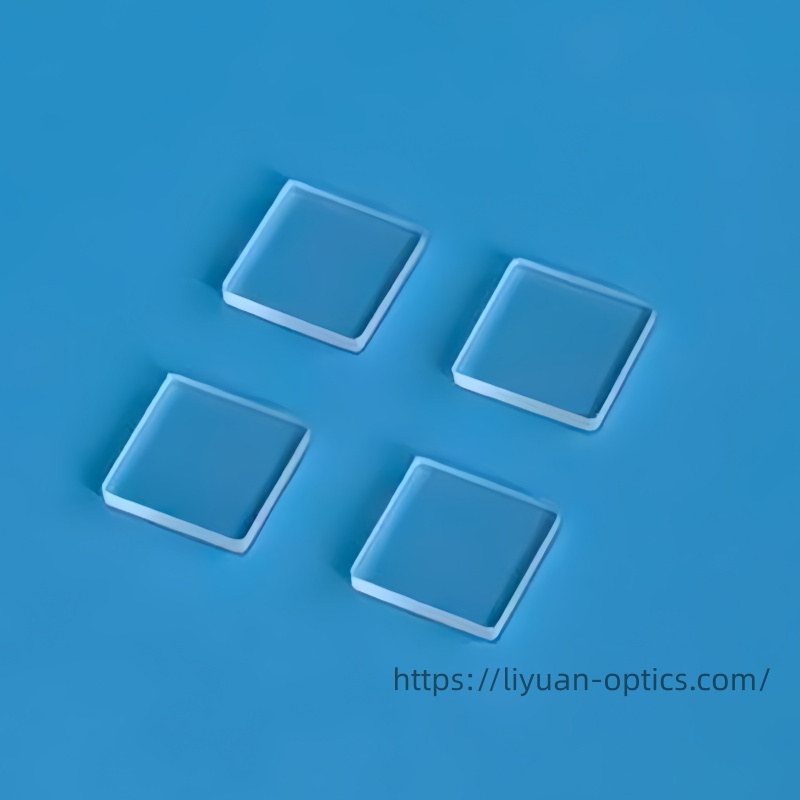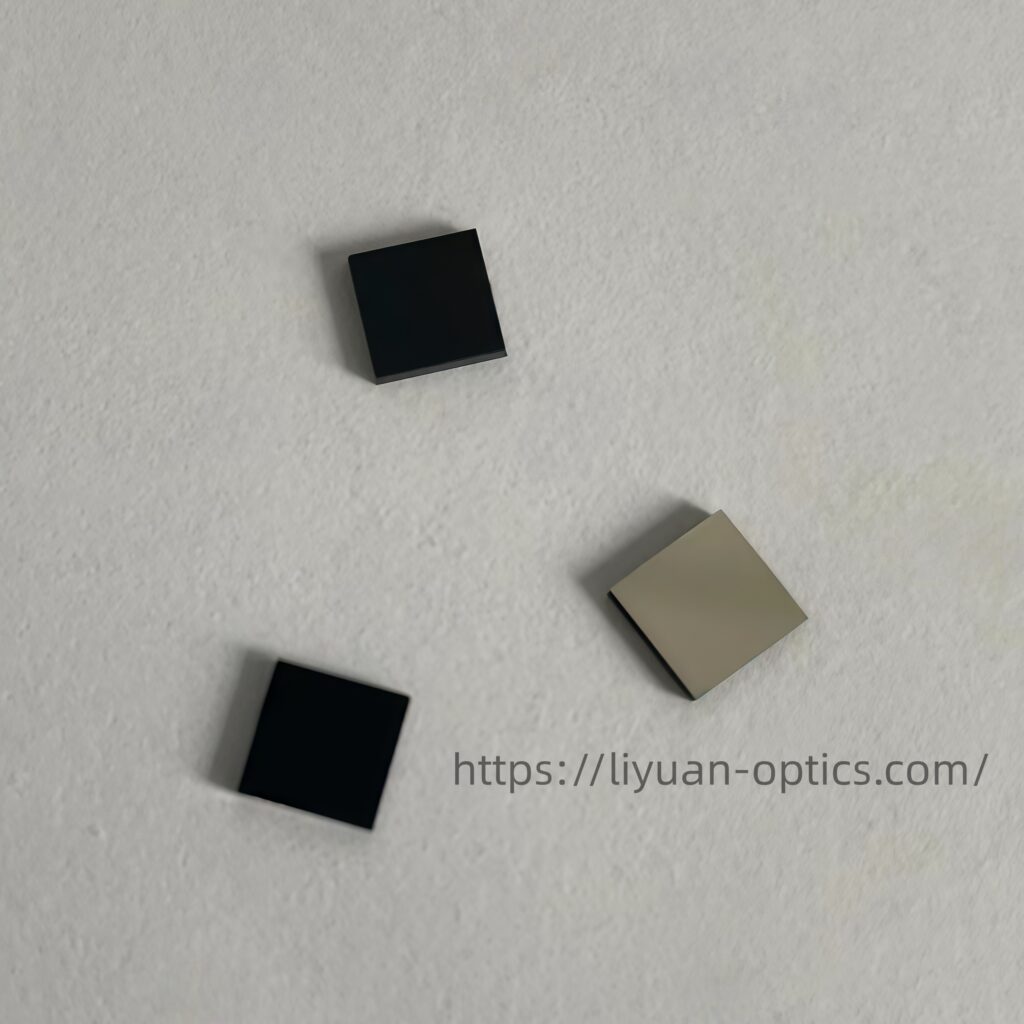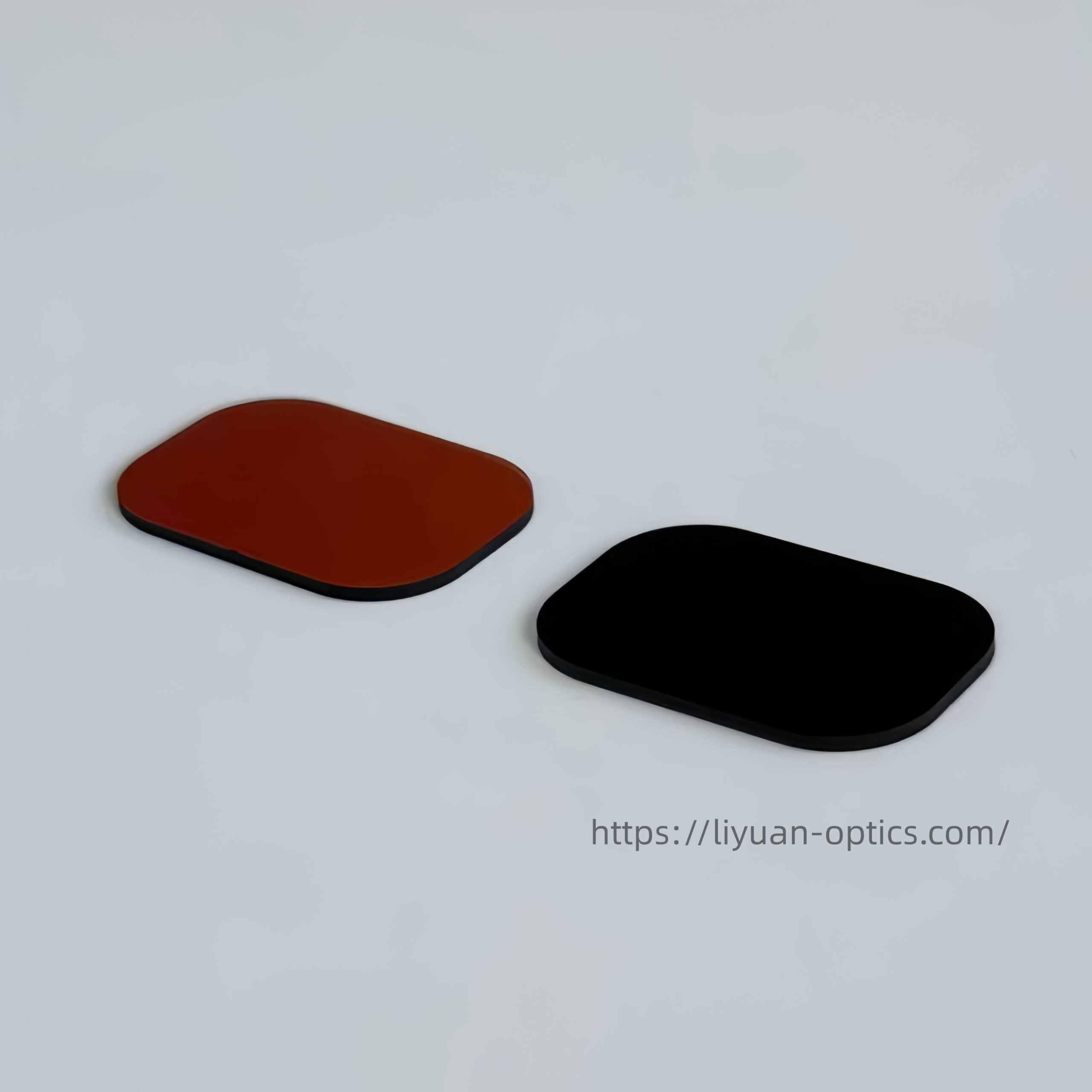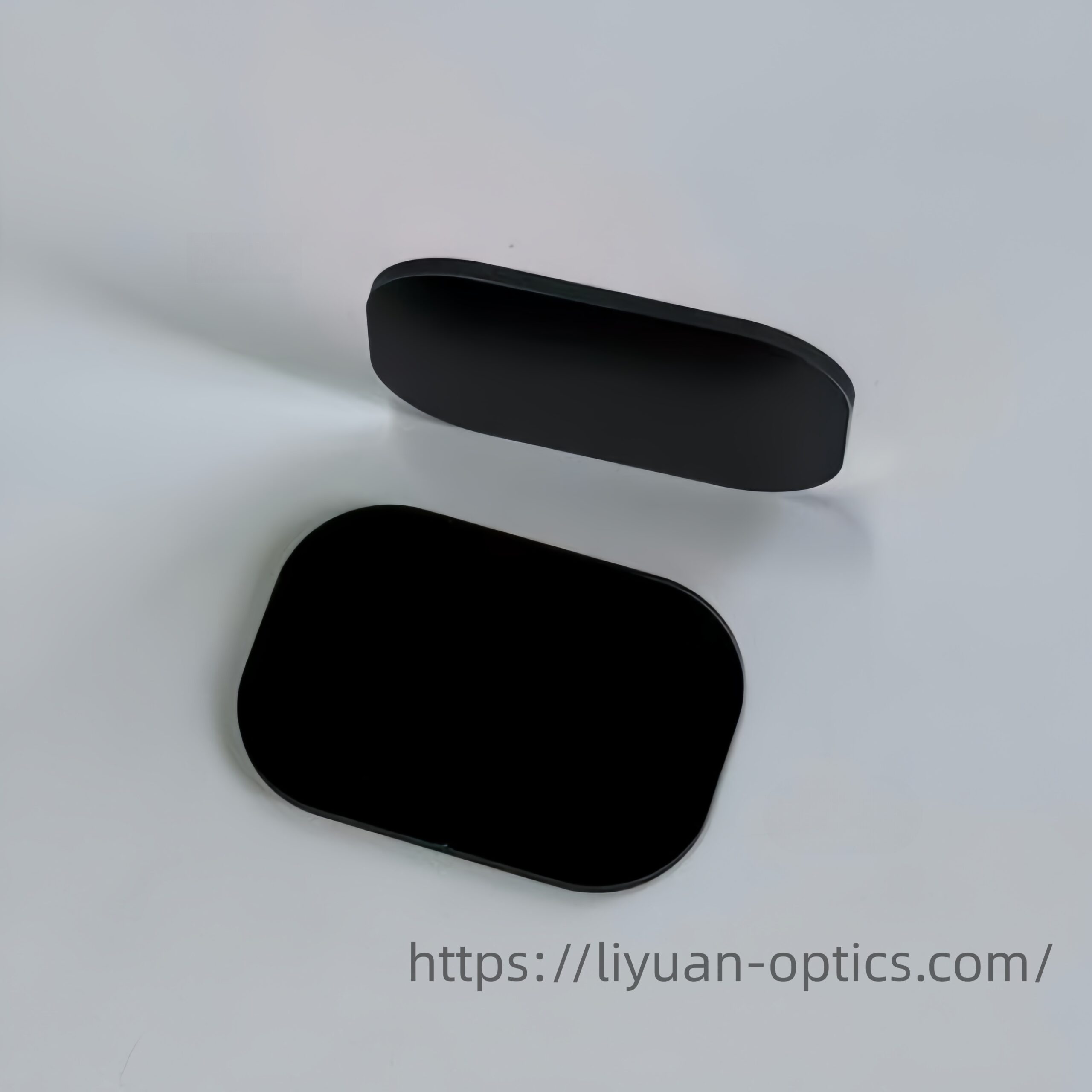

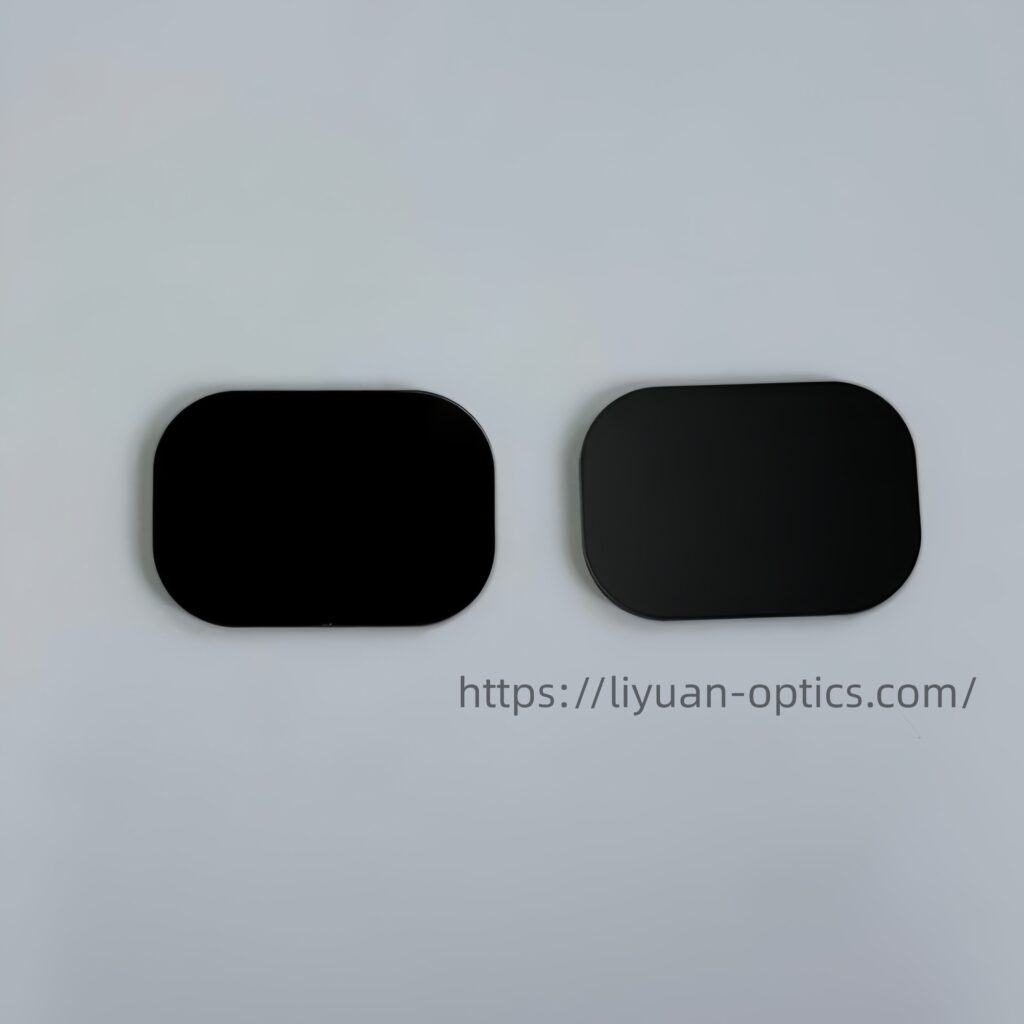
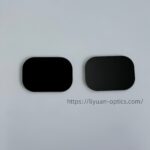
Product Descriptions:
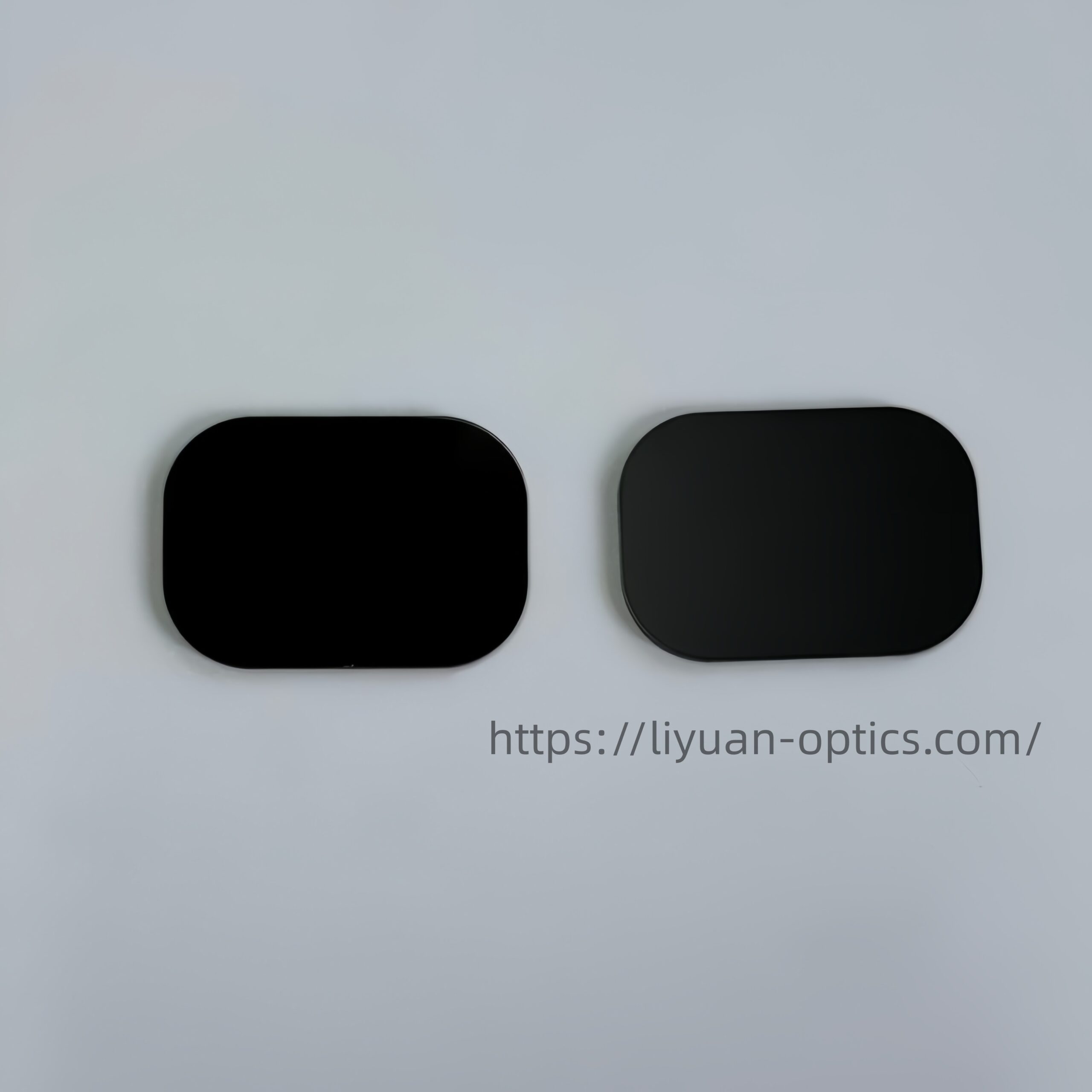
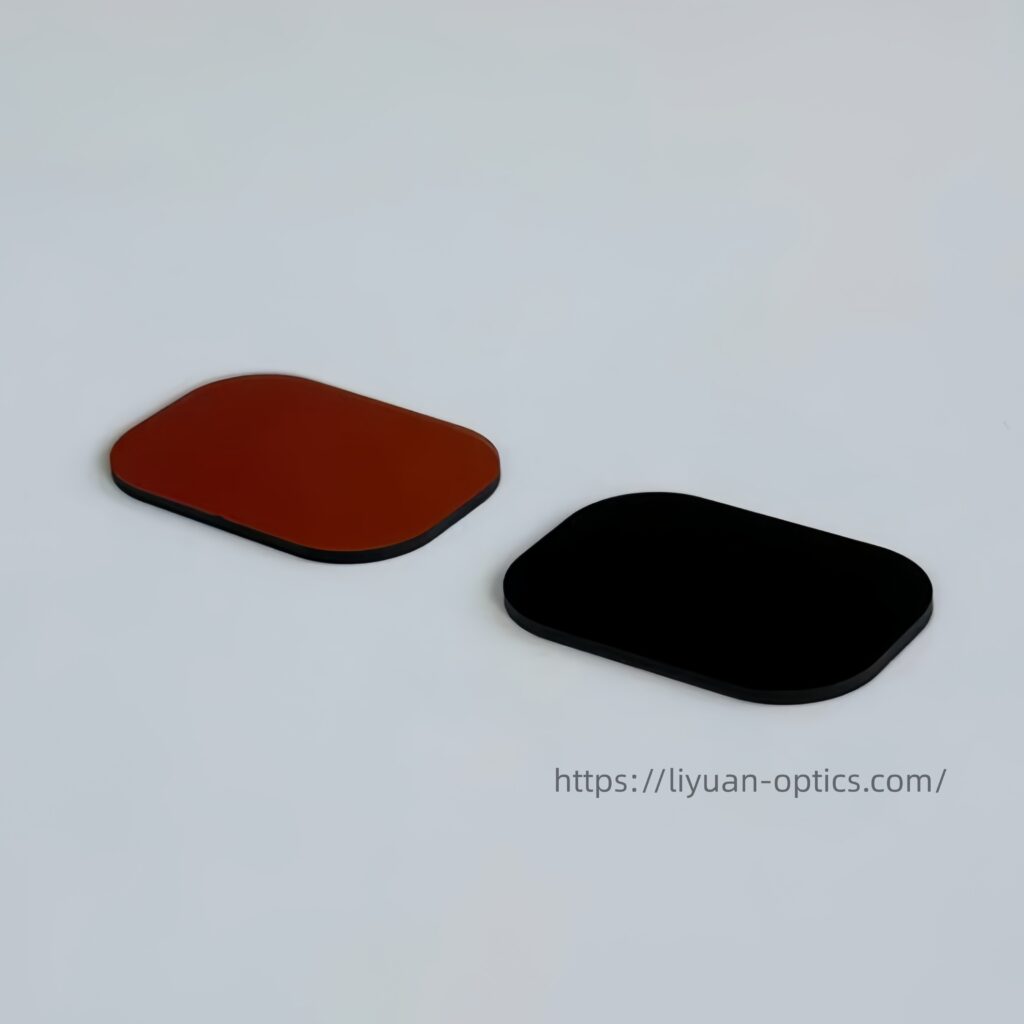
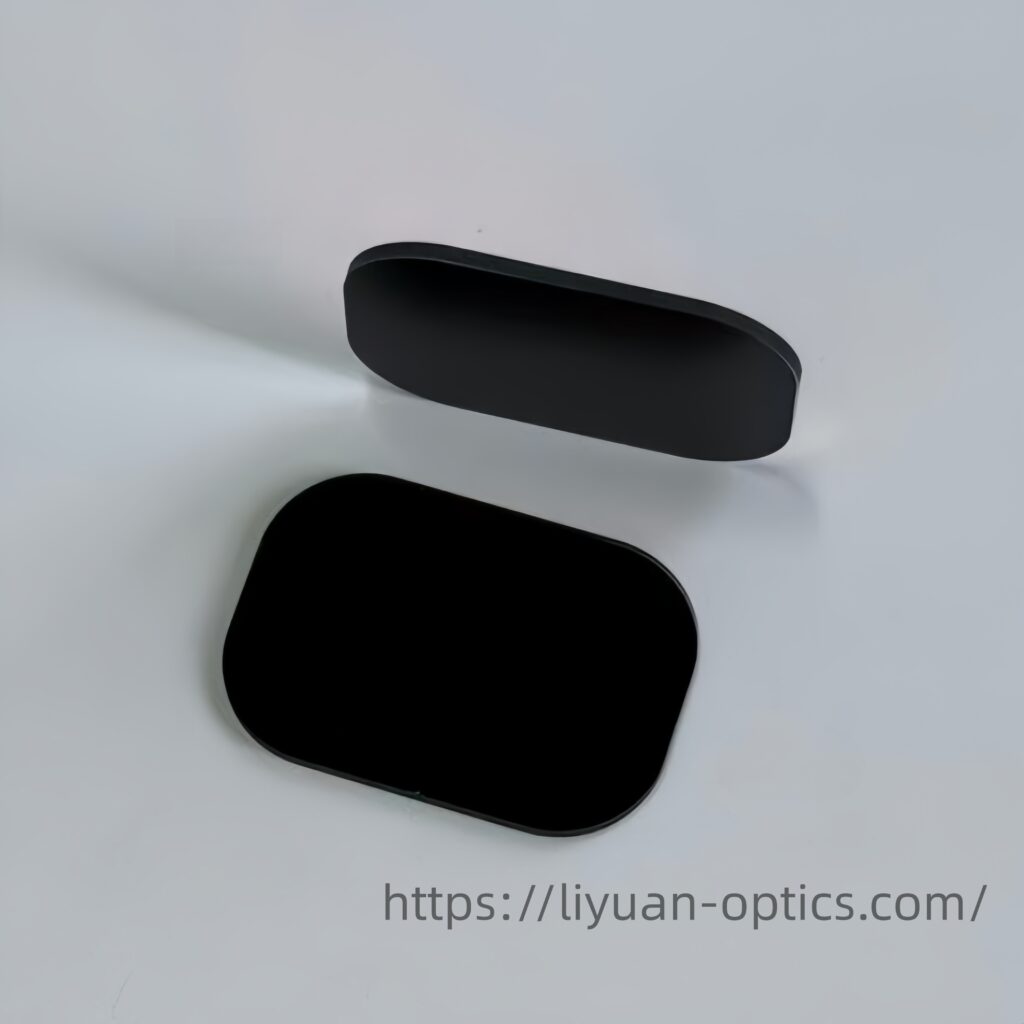
| Product Name: | Black screen printed filter |
| Type: | Interference type filter |
| Color: | Black |
| Screen Printed: | 940nm NIR blocking ink |
| Shape : | Rectangle or customized |
| Dimension(in mm): | Customized |
| Thickness(mm): | 1.0mm |
| Material: | Optical Glass |
| Spectral range: | 380-1100nm |
| Remark:Support custom black screen printed for different optical glass substrates. | |
What are the main functions of screen printing on Optical Filters?
Screen printing on optical filters creates precise light-blocking areas on the filter surface, helping improve camera image quality.
Manufacturers use specified black ink rather than ordinary printing ink. This ink absorbs unwanted light and reduces surface reflections.
The printed pattern separates the filter into two main areas: the outer black area blocks stray light, while the unprinted center allows light to pass through and forms the imaging window.
In addition to improving optical performance, screen printing also enhances the product’s appearance and provides positioning or identification marks.
Related products:
IR650 , 650nm Infrared cut-off Filter, Lens Filter, Support Customized
Shenzhen Hengda Liyuan Optoelectronics introduced advanced optical vacuum technology that apply depositing nano-materials through ion-assisted evaporation onto a multilayer hard film in a high vacuum environment, which the coating layer is firm and has good tightness and small bandwidth drift. The company have been focus on optical coating for more than 17 years ,and the company offer one-stop optical filters solution including Narrow Bandpass Filters, IR cut-off Filters, Longpass Filters, Shortpass Filters, Notch Filters, ND filters, Star filters and Optical sapphire block.
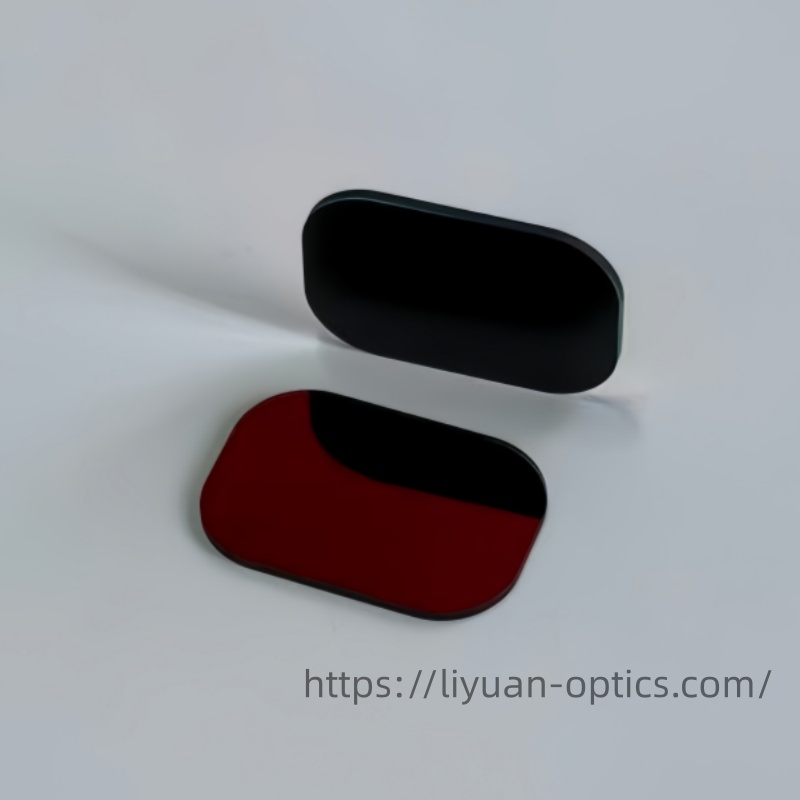
Remark:Because the interference type filter varies its spectral performance at different angles, the spectral parameters usually determine its appearance color; moreover, the pictures in this link may originate from various shooting angles, so the actual color of the parts should therefore refer to the final spectral parameters required.