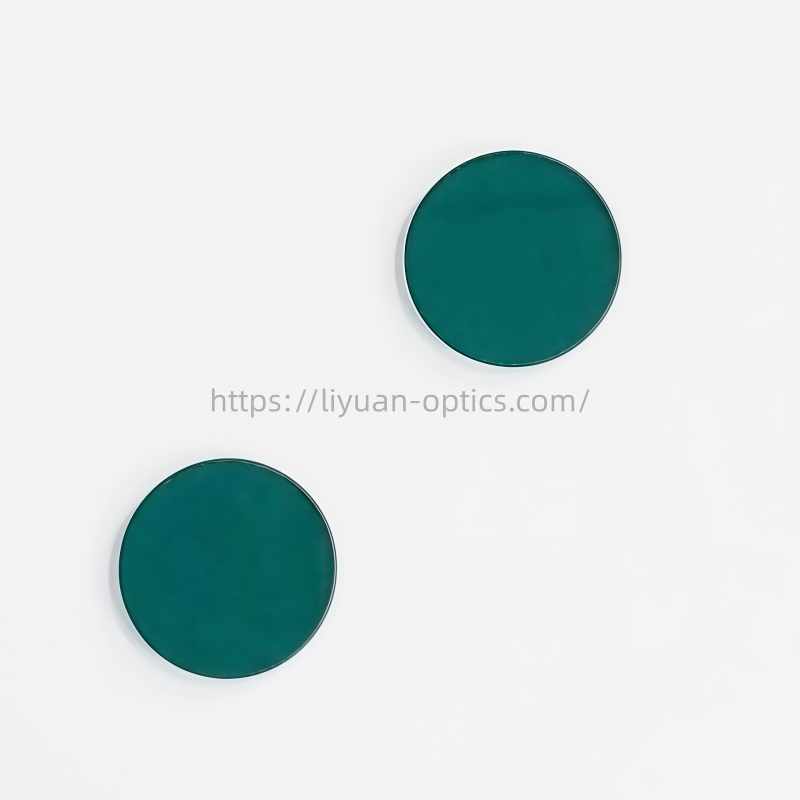
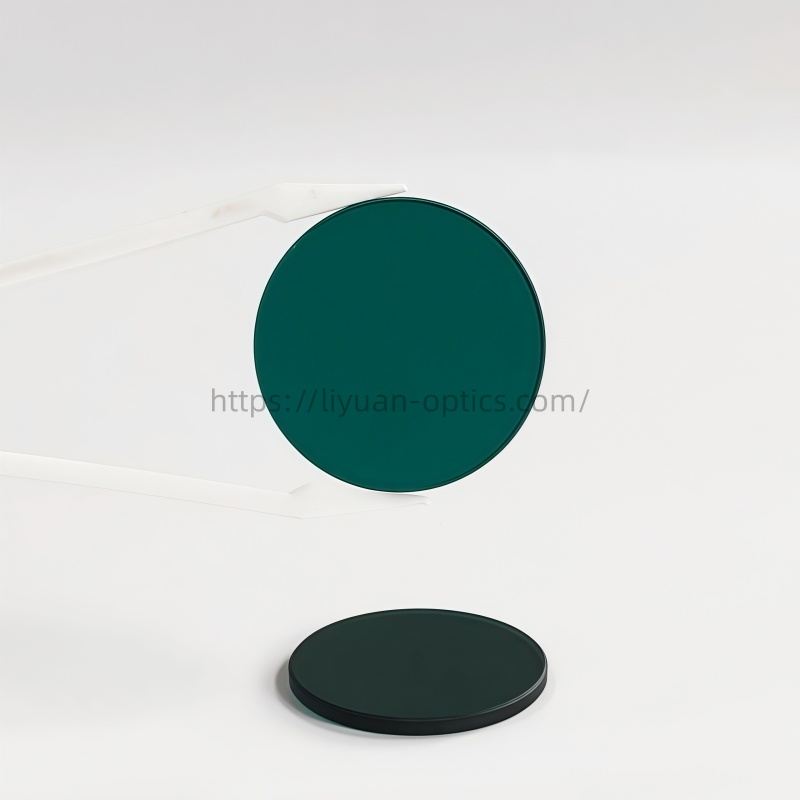
Product Descriptions:
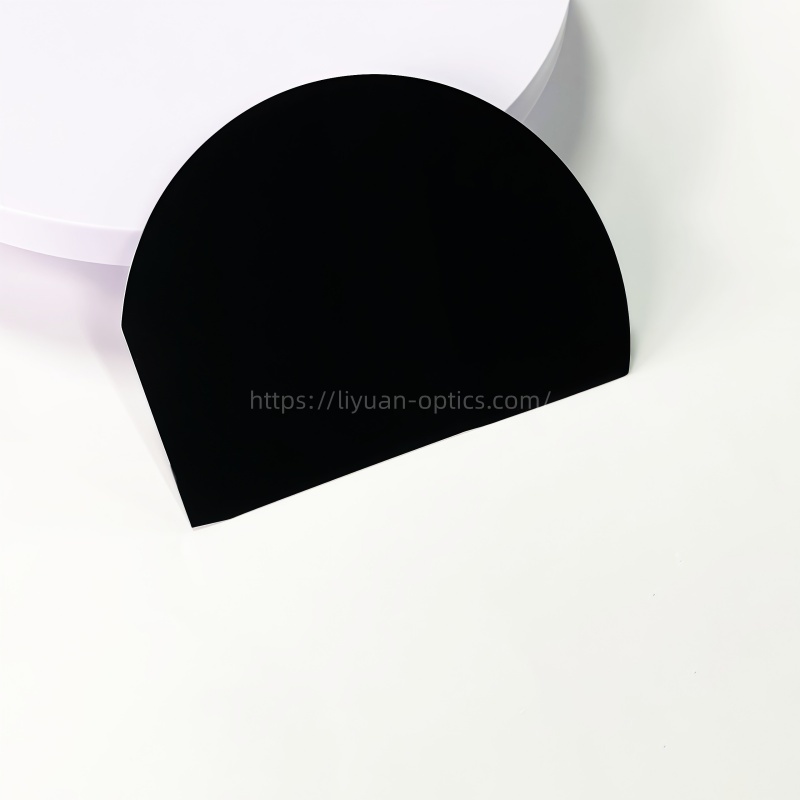
| Characteristics: | Plane Aluminum-Coated Mirror |
| Type: | Coated Filter |
| Wavelength: | Full spectral band reflection |
| Peak Transmittance(%) : | >95% |
| Angle of Incidence: | 0-45° |
| Surface Quality: | 60/40 scratch-dig |
| Coating Type: | Metallic Coating |
| Dimension(mm): | Specified** |
| Thickness(mm): | 0.2 ~ 2.0 mm |
| Substrate: | BK7 / K9 / Fused Silica |
| Remark: Spectral range:200-1100nm *Customized capability: 380-2500nm, stock for 10nm intervals. **Common for 86x86mm, 80x80mm, other can customized, max. 300x300mm *** Thickness available: 0.21、0.3、0.55、0.7、1.0、1.1、1.5、1.8、2.0、3.0mm…etc | |
What is A Plane Aluminum-Coated Mirror?
Plane Aluminum-Coated Mirror as an optical component, by depositing a thin layer of metallic aluminum onto a precisely polished planar substrate, typically optical glass. Engineers and researchers use it to redirect light beams, fold optical paths, and align laser systems while minimizing distortion to the wavefront.
What is typical application for Plane Aluminum-Coated Mirrors?
What is key parameter when choose for Plane Aluminum-Coated Mirror?
When selecting a plane aluminum-coated mirror, the spectral range and reflectivity will be the most critical parameter, determining compatibility with your light source and wavelength. Secondly, substrate material, the substrate determines mechanical strength, thermal stability, and transmission range. Third, surface flatness, this indicates how optically flat the surface is and directly impacts wavefront distortion. Forth, surface quality, this refers to the density and size of surface imperfections. Fifth, coating type, e.g., protected aluminum, unprotected aluminum, enhanced aluminum. Sixth, dimensions and mechanical tolerances. Seventh, angle of incidence (AOI).
Shenzhen Hengda Liyuan Optoelectronics introduced advanced optical technology that apply depositing nanomaterials through ion-assisted evaporation onto a multilayer hard film in a high vacuum environment which coating layer is firm and has good tightness, and small bandwidth drift.
Other typical Reflective Mirror products in stock from Liyuan Optoelectronics include 400-700nm visual light reflector, 650nm reflector, 780nm reflector, 905nm Laser steering reflector, 1550nm reflector, etc.