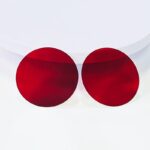
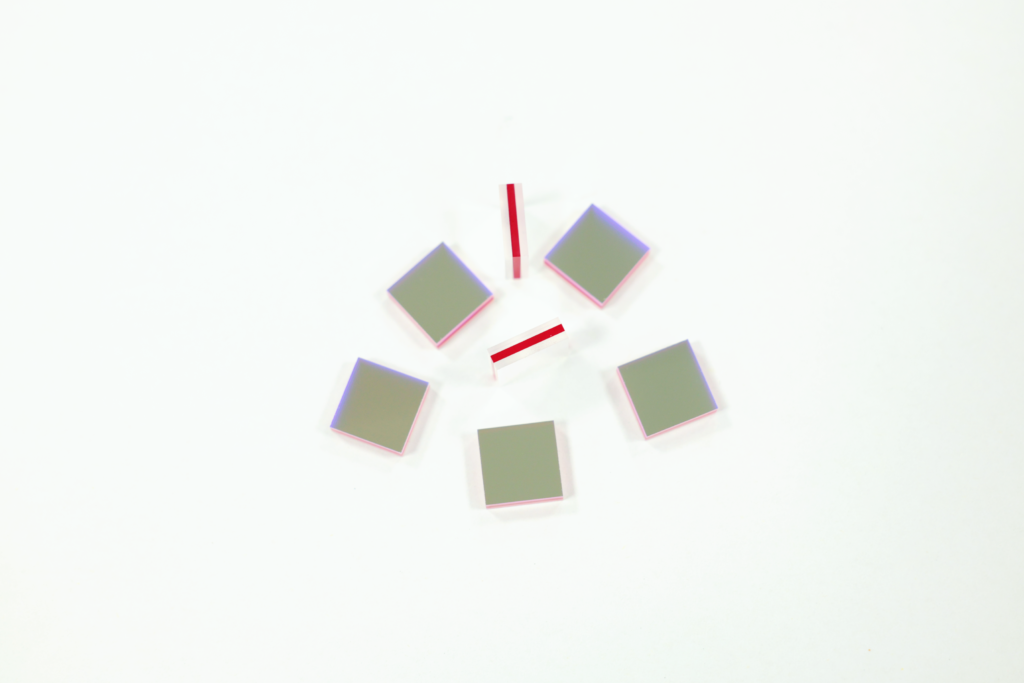
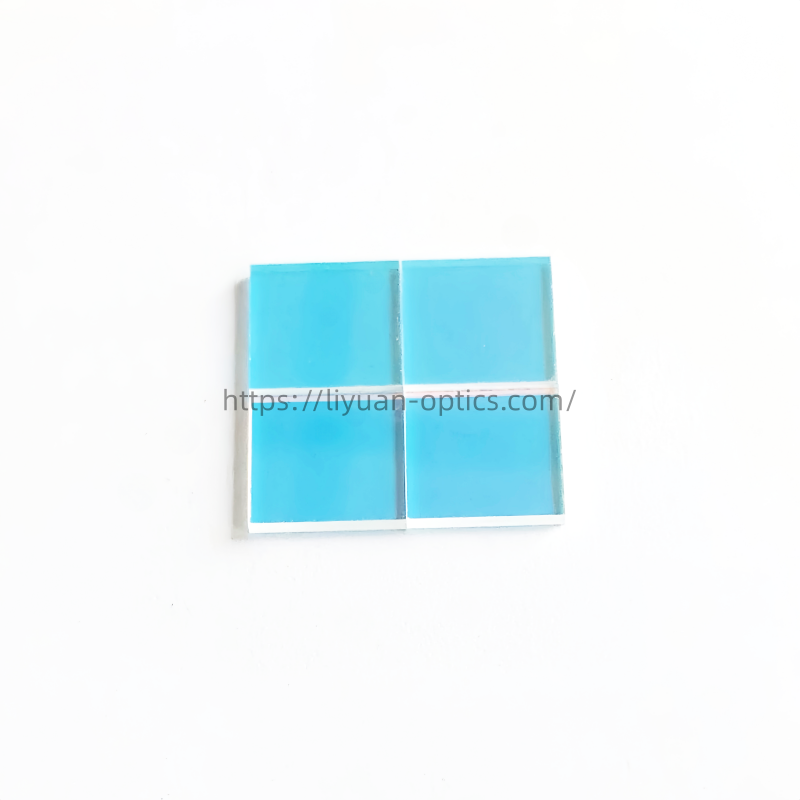
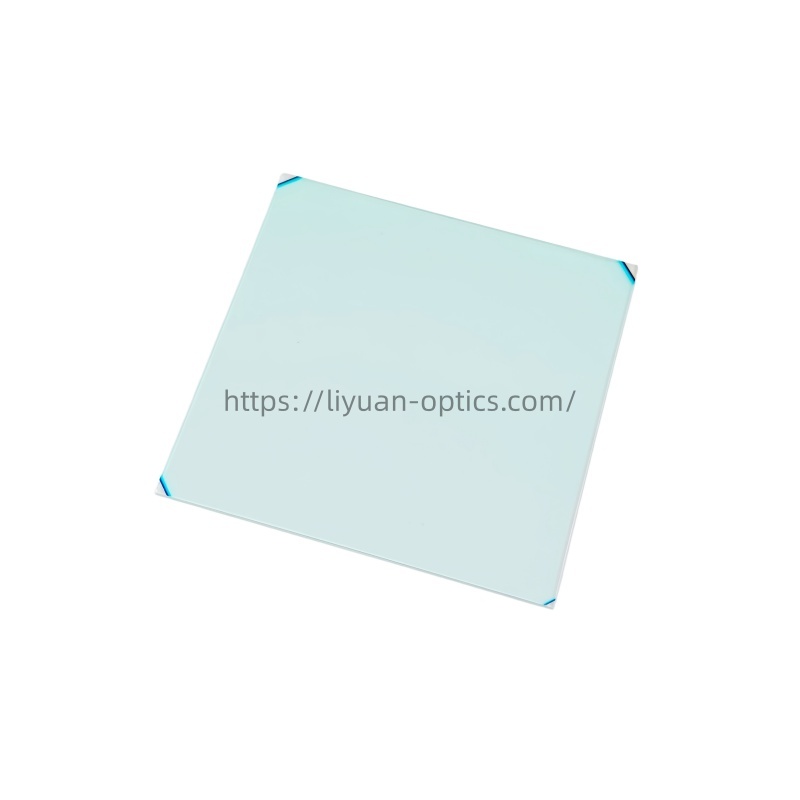
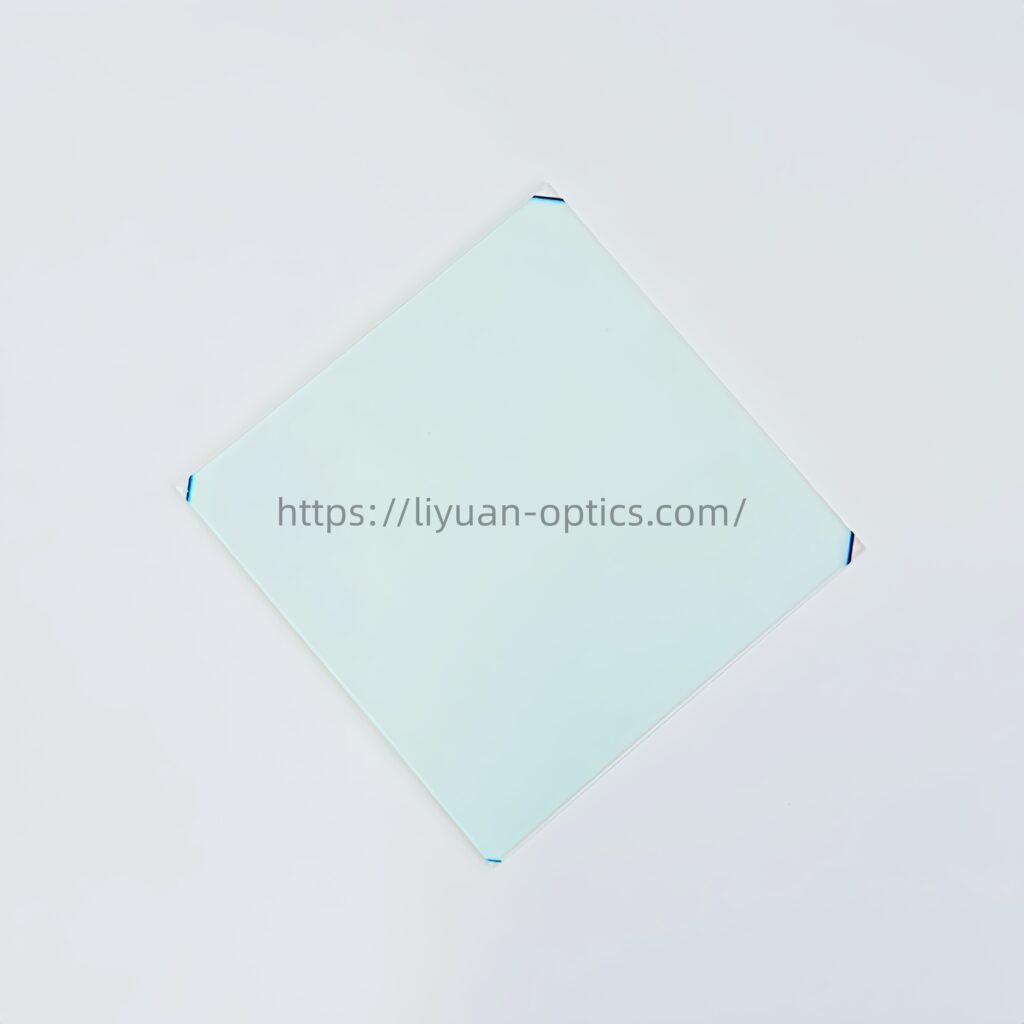
The 670nm longpass filter finds wide application in fluorescence imaging systems such as microscopy, flow cytometry, and in-vivo imaging, where it separates red/near-infrared emission, improves contrast, and enhances the signal-to-noise ratio. It also plays a key role in industrial machine vision, optical sensing, environmental monitoring, material inspection, agricultural detection, spectral analysis, laser equipment, medical aesthetic instruments, and astronomical observation, where it filters out short-wavelength interference, enhances red/near-infrared feature recognition, and ensures system accuracy and performance.
5.What is key parameter when choose for right Longpass Filter?
When selecting a Longpass Filter, normally the following factors need to be taken into consideration:
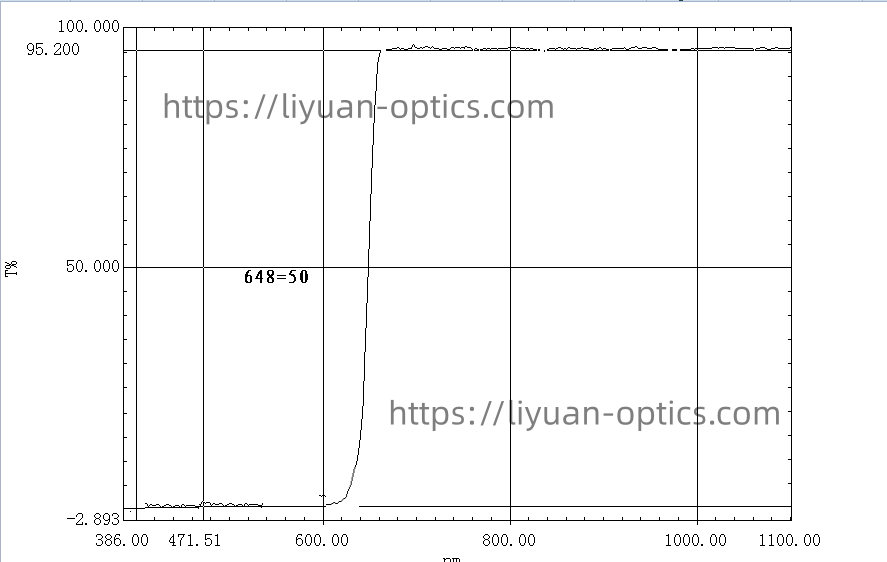
- Cut-Off Wavelength: it is one of the most important parameters, typically defined as the wavelength transmittance at 50% .
- Average or Peak transmittance: usually average transmittance ≥90%, higher transmittance e.g. 92% or 95% on average or specific single point need to definite and communicate with manufacturer, higher transmittance need to additional AR coating.
- Blocking rate: usually expressed in terms of optical density(OD), OD2-OD3 for standard and higher will be OD4-OD6 per requirement
- Angle of Incidence (AOI): AOI need to be consider as Interference Filter is angle sensitive, 0° AOI by default, other AOI e.g. 30/45° need to be specified.
- Physical and environmental requirement: Substrate type, dimensions and thickness, surface quality, and environmental durability.