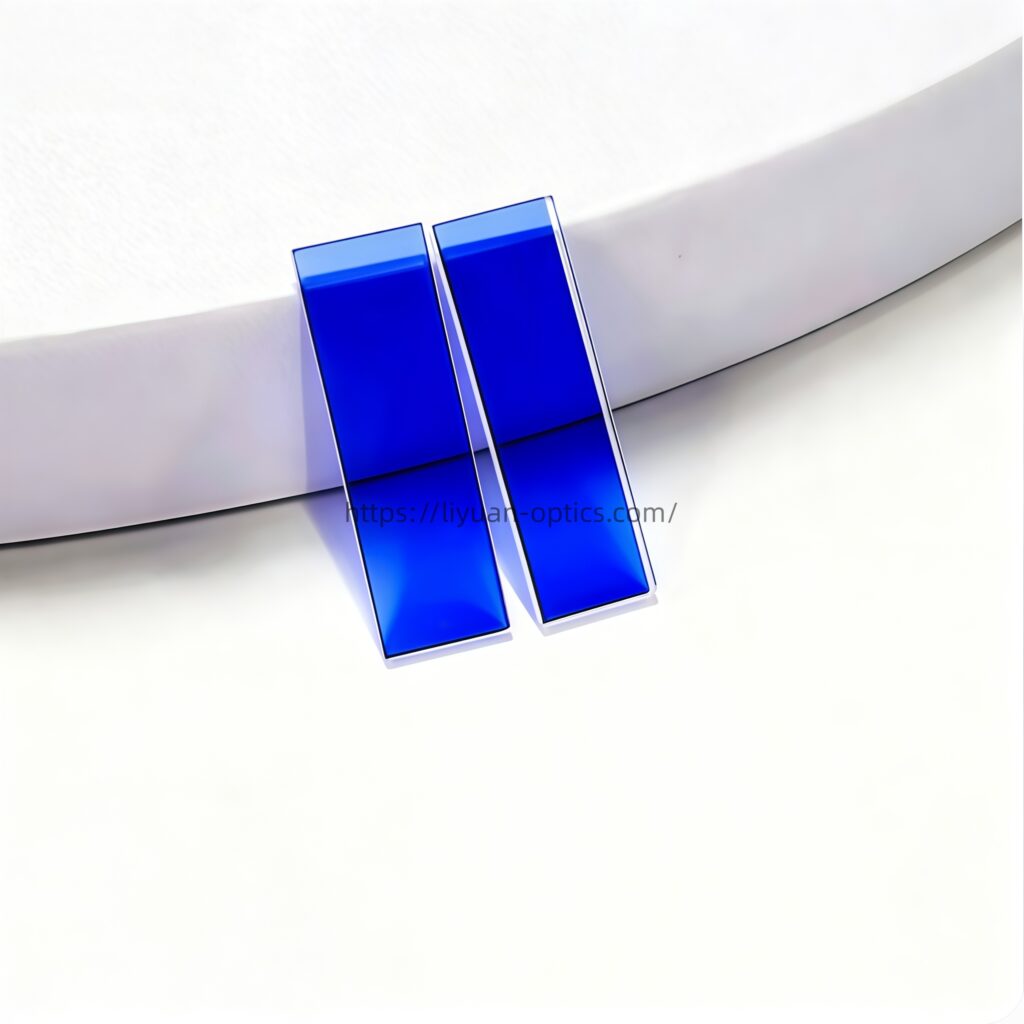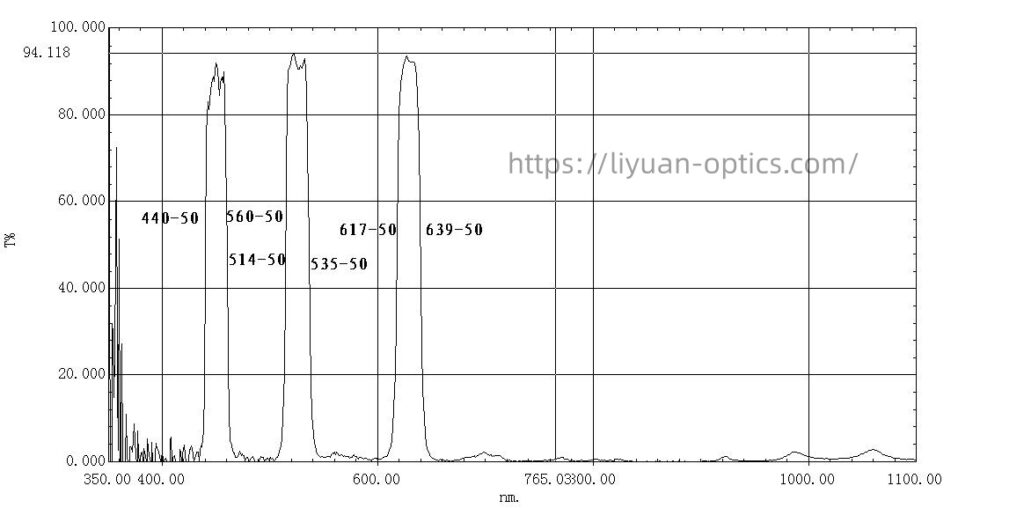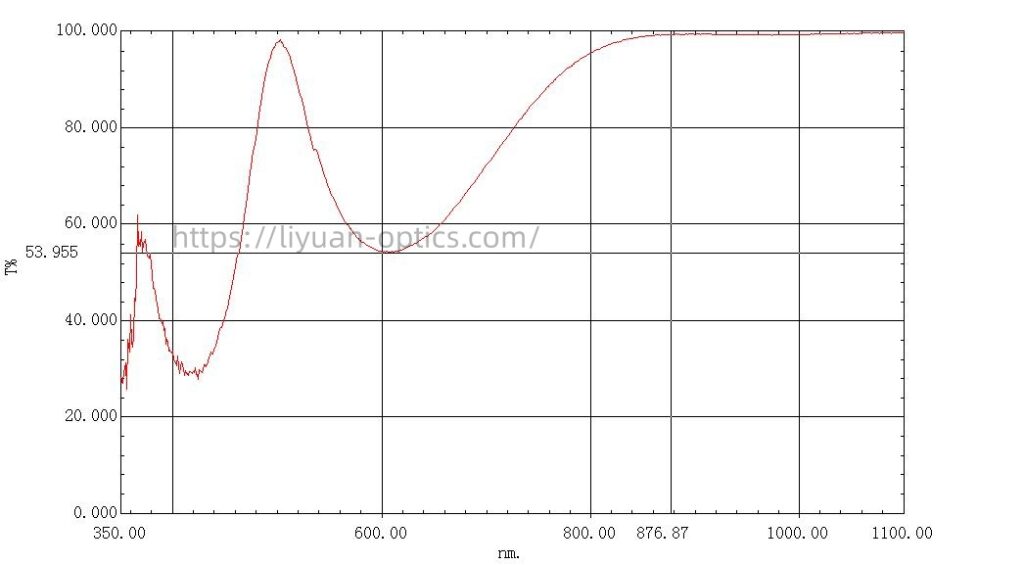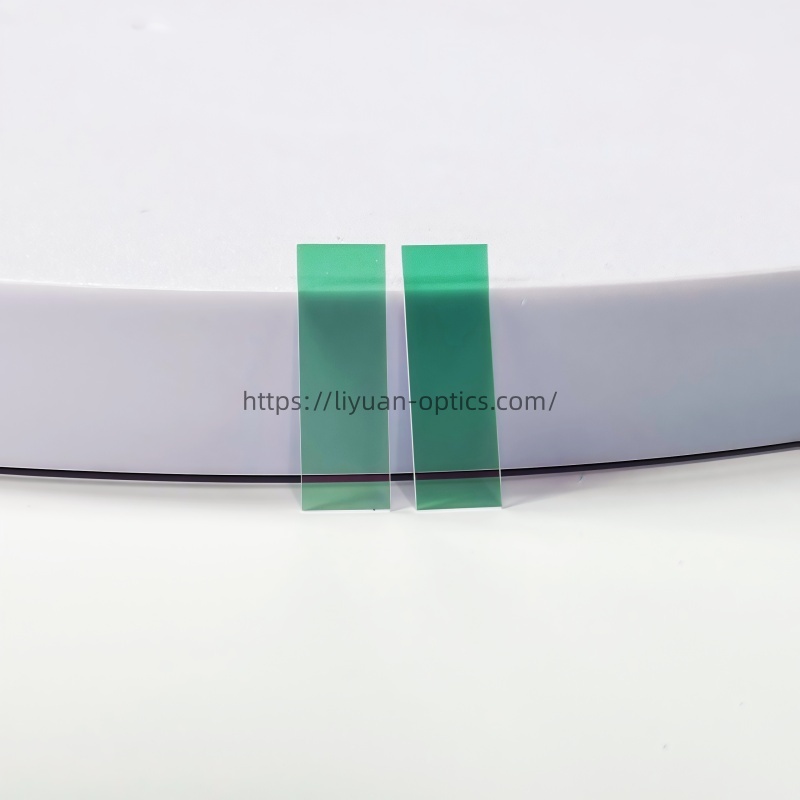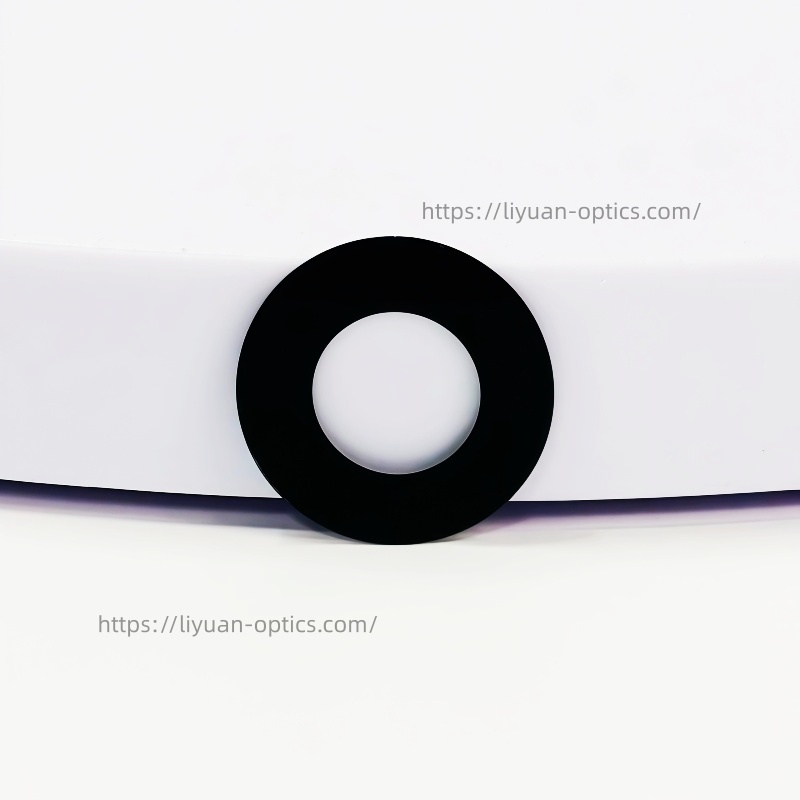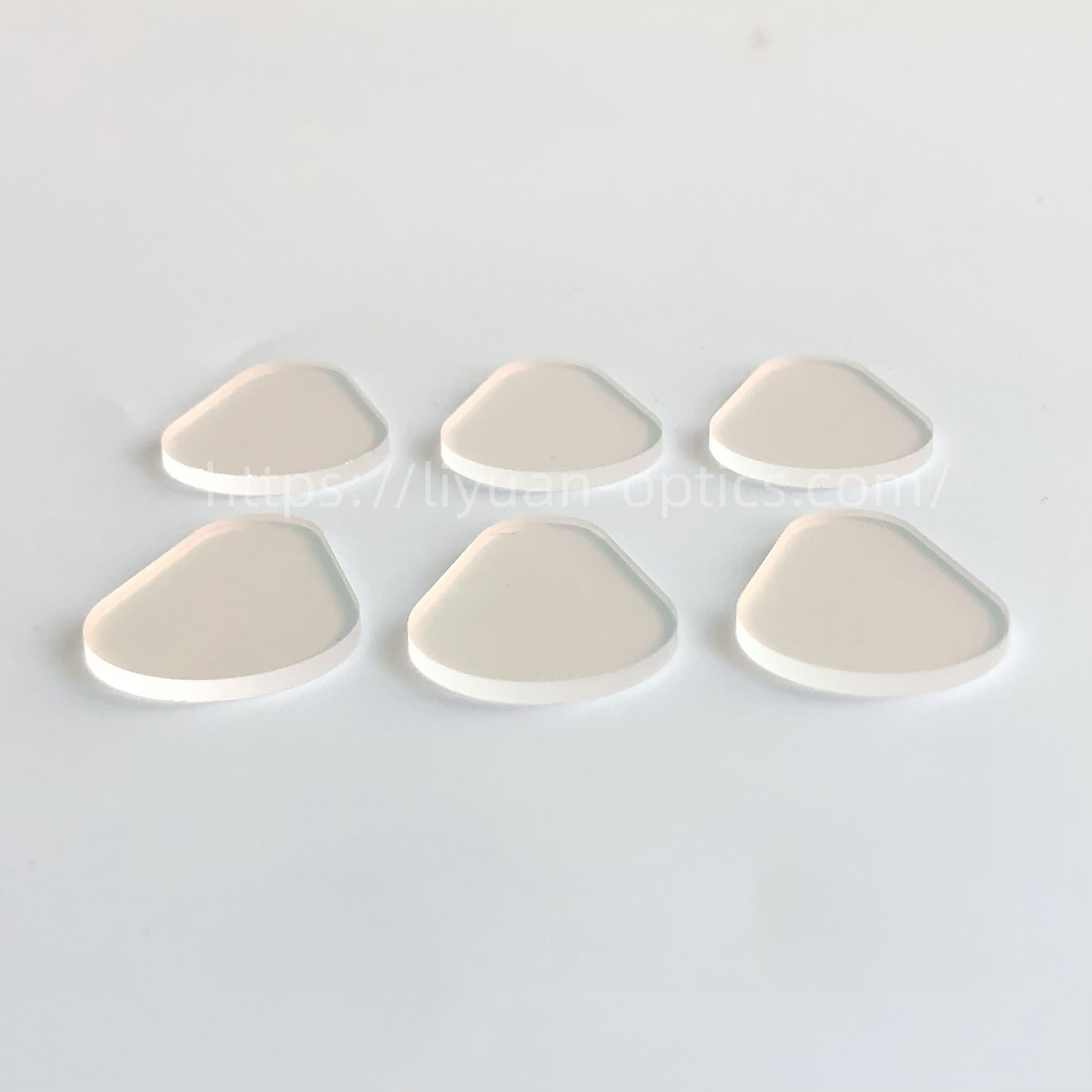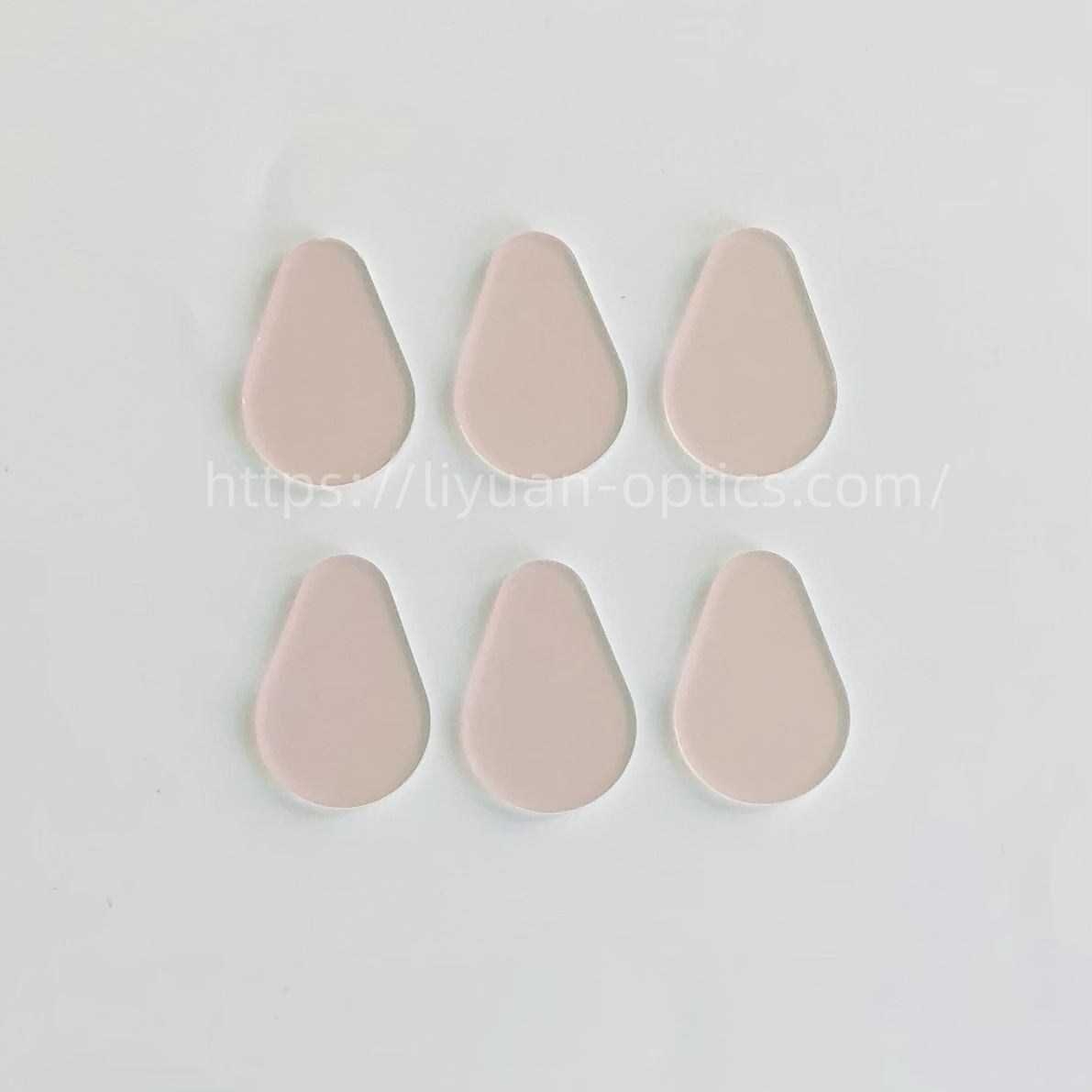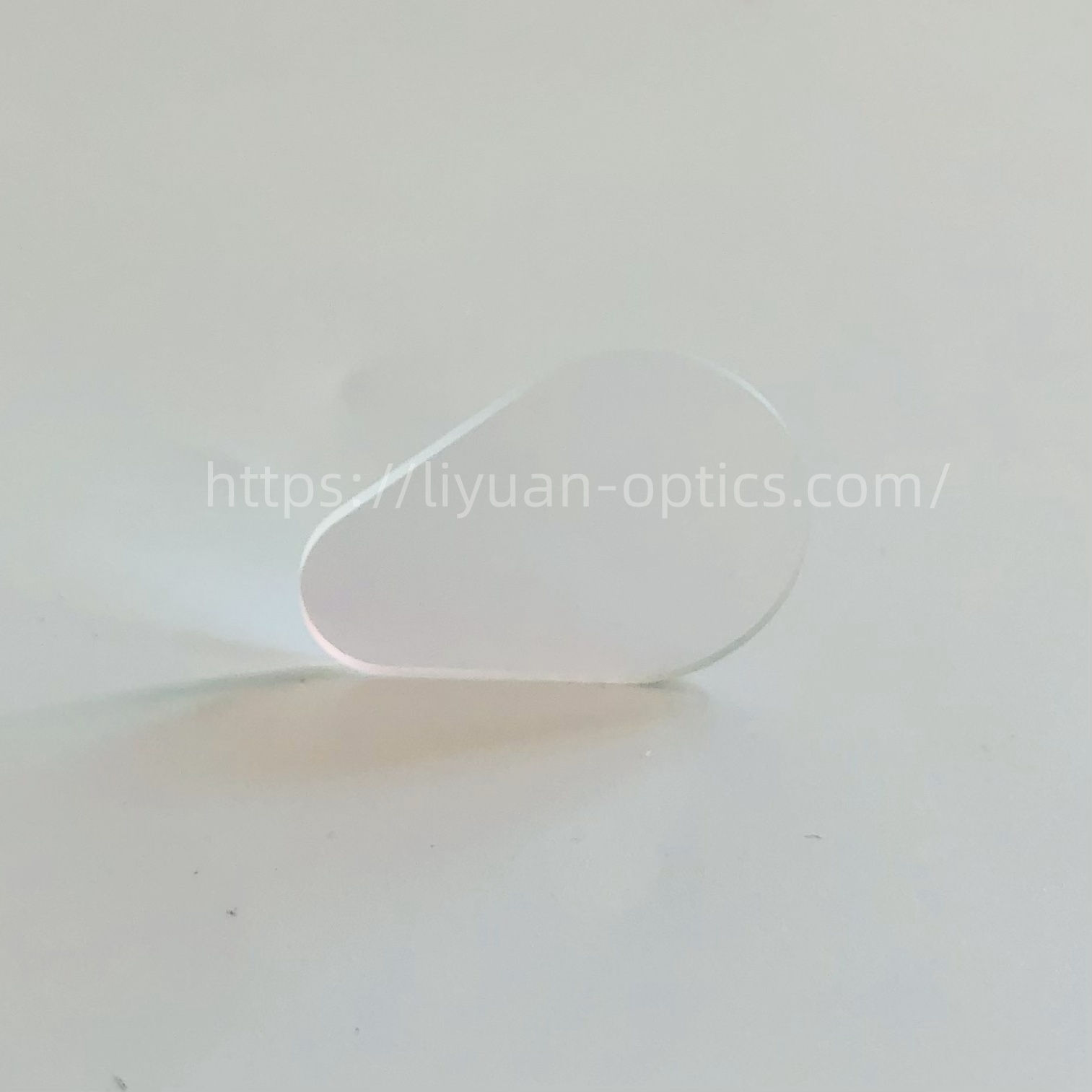
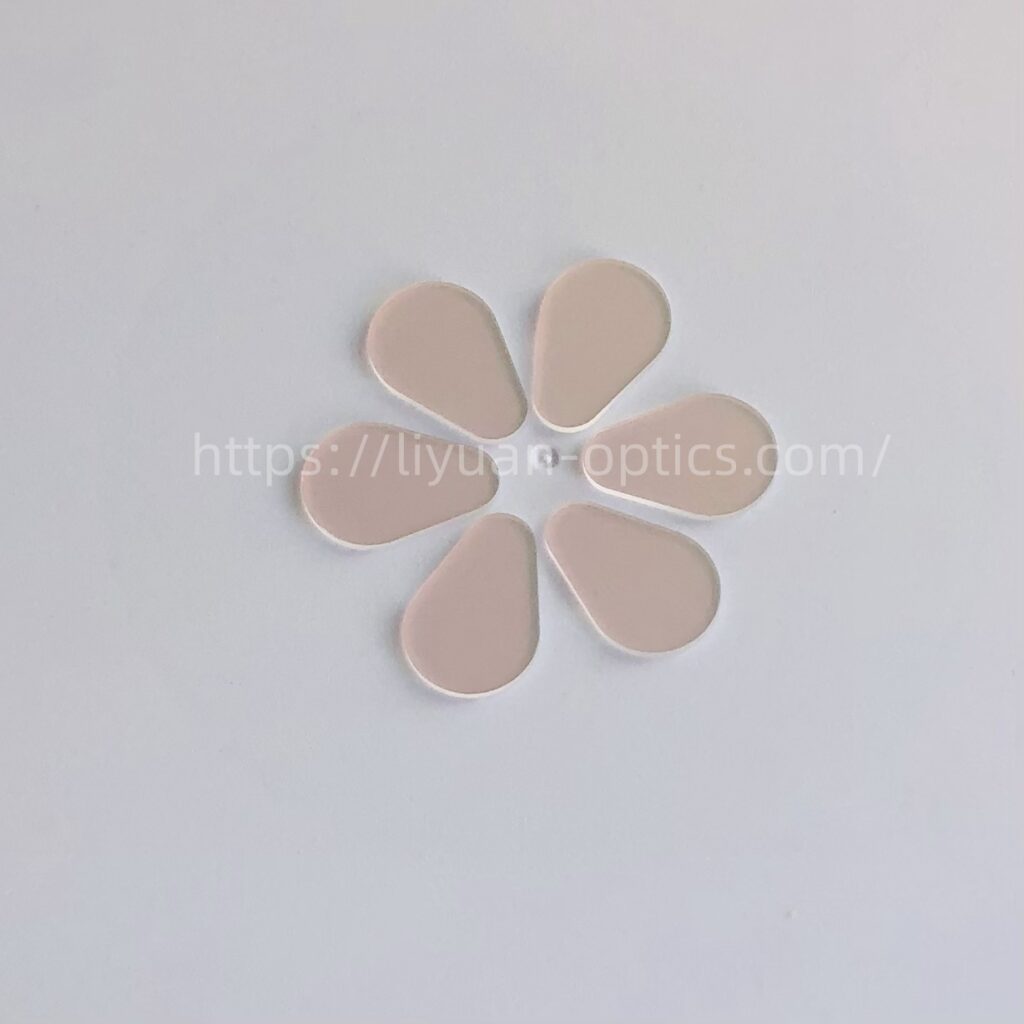
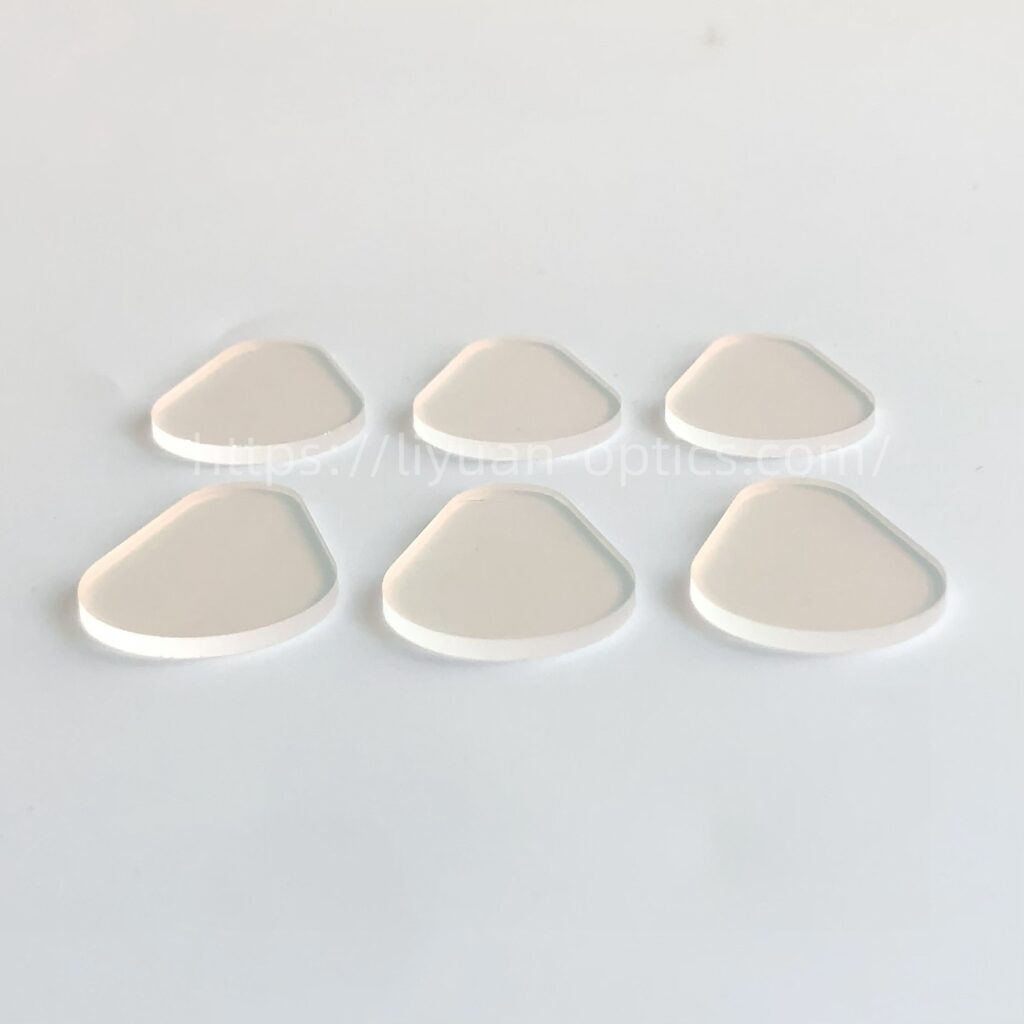
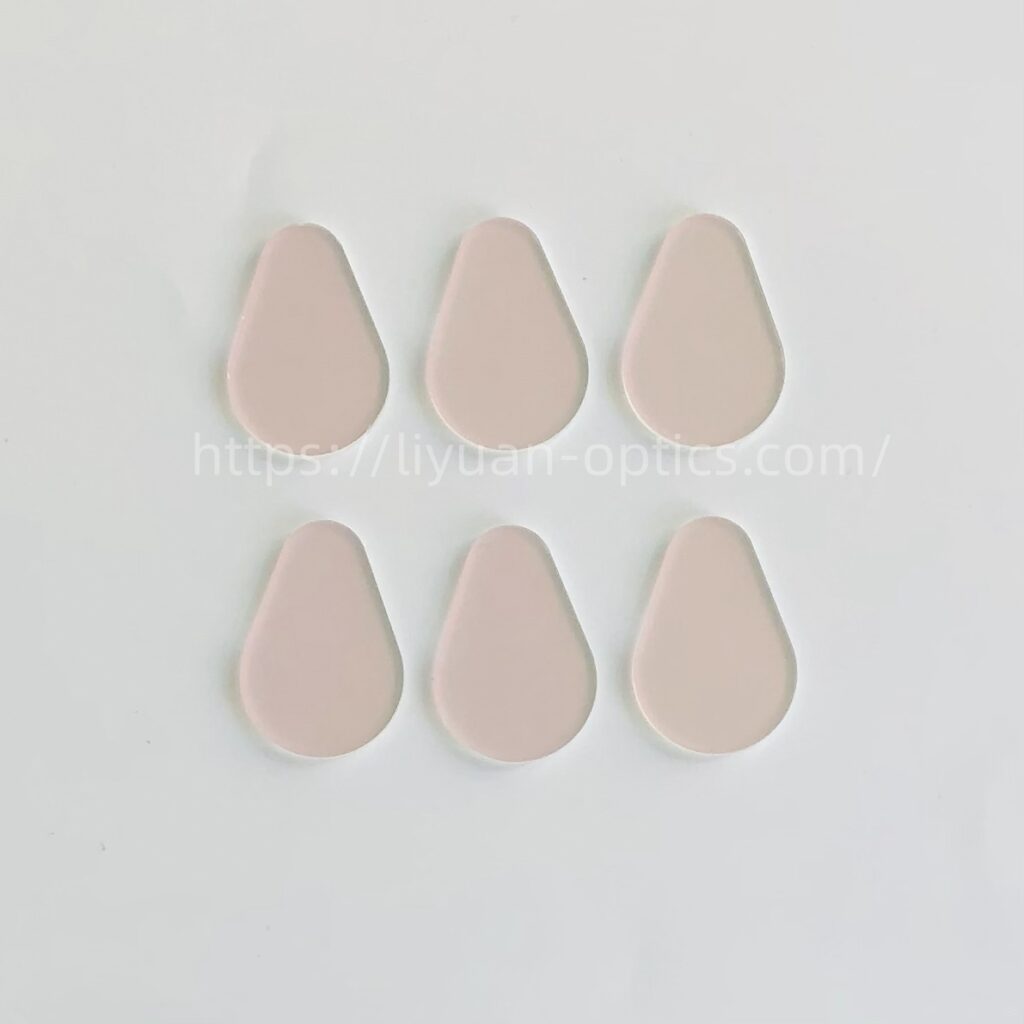
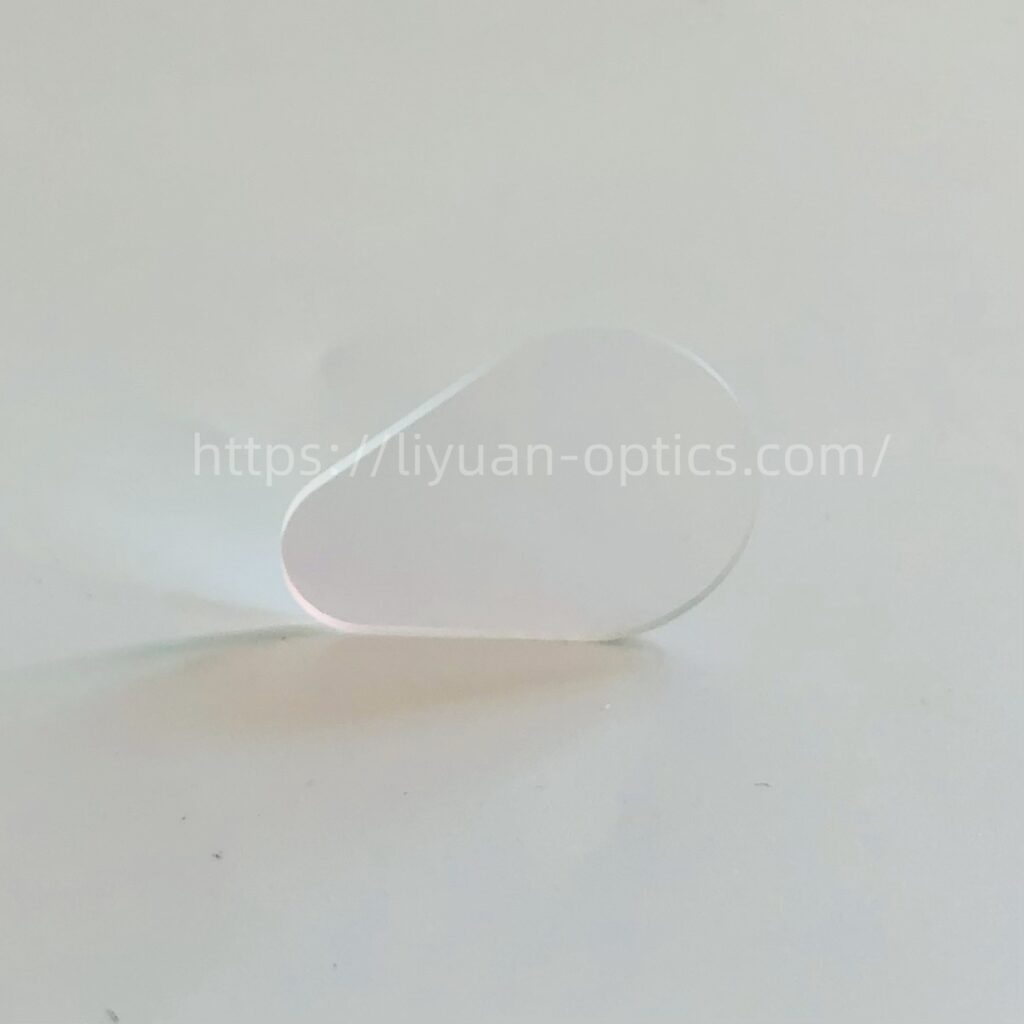
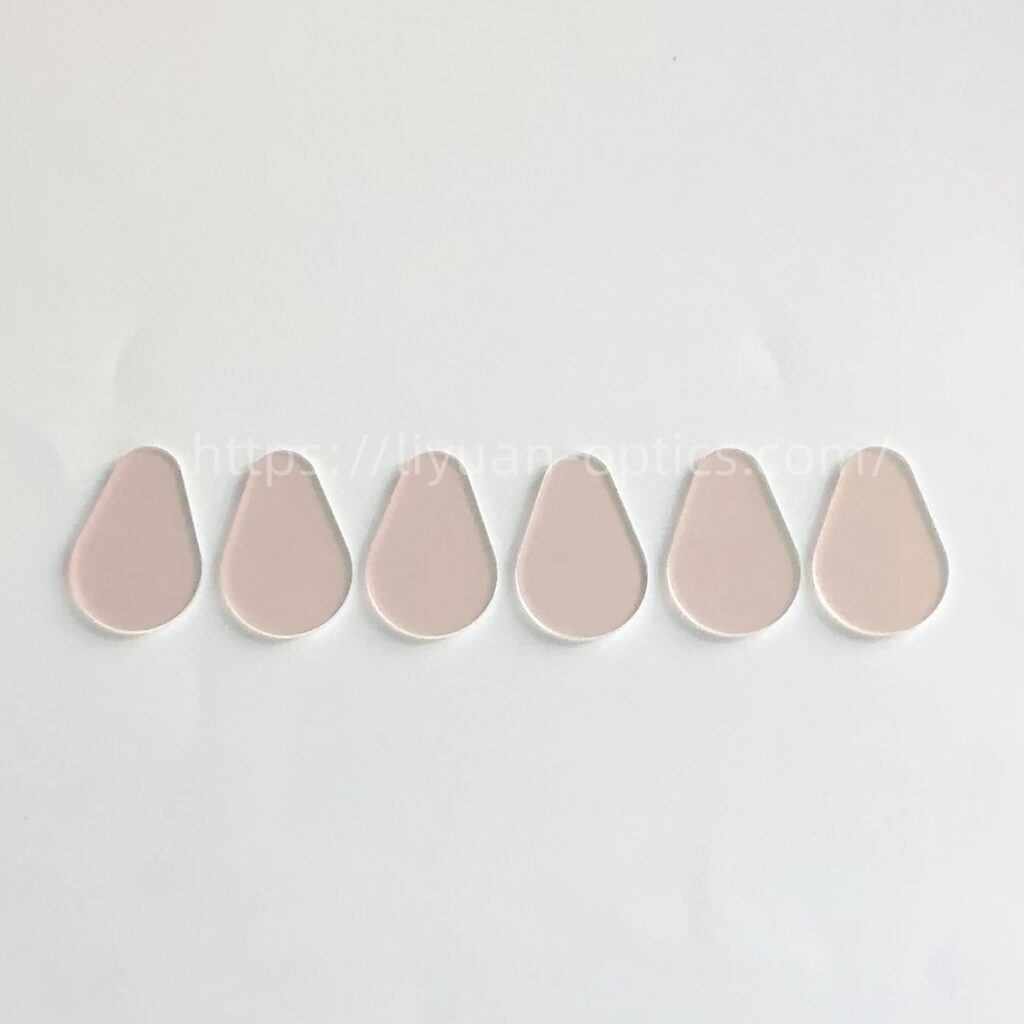
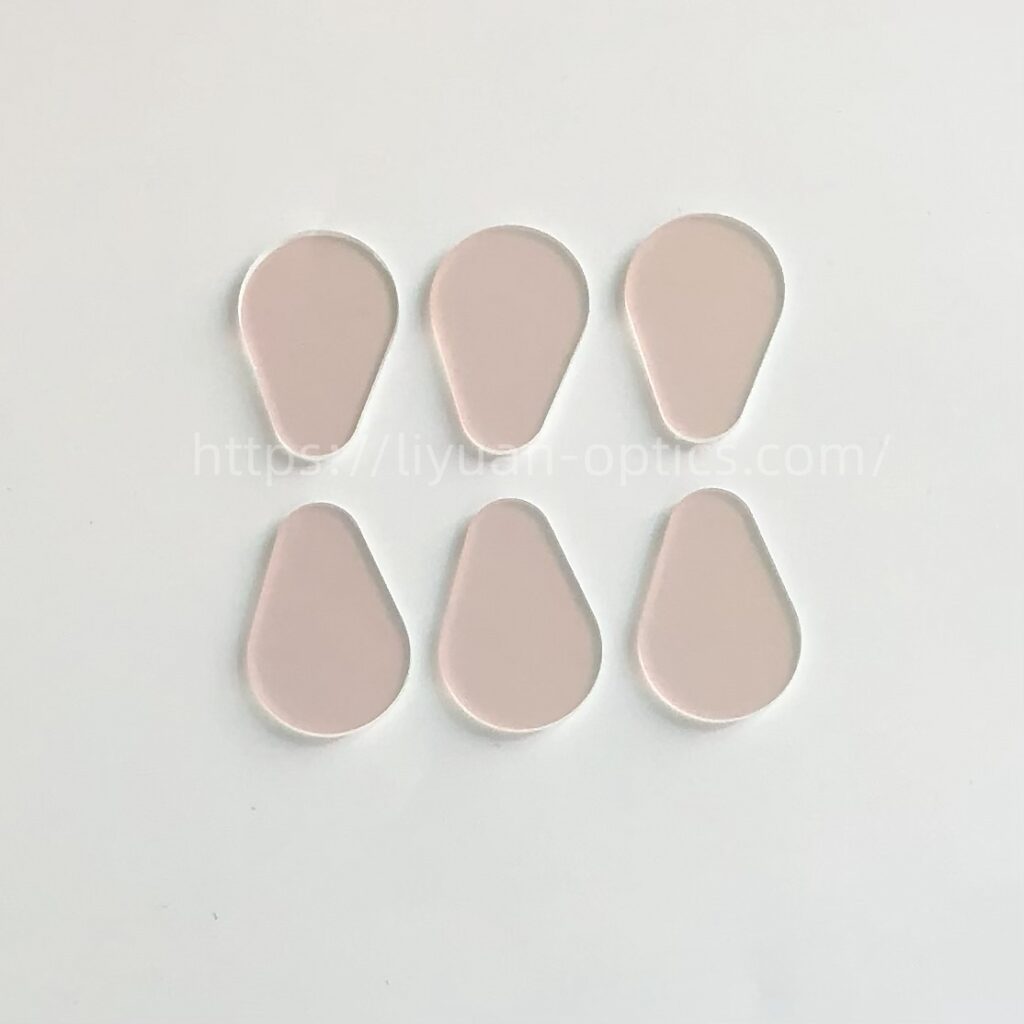

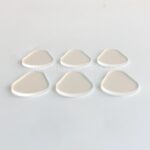


Product descriptions:
| Characteristics | Quartz Glass |
| Material | Quartz Glass or Fused Silicon: JGS1, JGS2 and JGS3 |
| Size ( in mm) | Customized |
| Thickness(in mm) | 1.85mm |
| Polishing | Double side |
| Surface quality | 60-40 |
What’s Advantage and Disadvantage of Quartz Glass material:
- Advantages: Main component is silicon dioxide, with high purity; can withstand high temperatures, up to 1100 degrees Celsius, has good thermal stability, does not easily crack upon rapid cooling or heating; has high hardness, more wear-resistant; has a wide range of light transmission wavelengths, can transmit ultraviolet rays, and is resistant to acid and alkali corrosion.
- Disadvantages: The manufacturing process is complex, the cost is high, and the price is expensive due to its high hardness, the processing is very difficult.
What’s the typical application for Quartz Glass as a Optical Glass substrates:
Due to its excellent light transmittance, especially in the ultraviolet wavelength range, high hardness and heat resistance, quartz glass is often used in optical instruments, laboratory equipment, medical beauty devices and special ultraviolet light sources and other equipment.
Shenzhen Hengda Liyuan Optoelectronics introduced advanced optical technology that apply depositing nanomaterials through ion-assisted evaporation onto a multilayer hard film in a high vacuum environment which coating layer is firm and has good tightness, and small bandwidth drift. Liyuan optoelectronics have been focus on optical coating for more than 17 years and offer one-stop optical filters solution including Narrow Bandpass Fitlers, IR cut-off Filters, Longpass & Short Filters,Notch Filters, ND filters, Star filters and Optical sapphire block.
Typical optical filters substrates available from Liyuan Optoelectronics include Ultra-clear glass, Quartz Glass, Borosilicate-crown glass BK7/K9, Soda-lim glass B270, Gorilla Glass, Optical Sapphires, PMMA acrylic…etc.