

1.Product Descriptions:
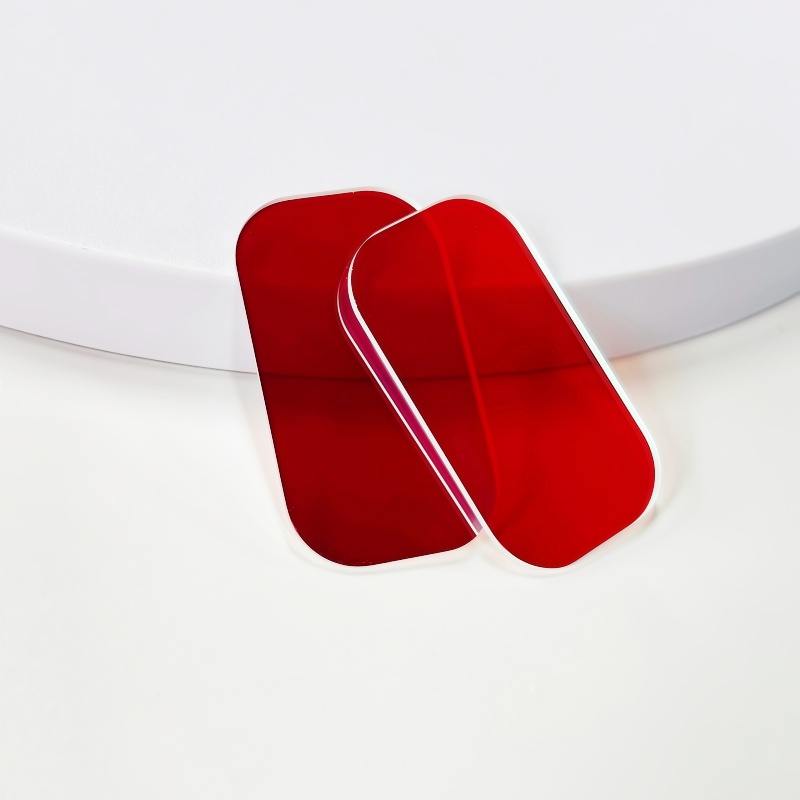
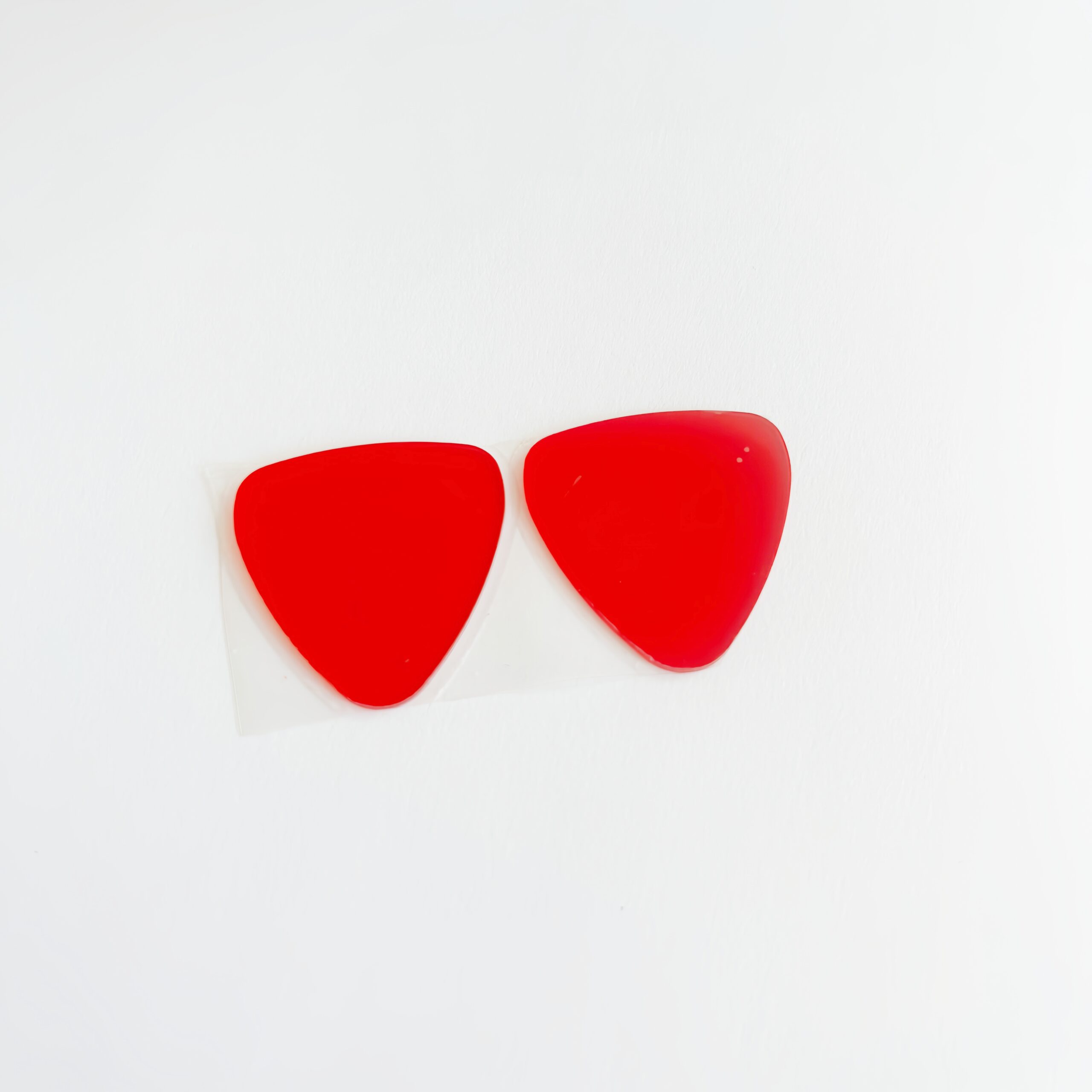
| Characteristics: | Acrylic filter – LP600nm longpass filter |
| Cut-off Wavelength (in nm): | 600nm |
| Transmittance: | >95% |
| Type: | Cut-off types |
| Optical Density (OD): | OD2 – OD3 |
| Shape: | Round, Square, Custom Shape |
| Color: | Red |
| Surface Quality: | 60/40 scratch-dig |
| Dimension**: | Φ16mm |
| Thickness**: | 1.0mm |
| Substrate: | PMMA Acrylic |
| Remark: *other available wavelength: 840nm、940nm **Dimension and thickness can be customized | |
2.Spectral curve
 |
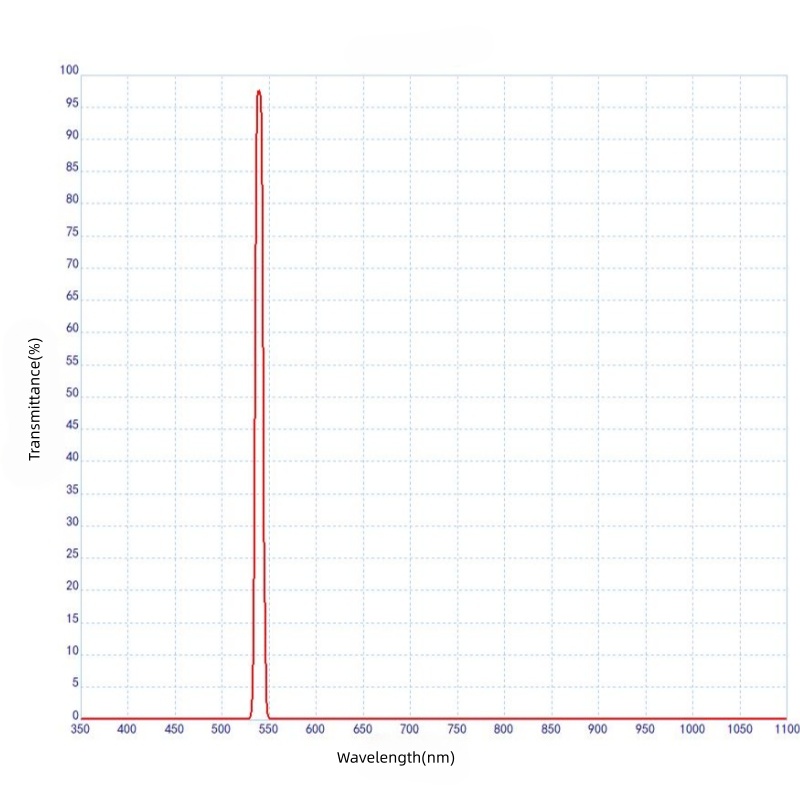
picture 1: LP600nm infrared light pass acrylic filters spectral curve |
3.What’s An Acrylic filter?
Manufacturers create acrylic filters using PMMA, also known as organic glass, as the substrate. They add dyes, pigments, or apply optical coatings to the surface. These processes enable the filters to selectively transmit or block specific wavelengths of light. We typically classify them into infrared, ultraviolet, neutral density, and diffused filters.
4.What is typical application for Acrylic filters?
Typical application of acrylic filters are Security surveillance, biochemical analyzers, medical displays, car dashboards, display screens, car lamp filters, mobile phones and tablets, stage lighting effects, photography and optical equipment …etc.
5.What is key parameter when choose for right Acrylic filters?
When selecting acrylic filters, we need to consider the following parameters:
Transmission and Cutoff Bands: Confirm the cutoff wavelength and the starting wavelength of transmission for the filter.
Transmittance: Within the target operating band, higher transmittance results in lower signal loss. High-quality acrylic filters typically achieve a transmittance of over 90% within their designed band, and some can even reach 95%.
Thickness: Thickness not only affects the mechanical strength of the filter but also directly impacts transmittance. Generally, as thickness increases, transmittance decreases slightly.
Environmental Durability: Acrylic materials may experience yellowing or performance degradation under prolonged ultraviolet exposure or high-temperature environments.
Surface Hardness and Scratch Resistance: Acrylic is relatively soft and prone to scratching, with a typical hardness of around 2H.
Shenzhen Hengda Liyuan Optoelectronics introduced advanced optical technology that apply depositing nanomaterials through ion-assisted evaporation onto a multilayer hard film in a high vacuum environment which coating layer is firm and has good tightness, and small bandwidth drift. Liyuan optoelectronics have been focus on optical coating for more than 17 years and offer one-stop optical filters solution including Narrow Bandpass Filters, IR cut-off Filters, Longpass & Short Filters, Notch Filters, ND filters, Star filters and Optical sapphire block.