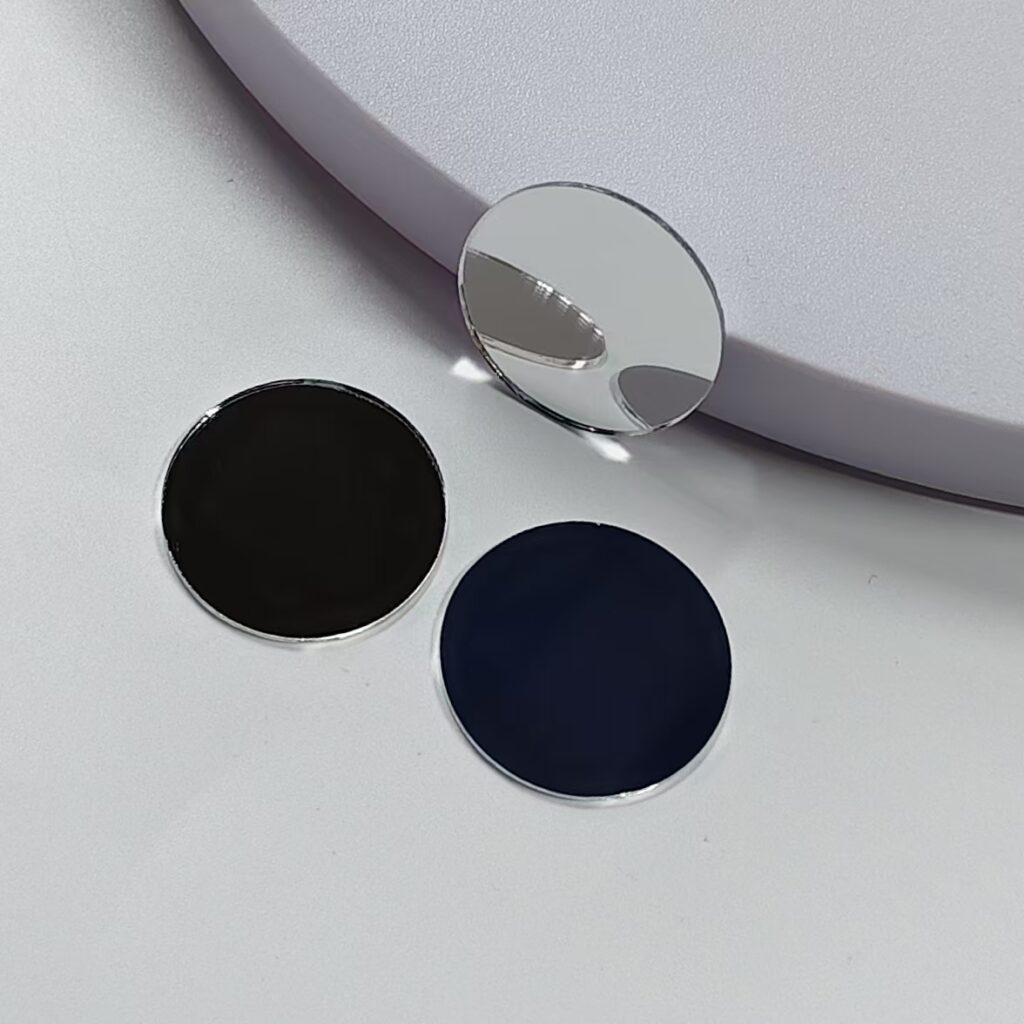
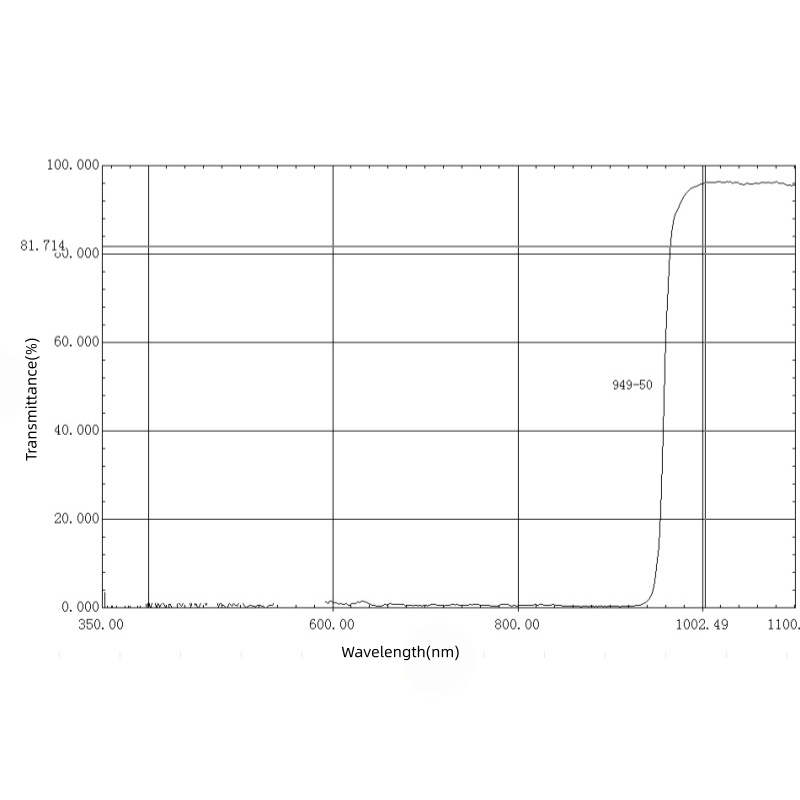
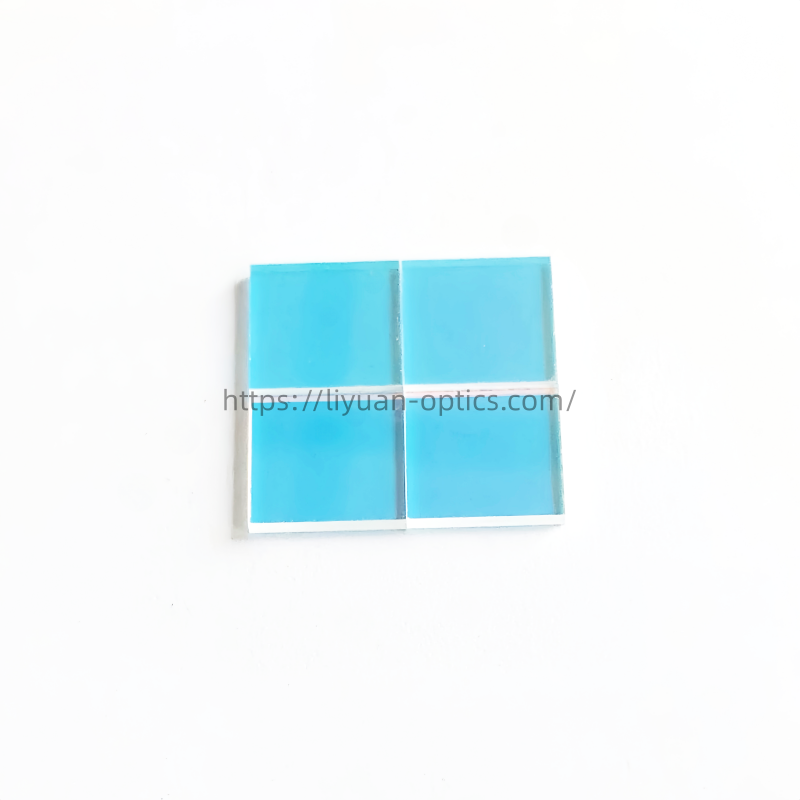
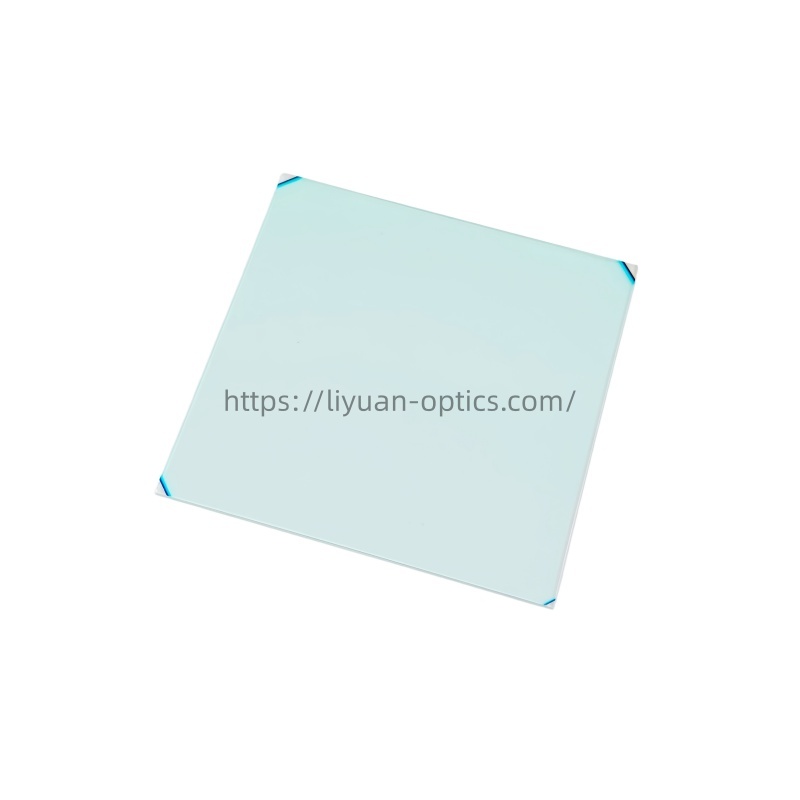
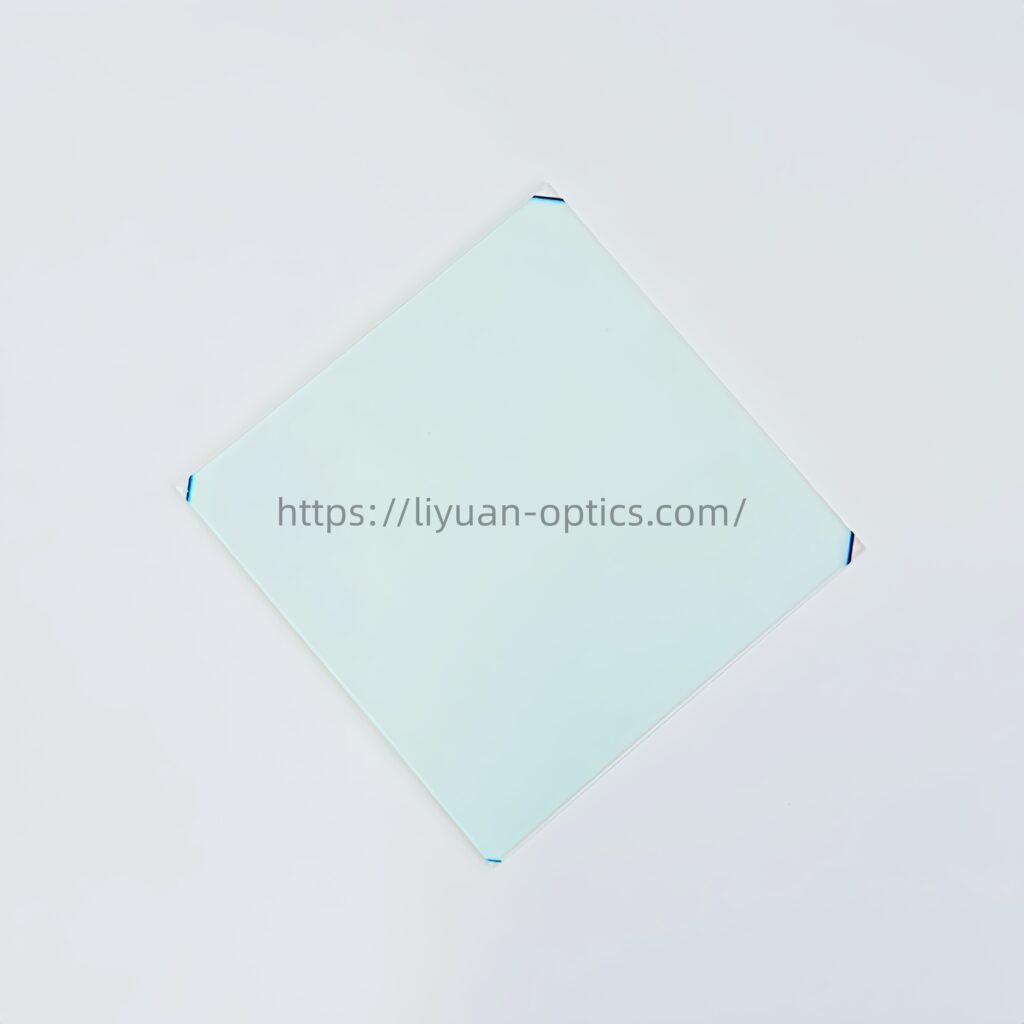
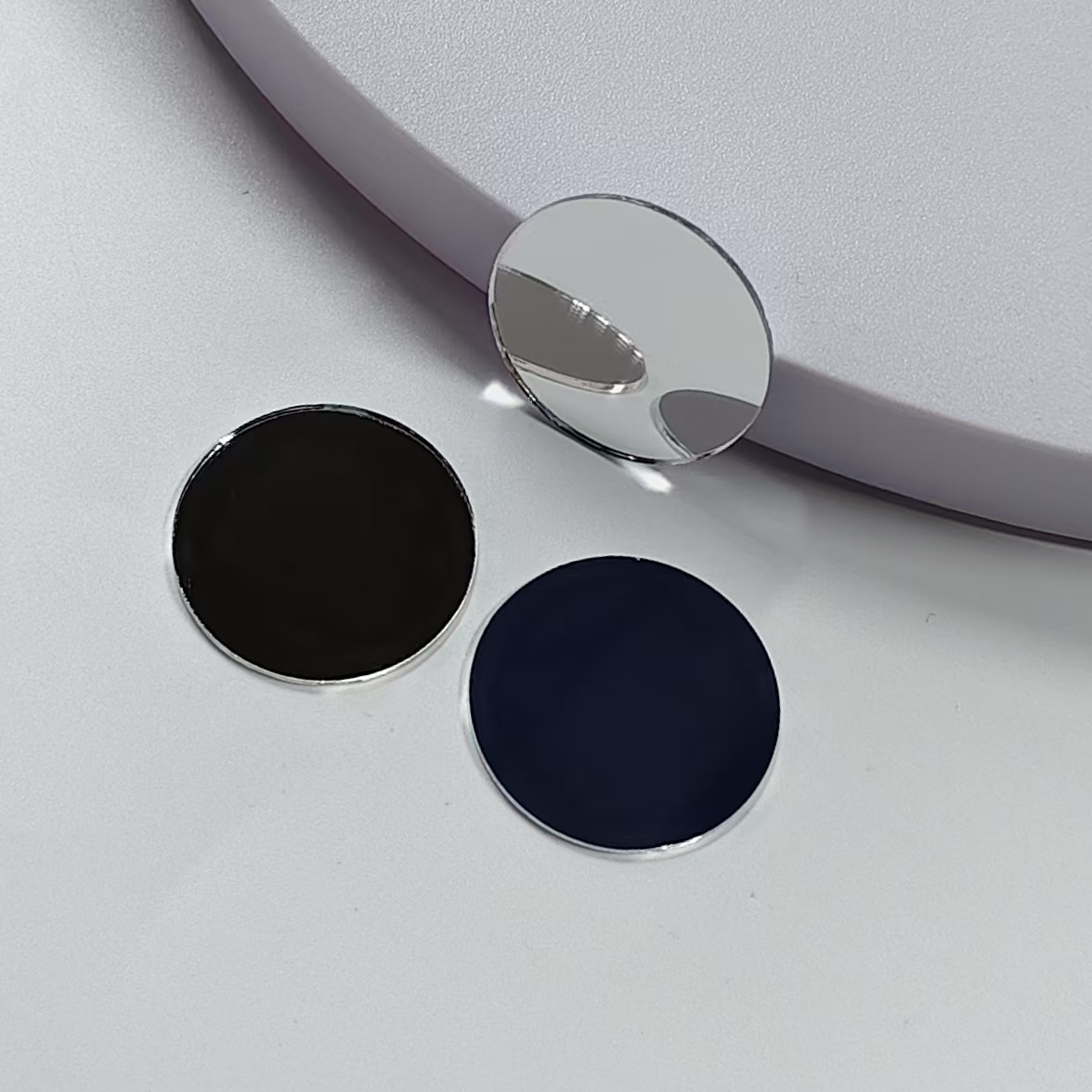
A 945nm longpass filter is an optical component that allows only light with wavelengths greater than 945nm to pass through, while effectively blocking or reflecting near-infrared and visible light with wavelengths shorter than 945nm. Typical applications of 945nm longpass filters:
- Intelligent Identification & Security: Used in facial and iris recognition with IR LED illumination to capture high-quality infrared images for better accuracy.
- Machine Vision & Industrial Inspection: Remove visible stray light to boost IR-band contrast, ensuring clearer and more reliable inspections.
- Scientific Research & Optical Instruments: Applied in fluorescence spectroscopy and Raman analysis to separate excitation light from signal light.
4.What is key parameter when choose for suitable Longpass filter?
When selecting a Longpass Filter, normally the following factors need to be taken into consideration:
- Cut-Off Wavelength: it is one of the most important parameters, typically defined as the wavelength transmittance at 50% .
- Average or Peak transmittance: usually average transmittance ≥90%, higher transmittance e.g. 92% or 95% on average or specific single point need to definite and communicate with manufacturer, higher transmittance need to additional AR coating.
- Blocking rate: usually expressed in terms of optical density(OD), OD2-OD3 for standard and higher will be OD4-OD6 per requirement
- Angle of Incidence (AOI): AOI need to be consider as Interference Filter is angle sensitive, 0° AOI by default, other AOI e.g. 30/45° need to be specified.
- Physical and environmental requirement: Substrate type, dimensions and thickness, surface quality, and environmental durability.
Related products:
LP900, 900nm Longpass Filter, OD2, AR coating, dielectric coating, NIR Filter for machine vision
Shenzhen Hengda Liyuan Optoelectronics introduced advanced optical vacuum technology that apply depositing nano-materials through ion-assisted evaporation onto a multilayer hard film in a high vacuum environment which coating layer is firm and has good tightness, and small bandwidth drift. Besides, Liyuan optoelectronics have been focus on optical coating for more than 17 years ,and the company offer one-stop optical filters solution including Narrow Bandpass Filters, IR cut-off Filters, Longpass Filters, Shortpass Filters, Notch Filters, ND filters, Star filters and Optical sapphire block.
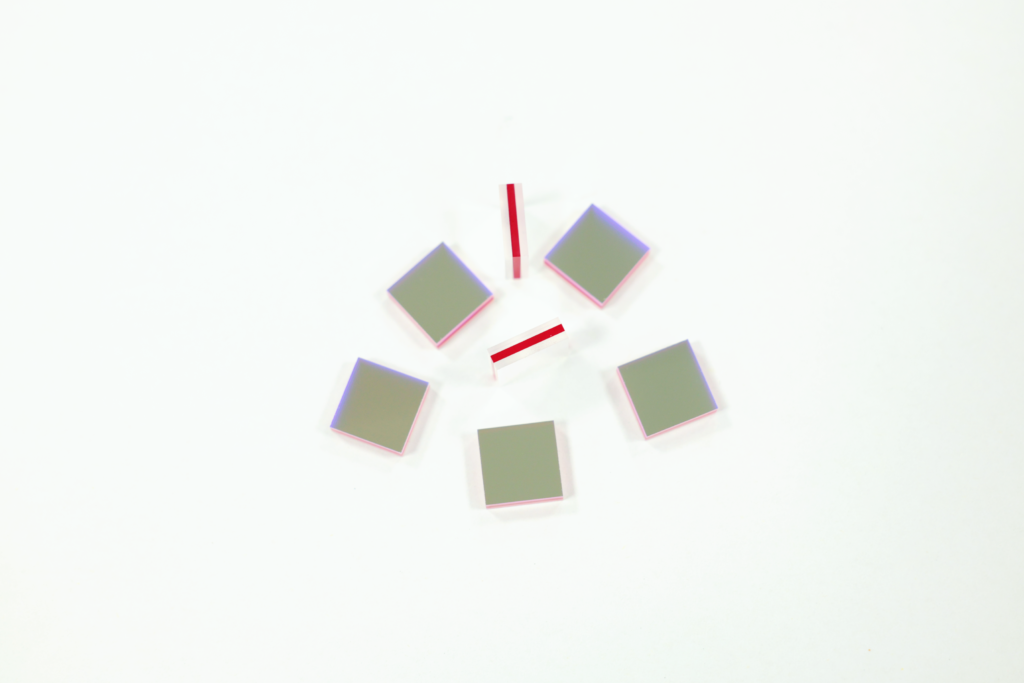
Remark:Because the interference type filter varies its performance at different angles, the spectral parameters usually determine its appearance color; moreover, the pictures in this link may originate from various shooting angles, so the actual color should therefore rely on the final spectral parameters required as the standard.