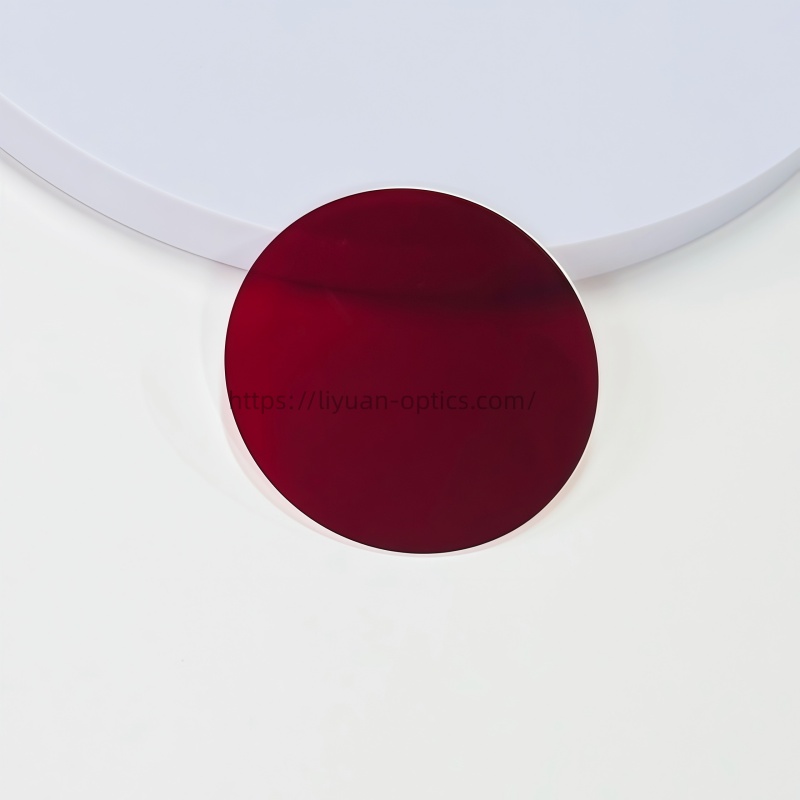
690nm Longpass Filter,LP690nm Long-wavelength pass Filter, Support customized

  • 690nm longpass filter

Product features

● Narrow transition zone slope less than 20nm transmission

●Precise cutoff wavelength

● High Transmittance & deep cut-off depth

● Surface Quality:60/40 scratch-dig

● High Environmental Stability

● Multiple substrates available

●Wide range of applications

Product Detail

 
Product Descriptions
Characteristics:690nm Longpass Filter
Type:Interference filter
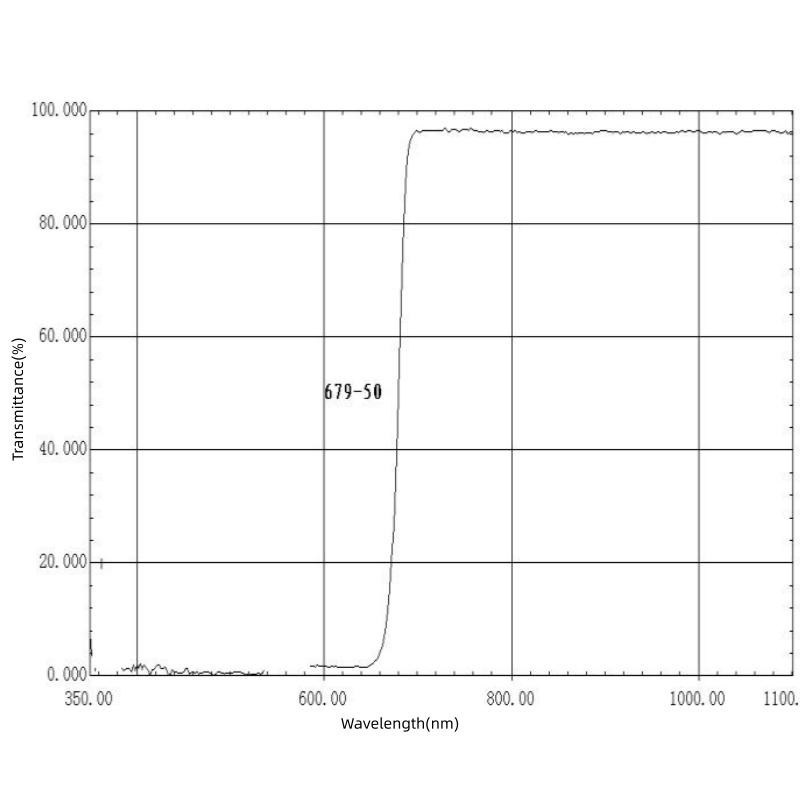
Cut-off  Wavelength(CWL):690nm ± 5nm
Average Transmittance(%) :>92%
Optical Density (OD):OD2
Shape:Round, Square or customized
Color:
Surface Quality:60/40 scratch-dig
Dimension(mm):Customized*
Thickness(mm):Customized**
Substrate:Optical Glass ***
Remark: Spectral range:350-1100nm*Size customized:  86x86mm, 80x80mm, other can customized, max. 300x300mm **Thickness available: 0.21、0.3、0.55、0.7、1.0、1.1、1.5、1.8、2.0、3.0mm, etc. *** Available for: Ultra-clear glass,K9,BK7,B270,D2637T, Quartz Glass(Fused Silica) or other specified material.
2. Measured Spectral curve
 

Picture 1: LP690nm Spectral Curve

3.What is typical application for 690nm longpass filter?
A 690nm longpass filter is an optical component that blocks light with wavelengths shorter than 690nm while transmitting red and near-infrared light with wavelengths longer than 690nm. The 730nm longpass filters are commonly used in following applications:
  • Fluorescence Microscopy Imaging: Serves as an emission filter in conjunction with near-infrared dyes such as Cy5.5, blocking excitation light below 690nm while transmitting only the target fluorescence signal, thereby improving signal-to-noise ratio and contrast.
  • Machine Vision: Eliminates ambient visible light interference, enhances contrast between targets and backgrounds, and improves detection accuracy and stability.
  • Security Surveillance: Enables day-night dual-use functionality. During daytime, it blocks visible light while allowing supplemental illumination imaging; at night, it efficiently transmits 750nm/850nm infrared light to ensure clear night vision images.
  • Medical Aesthetics: Used in IPL photorejuvenation and hair removal devices to filter out ultraviolet and harmful visible light while transmitting therapeutic near-infrared light above 690nm to penetrate deep skin layers.
  • Research and Others: In Raman spectroscopy, serves as an edge filter to block Rayleigh scattering light; in biometric recognition systems such as iris recognition and facial recognition, it captures clear infrared images for improved identification accuracy.
4.What is key parameter when choose for right Longpass Filter?

When selecting a Longpass Filter, normally the following factors need to be taken into consideration: 

  • Cut-Off Wavelength: it is one of the most important parameters, typically defined as the wavelength transmittance at 50% .
  • Average or Peak transmittance: usually average transmittance ≥90%, higher transmittance e.g. 92% or 95% on average or specific single point need to definite and communicate with manufacturer, higher transmittance need to additional AR coating.
  • Blocking rate: usually expressed in terms of optical density(OD), OD2-OD3 for standard and higher will be OD4-OD6 per requirement
  • Angle of Incidence (AOI): AOI need to be consider as Interference Filter is angle sensitive, 0° AOI  by default, other AOI e.g. 30/45° need to be specified.
  • Physical and environmental requirement: Substrate type, dimensions and thickness, surface quality, and environmental durability.
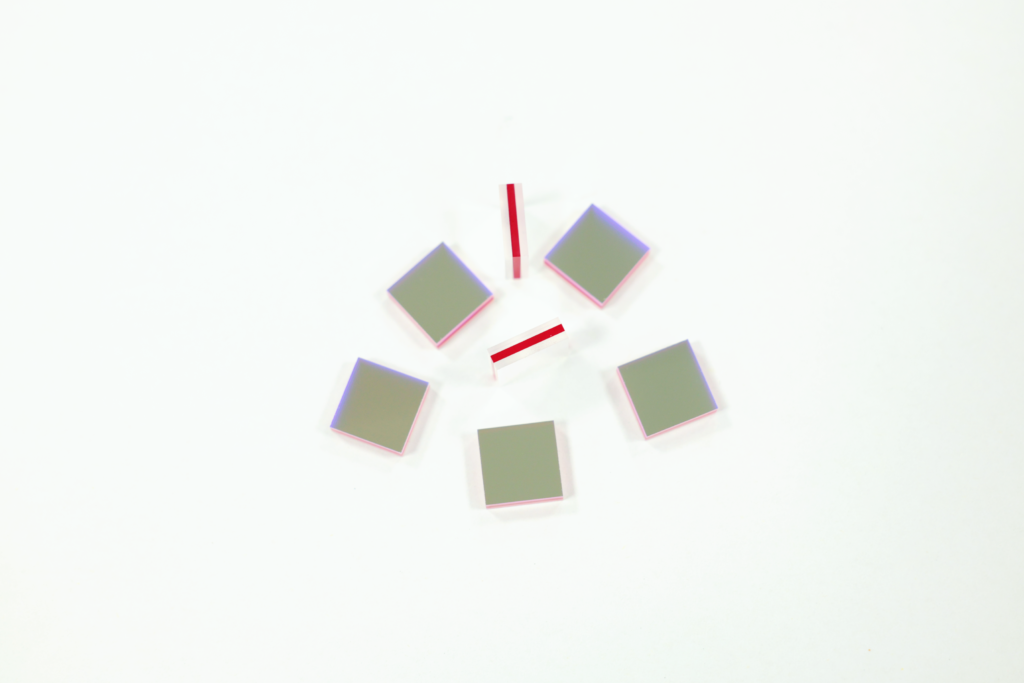
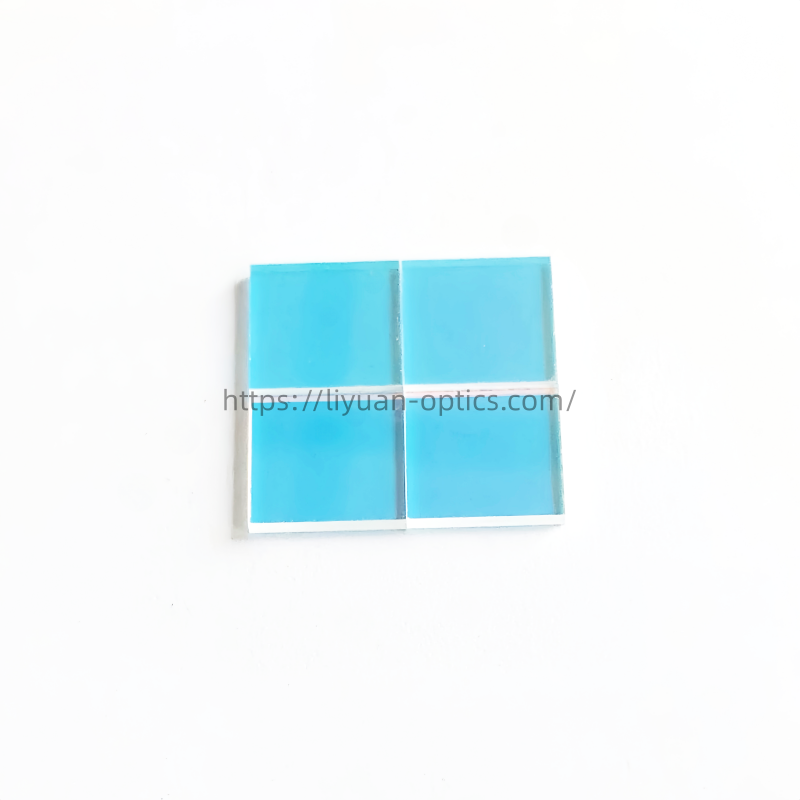
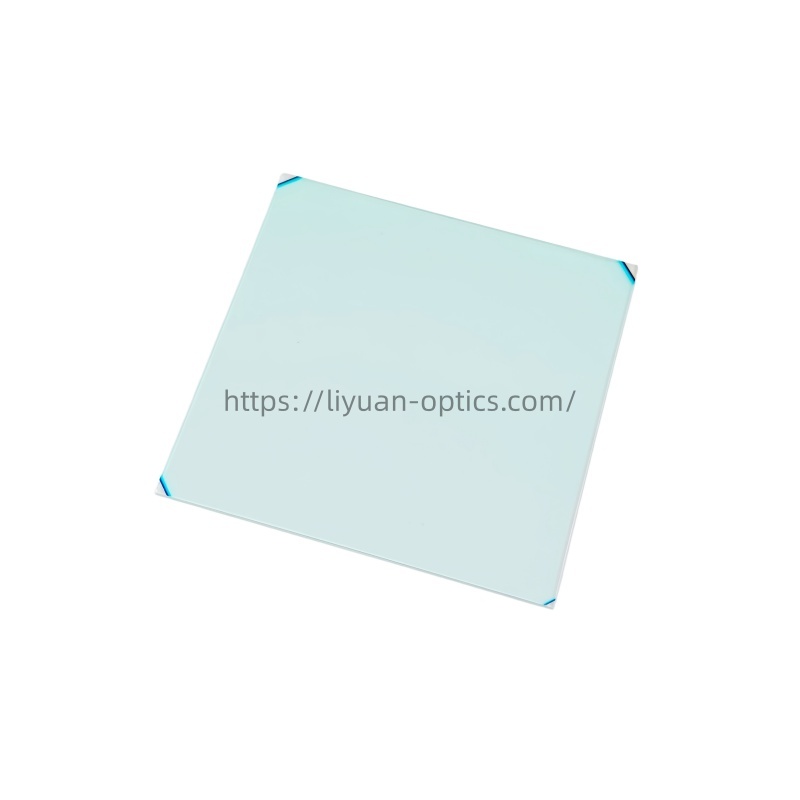
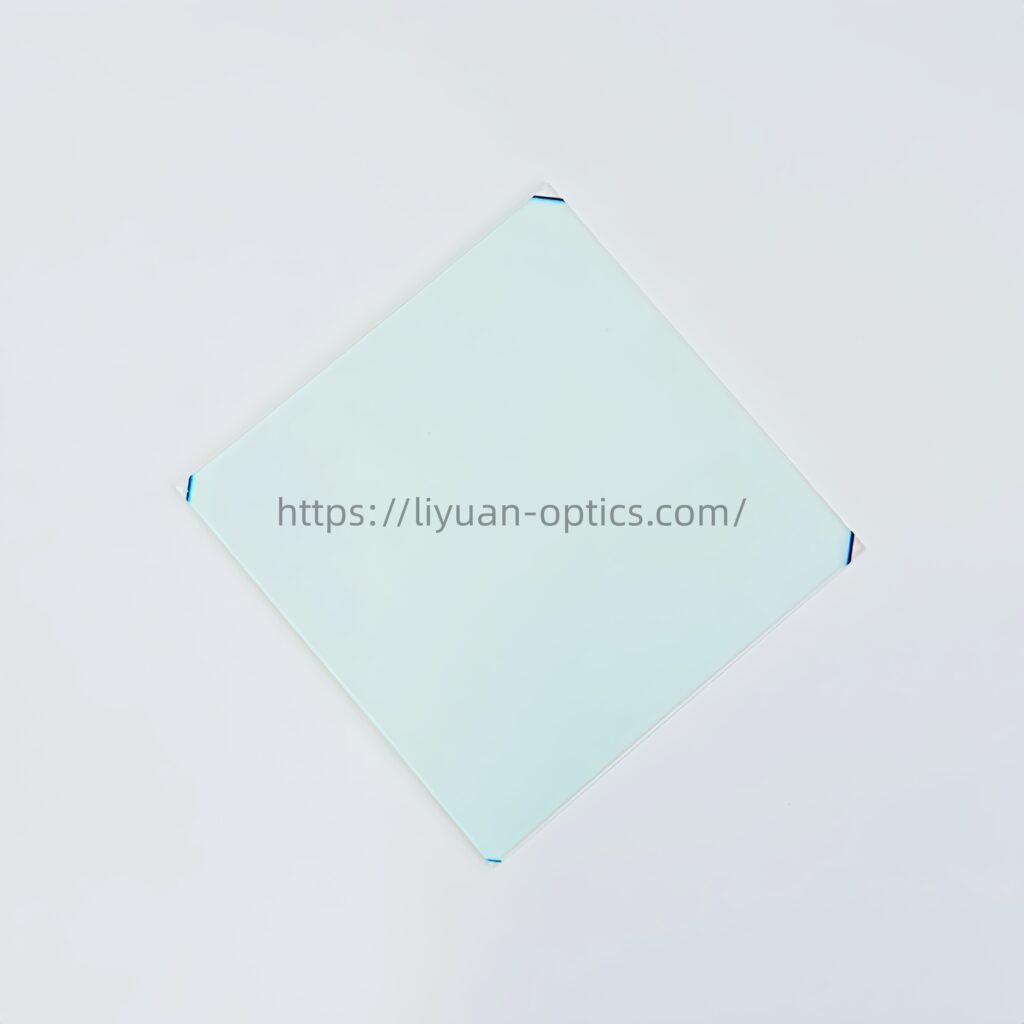
 Shenzhen Hengda Liyuan Optoelectronics introduced advanced optical vacuum technology that apply depositing nano-materials through ion-assisted evaporation onto a multilayer hard film in a high vacuum environment which coating layer is firm and has good tightness, and small bandwidth drift. Besides, Liyuan optoelectronics have been focus on optical coating for more than 17 years ,and the company offer one-stop optical filters solution including Narrow Bandpass Filters, IR cut-off Filters, Longpass Filters, Shortpass Filters, Notch Filters, ND filters, Star filters and Optical sapphire block.Remark: Because the interference type filter varies its performance at different angles, the spectral parameters usually determine its appearance color; moreover, the pictures in this link may originate from various shooting angles, so the actual color should therefore rely on the final spectral parameters required as the standard.

Leave Your Message

Related Products

error: Content is protected !!
Scroll to Top