

Optical filters shape processing involves turning a glass substrate into a specific size and geometry. Generally speaking, the common shapes of optical filters include square, round, elliptical, as well as irregular shape filters. In addition, the current mainstream processing techniques include laser cutting, precision blade dicing, optical profile machining, CNC engraving/milling, and grinding & polishing. Below are the key characteristics of each method:
Laser Dicing/Cutting
it use the non contact high energy laser beam to dice the glass. Typically, this processing method offers high cutting precision, minimal burrs, and smooth edges. For batch production, typical tolerance can reach ±0.03 mm. So,it is ideal for high‑precision applications and for producing diverse shapes such as small‑diameter round, elliptical, or trapezoidal filters.
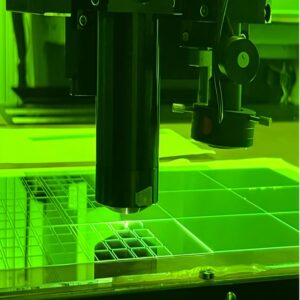 Picture 1: Laser Cutting process
Precision Blade Dicing
Employs a diamond blade for precision dicing. It is one of the most conventional and cost‑effective cutting processing method, well suited for high‑volume cutting of small rectangular or round filters where edge quality requirements are moderate.

Picture 2: Precision Blade Dicing process
Optical Profile Machining
Uses profile copying equipment or machine tools to convert square or other rough‑shaped blanks into exact final geometries like round, elliptical, or polygonal profiles. Batch production accuracy can reach ±0.1 mm, while small‑batch custom orders can achieve ±0.05 mm. This method is frequently used for mass production of irregular shaped filters.
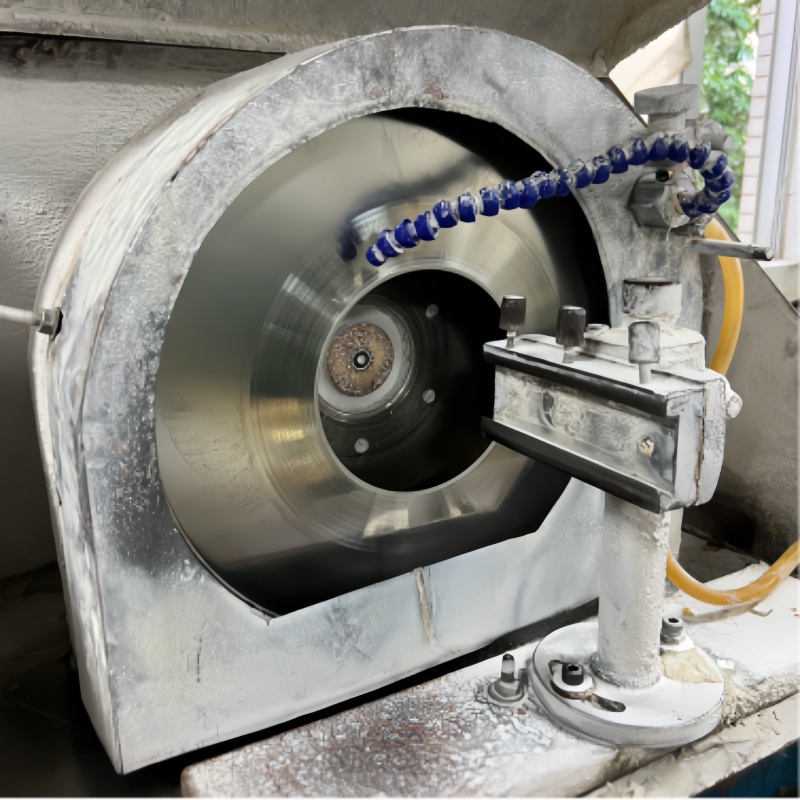
Picture 3: Optical Profile Machining process
Grinding
Utilizes abrasives and grinding plates to remove cutting marks and burrs, producing a flat surface. The process typically includes a coarse grinding step followed by a fine grinding stage to progressively improve surface quality.
Polishing
Employs finer polishing agents to achieve an extremely smooth surface, with figure accuracy down to λ/10. An optical‑grade surface roughness (Ra ≤ 1 μm) is critical to minimize light scattering.
CNC Engraving/Milling
Uses computer‑numerical‑control machine tools for high‑precision milling of complex contours. It offers broad applicability and high accuracy, generally achieving tolerances between ±0.2 mm and ±0.1 mm.
Other Specialized Methods
For example, D-Cut processing is used for ultra small-sized filters, g. 1*1mm, providing high precision but at a higher cost.
In summary, the choice of shape processing method for an optical filter depends primarily on the material, dimensions, accuracy requirements, shape complexity, and cost considerations for batch production. In practice, however, manufacturers often combine these methods rather than relying on a single technique. For instance, cutting first produces a rough blank, and then profile machining precisely shapes it to meet the final specifications.
The company has built a comprehensive optical filter shape processing capability that integrates precision laser processing, precision dicing saw cutting, optical profile machining, grinding, and polishing. To learn which processing method best suits your specific filter requirements, please contact our sales representatives.