
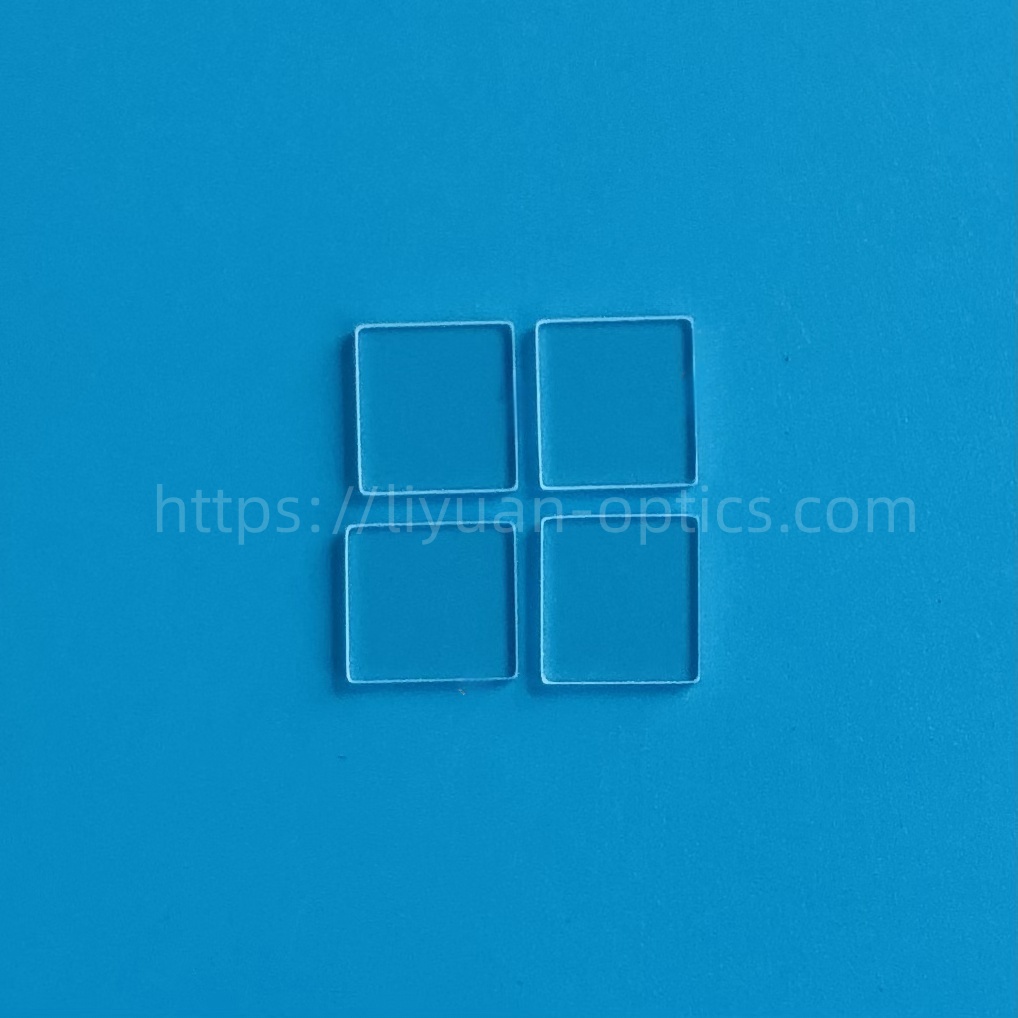
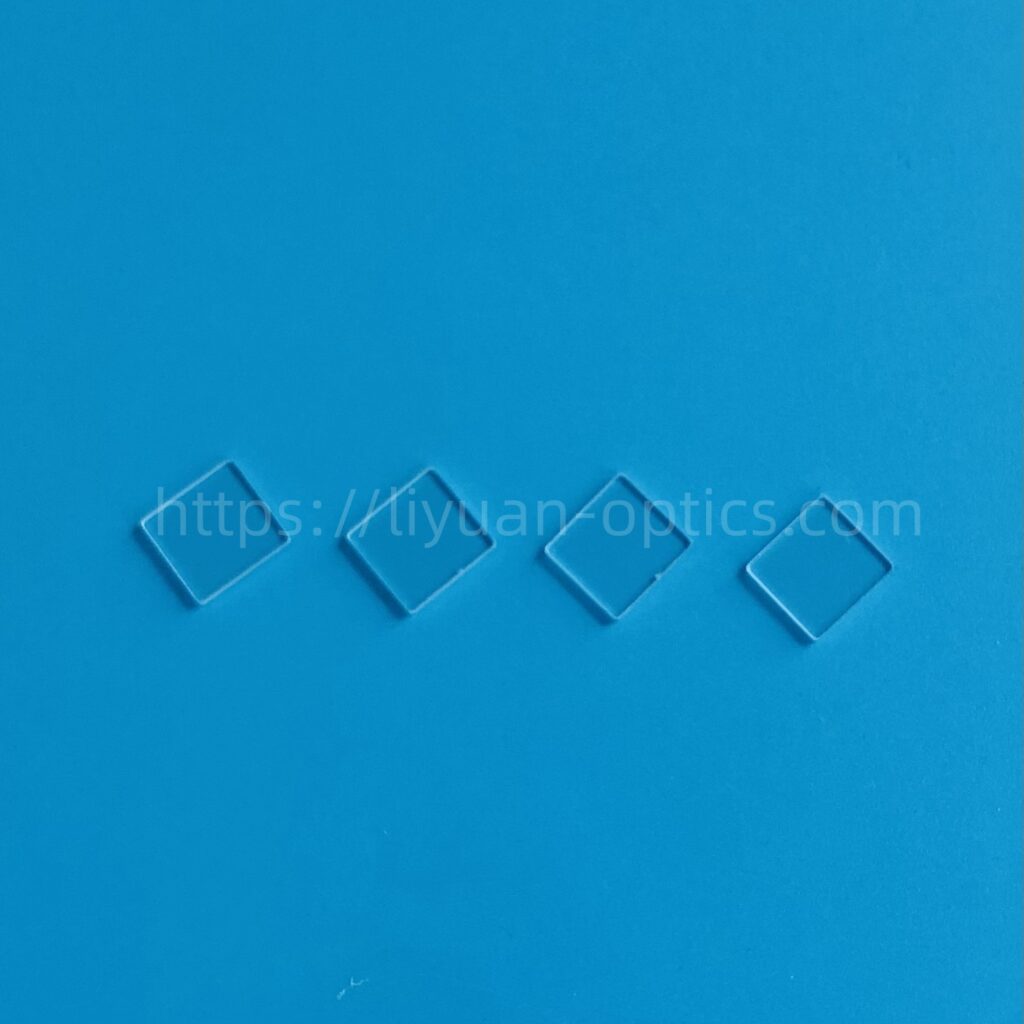
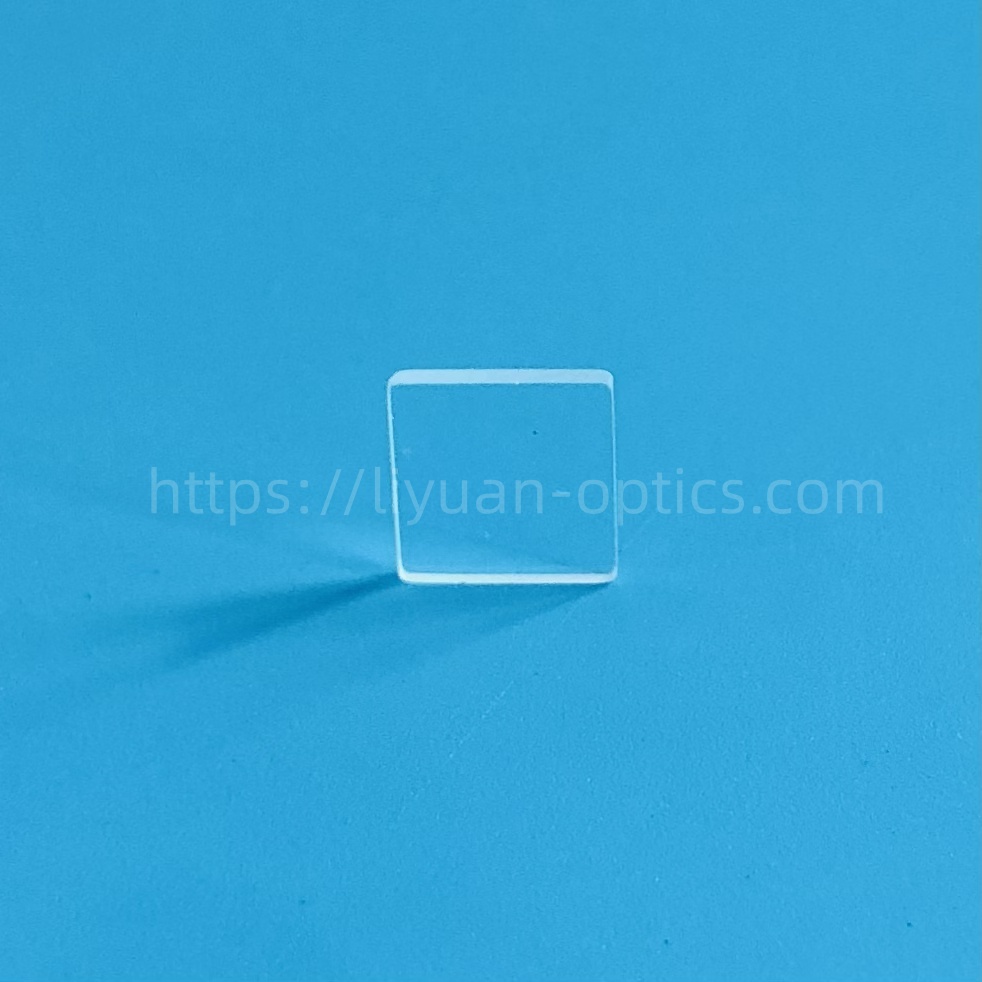
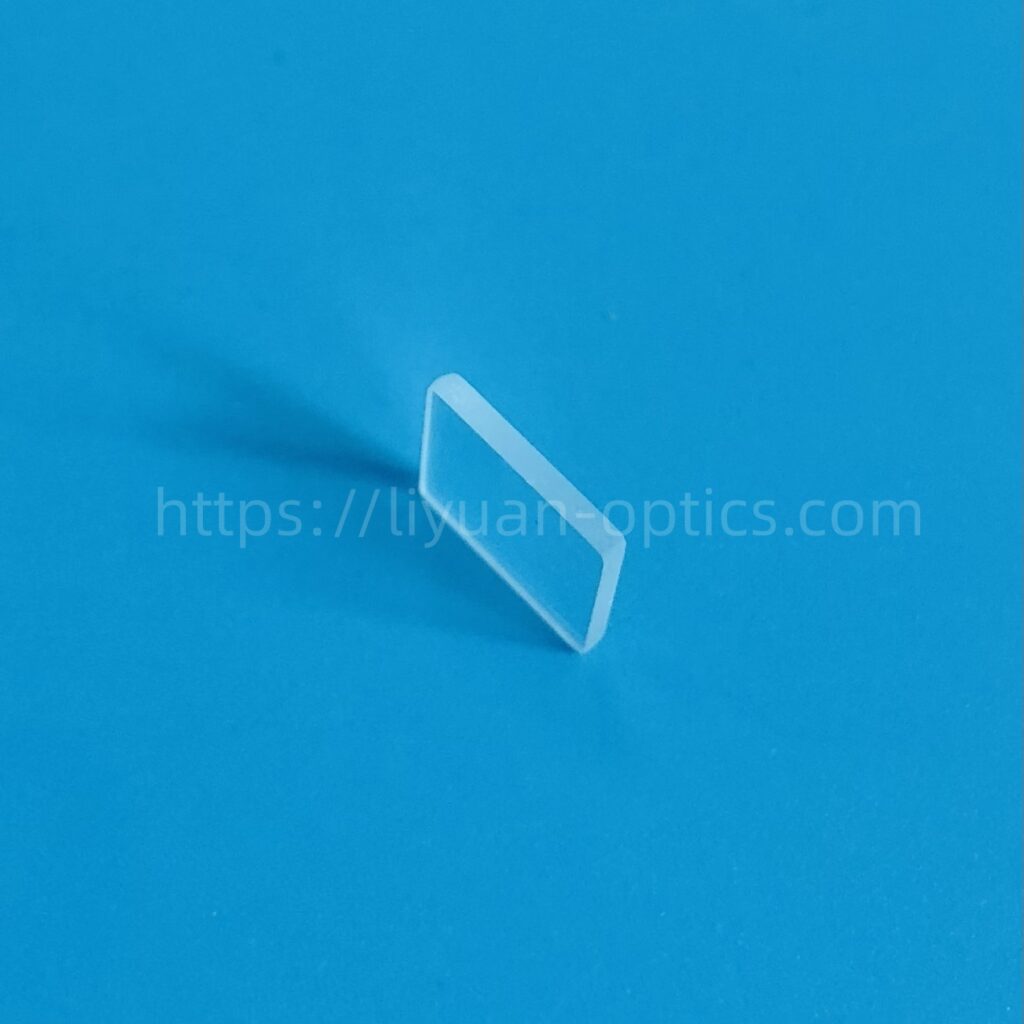


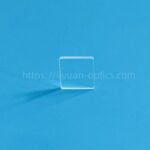
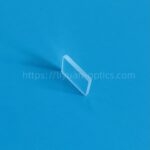
1.Product Descriptions :
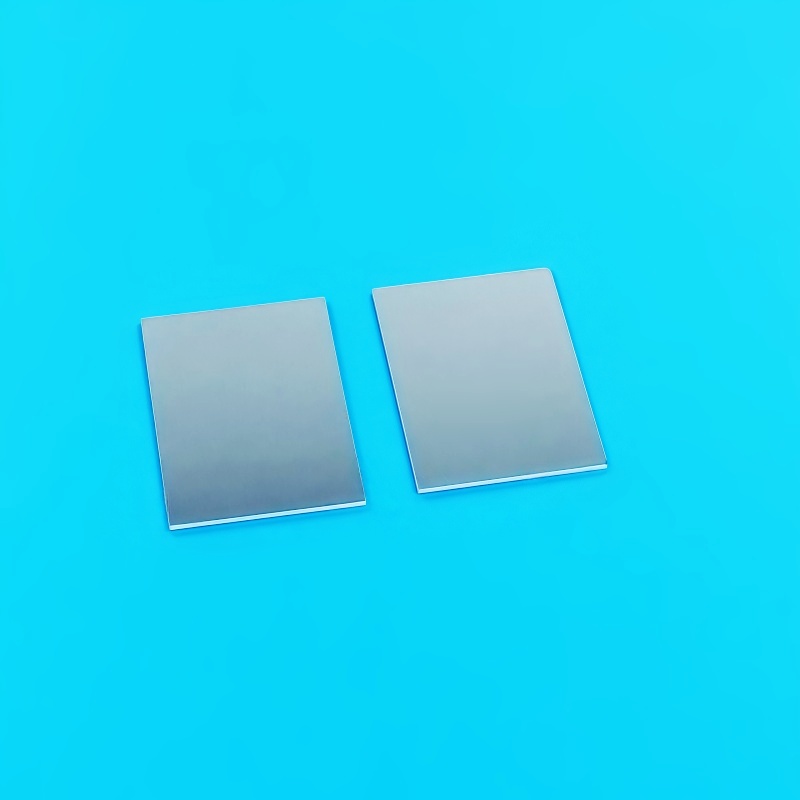
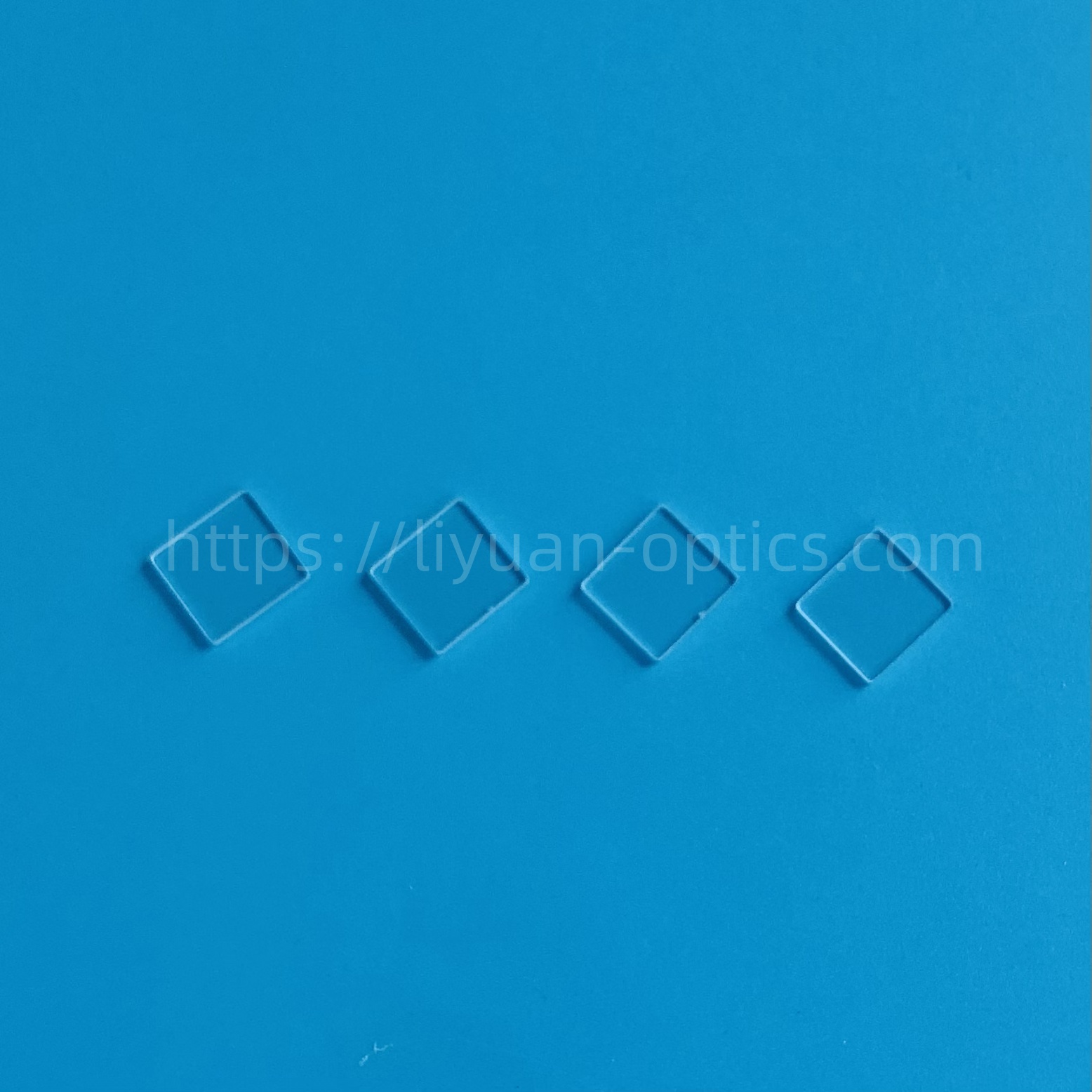
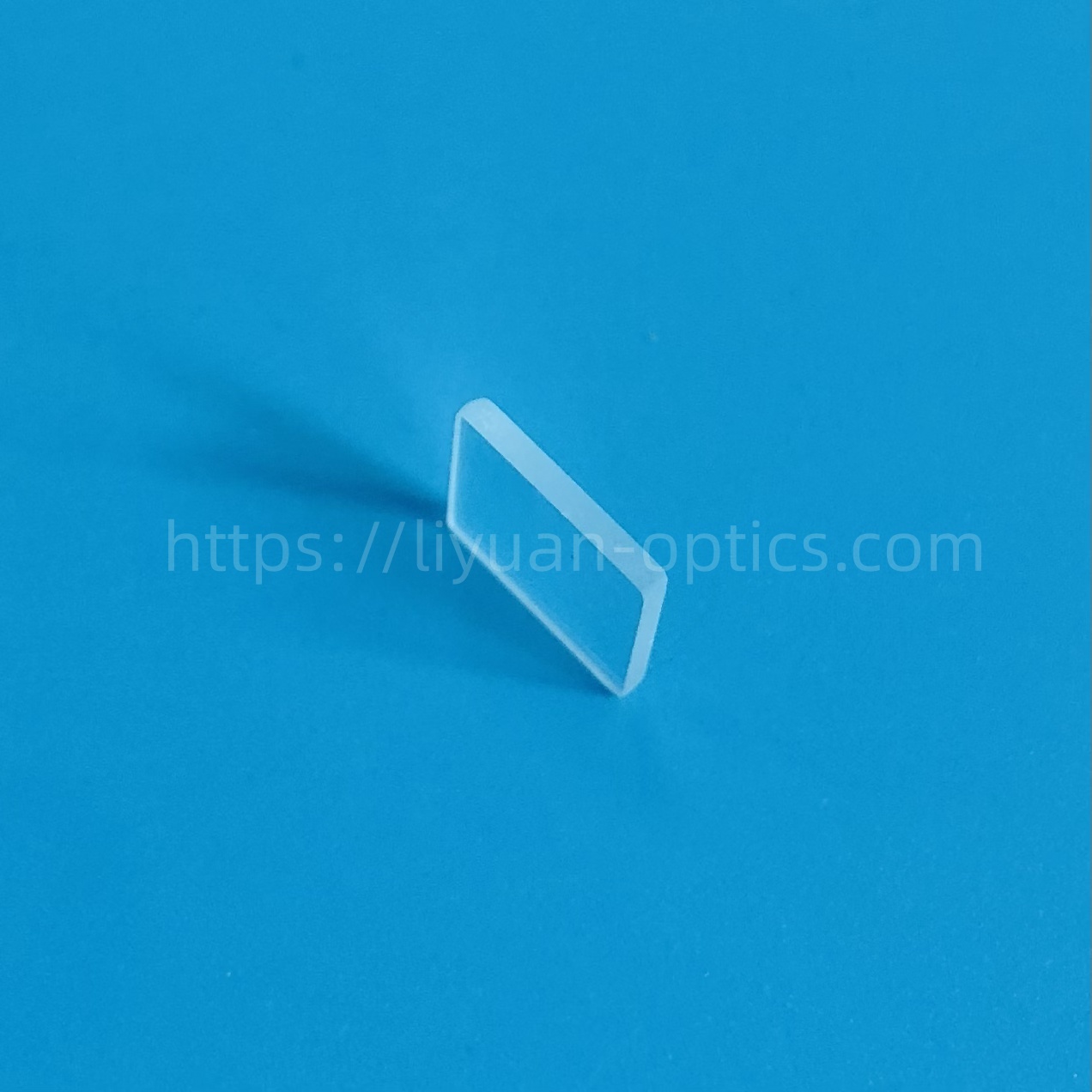
| Characteristics: | Optical glass |
| Materials: | Ultra-clear glass |
| Chemical composition | Soda-lime silicate glass |
| Peak Transmittance: | >91.5% , >99.5% with AR coating |
| Shape: | Square, round and customized |
| Dimension: | 8.8*8.8mm or customized |
| Thickness: | 1.0mm or customized |
| Remark: | Can do customization per requirement |
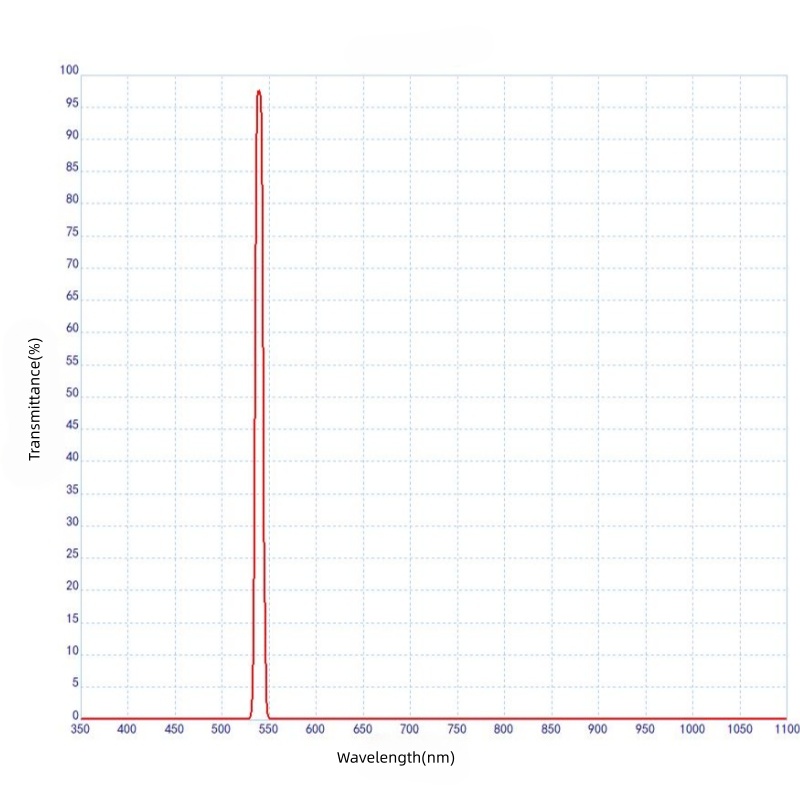
2. Measured Spectral curve
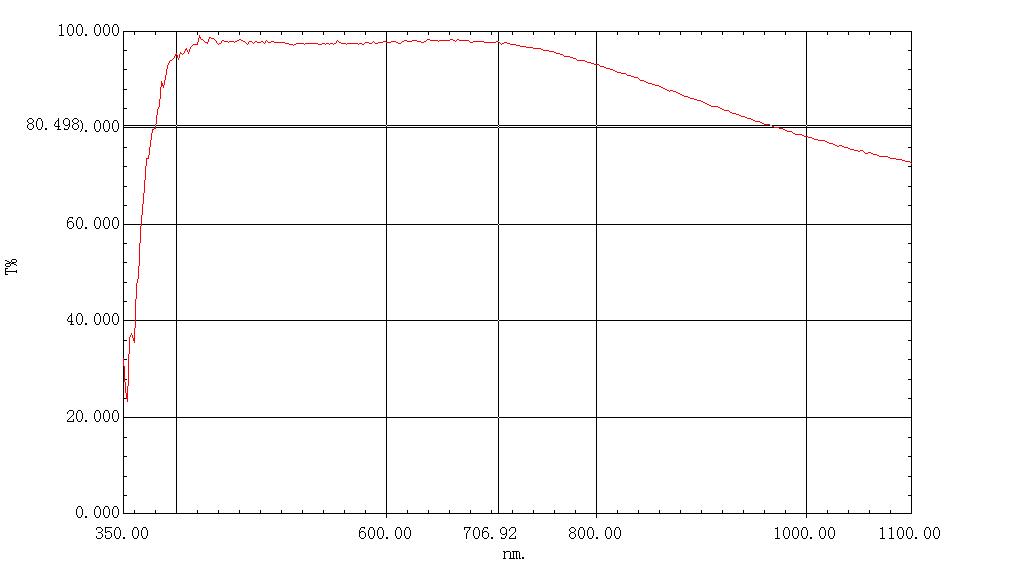 |
Picture 1: Optical glass with dual AR coating 400-700nm |
- Advantages: Ultra-clear glass achieves high light transmittance of over 91.5% and displays a color closer to true, colorless transparency. It also retains the processing capabilities of high-quality float glass, which allows manufacturers to apply various advanced processing techniques. This combination offers customers the highest cost-effectiveness.
- Disadvantages: Ultra-clear glass has high thermal conductivity, demonstrates poor thermal performance, and offers only average hardness. Therefore, when architects and engineers use it in building envelope structures, they must incorporate an energy-saving design. Furthermore, this glass typically carries a higher price than ordinary glass.
Various types of glass have different characteristics. Based on the specific requirements of the customer’s product, the most cost-effective raw material coating can be selected. Optical glass substrate in stock from Liyuan Optoelectronics:
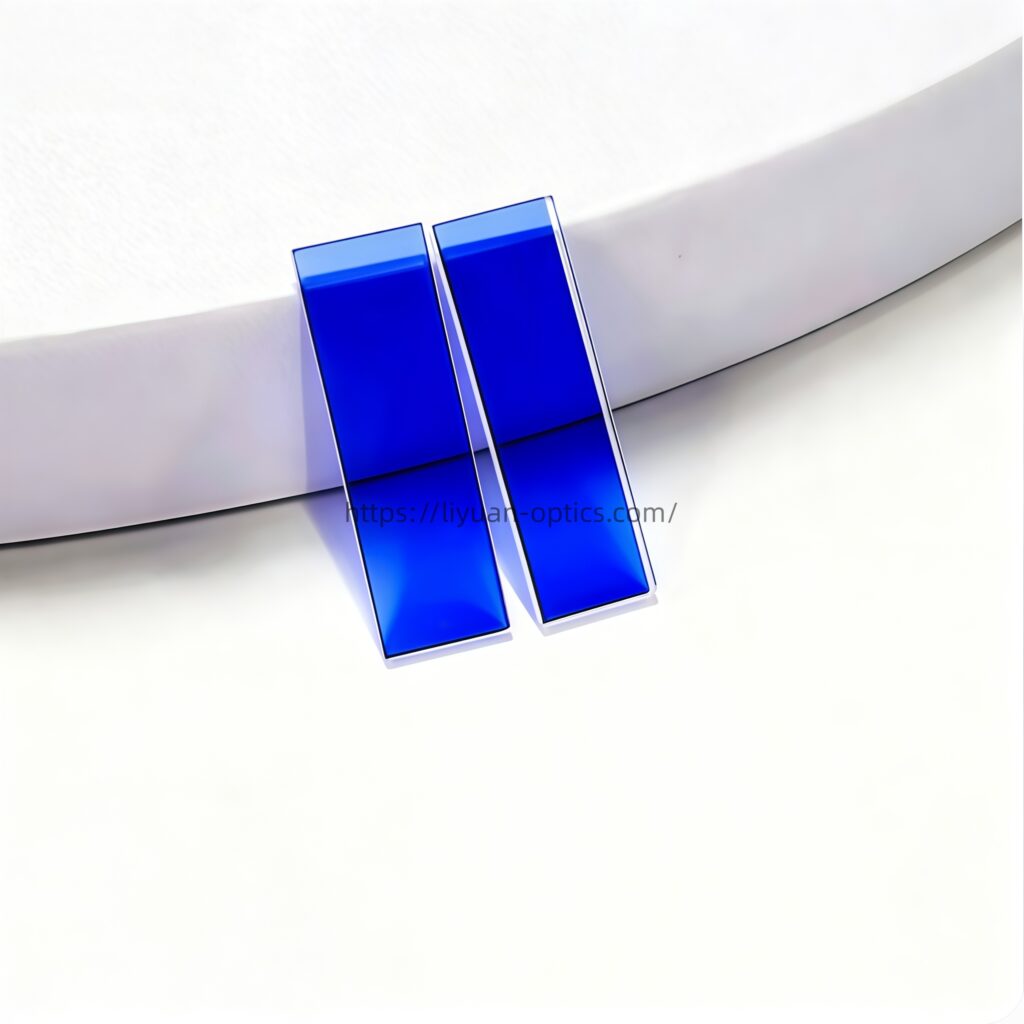
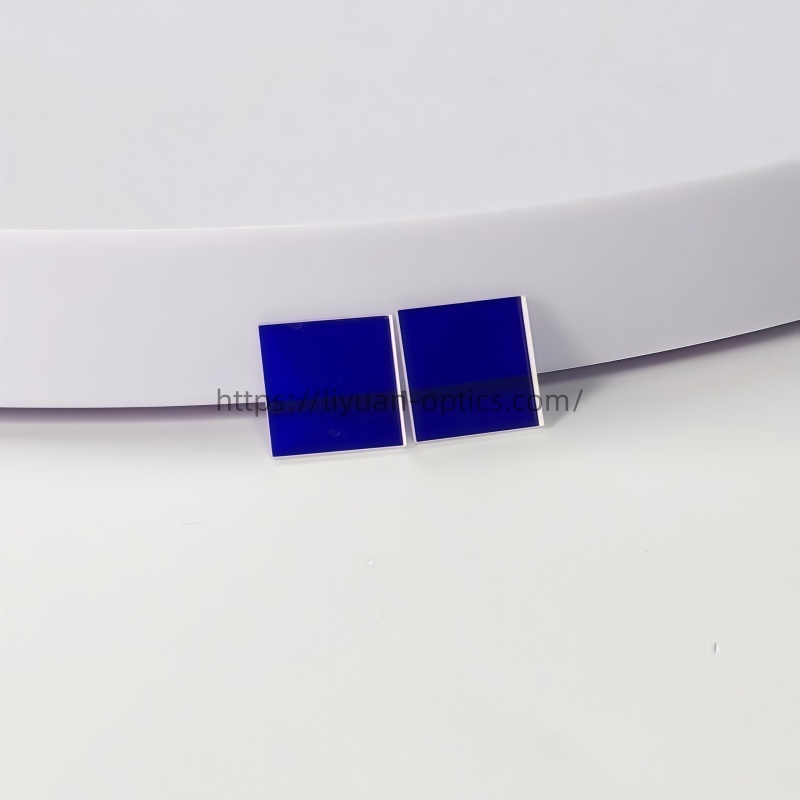
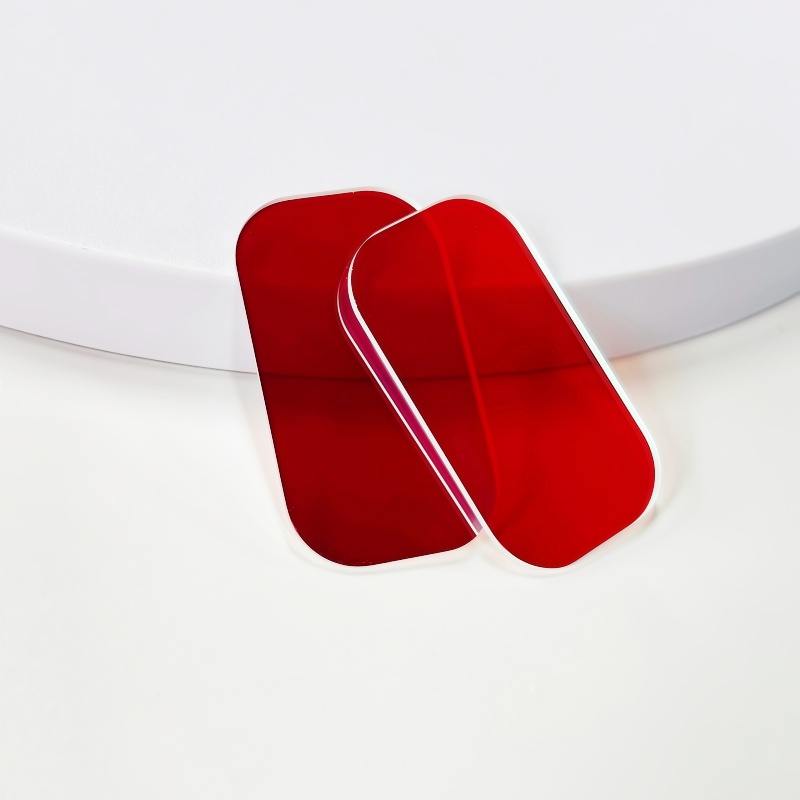
- Ultra-clear glass, quartz glass, Schott glass, Corning glass, K9 glass, sapphire, black glass, red glass, blue glass, etc.
- The thickness of the raw materials can be selected: 0.21, 0.3, 0.55, 0.7, 1.0, 1.1, 2.0, 3.0, etc.
4.What is typical application for Ultra-clear glass?
Typical application for Ultra-clear glass is very broad, include display and showcase glazing, architectural and interior design, furniture and appliances, lighting and technical applications, electronics…etc.